Tag: funders

THANK YOU TO OUR CORE AND UNRESTRICTED FUNDERS: CREATIVITY WITHOUT LIMITS

THANK YOU TO OUR CORE and unrestricted FUNDERS: CREATIVITY WITHOUT LIMITS

At Create, we believe that everyone – regardless of age, background or circumstance – should have access to the life-enhancing power of creativity.

Thanks to the generous support of our core and unrestricted funders, we were able to reach more people than ever in 2025/26 with high-quality, collaborative creative arts projects. This flexible funding is vital: it enables us to respond quickly to emerging needs, build trusted partnerships, and co-design programmes with communities. It also underpins the essential costs of running a resilient organisation, supporting our artists, maintaining quality and ensuring projects are accessible, inclusive and impactful.

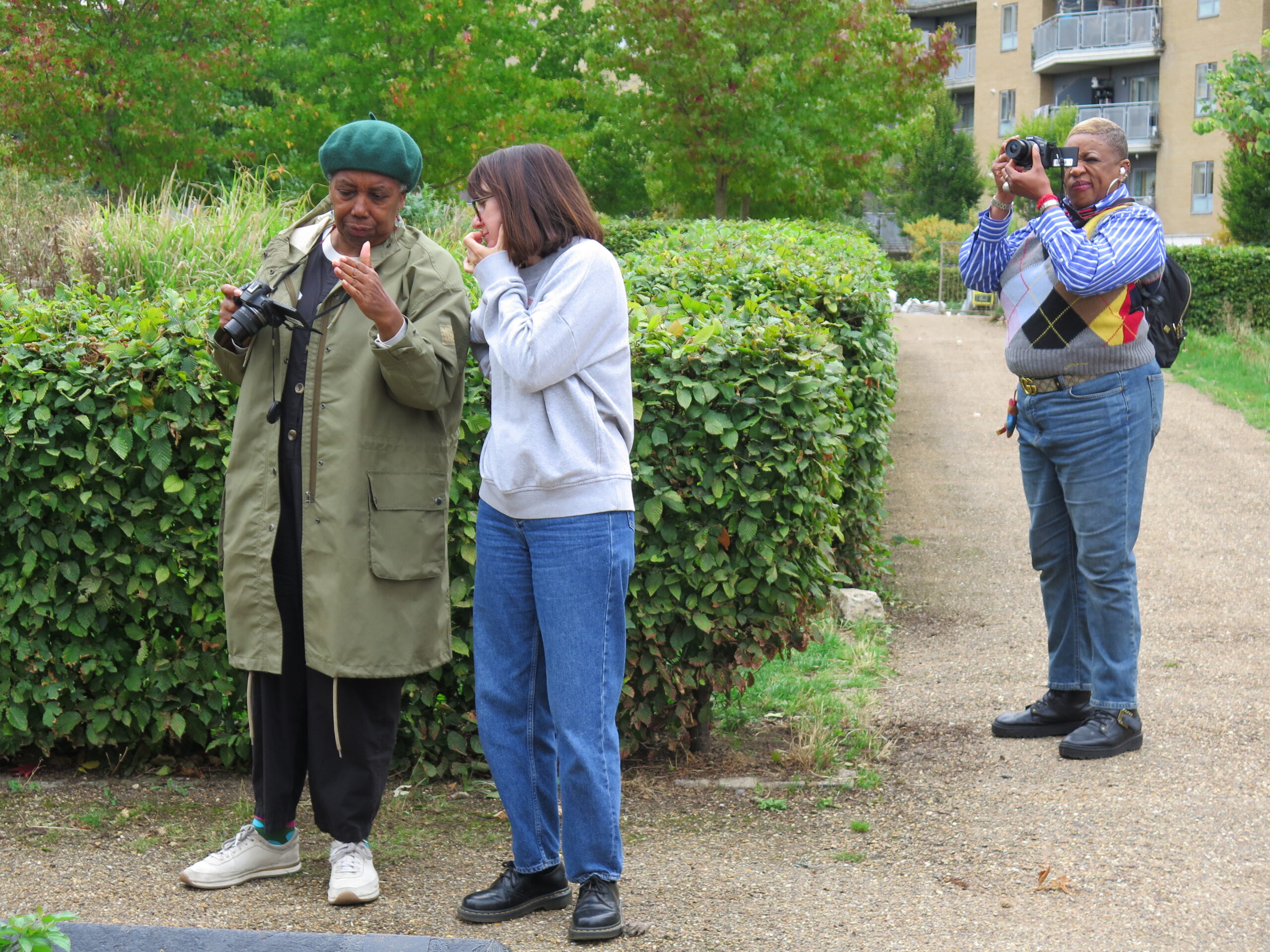
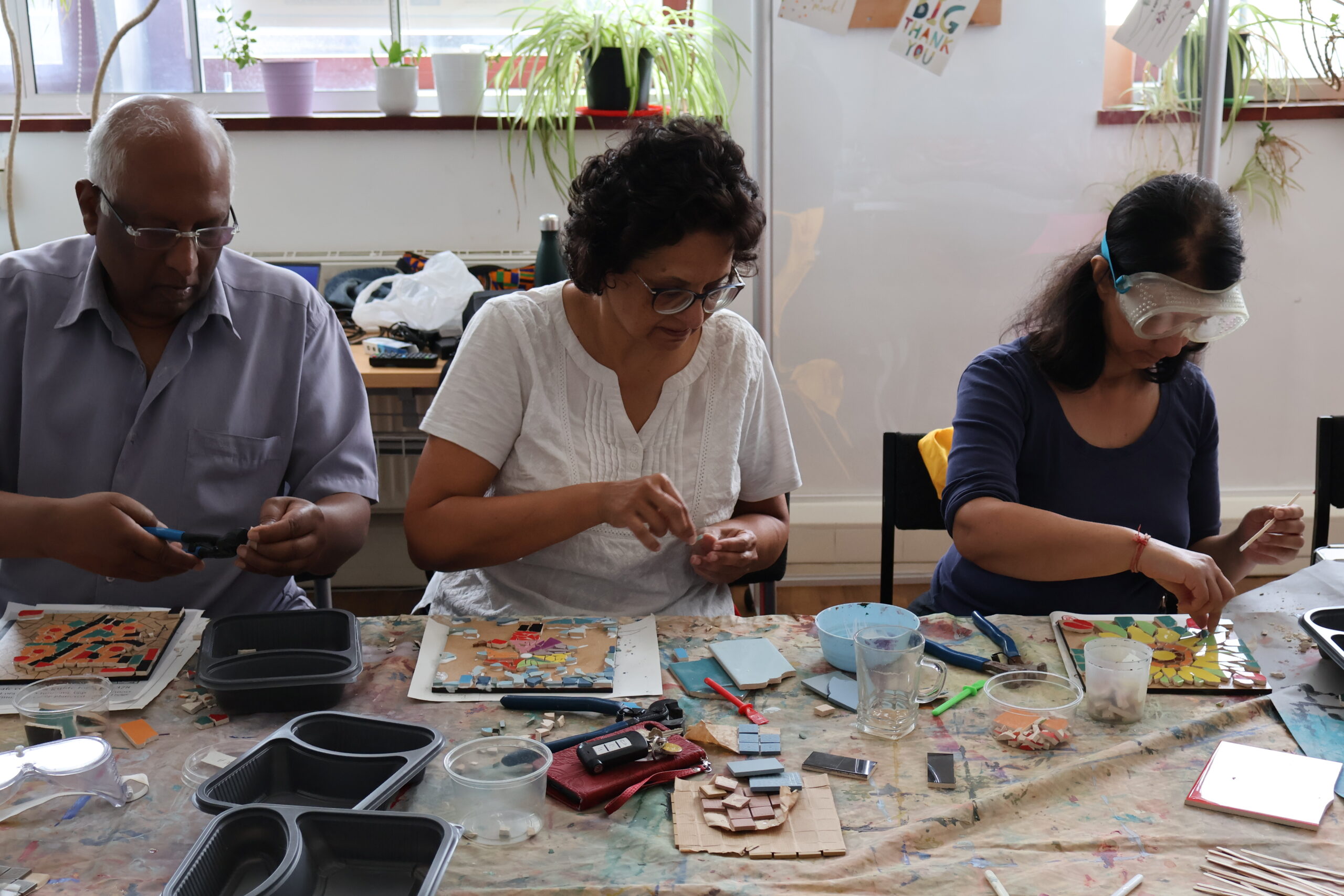
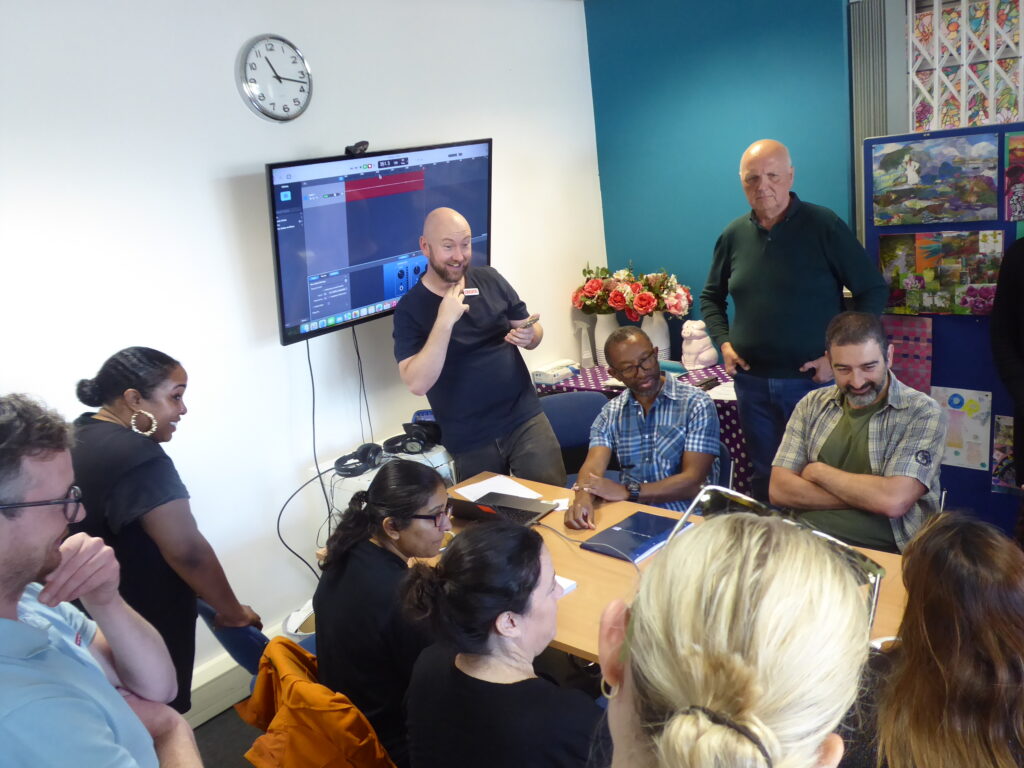
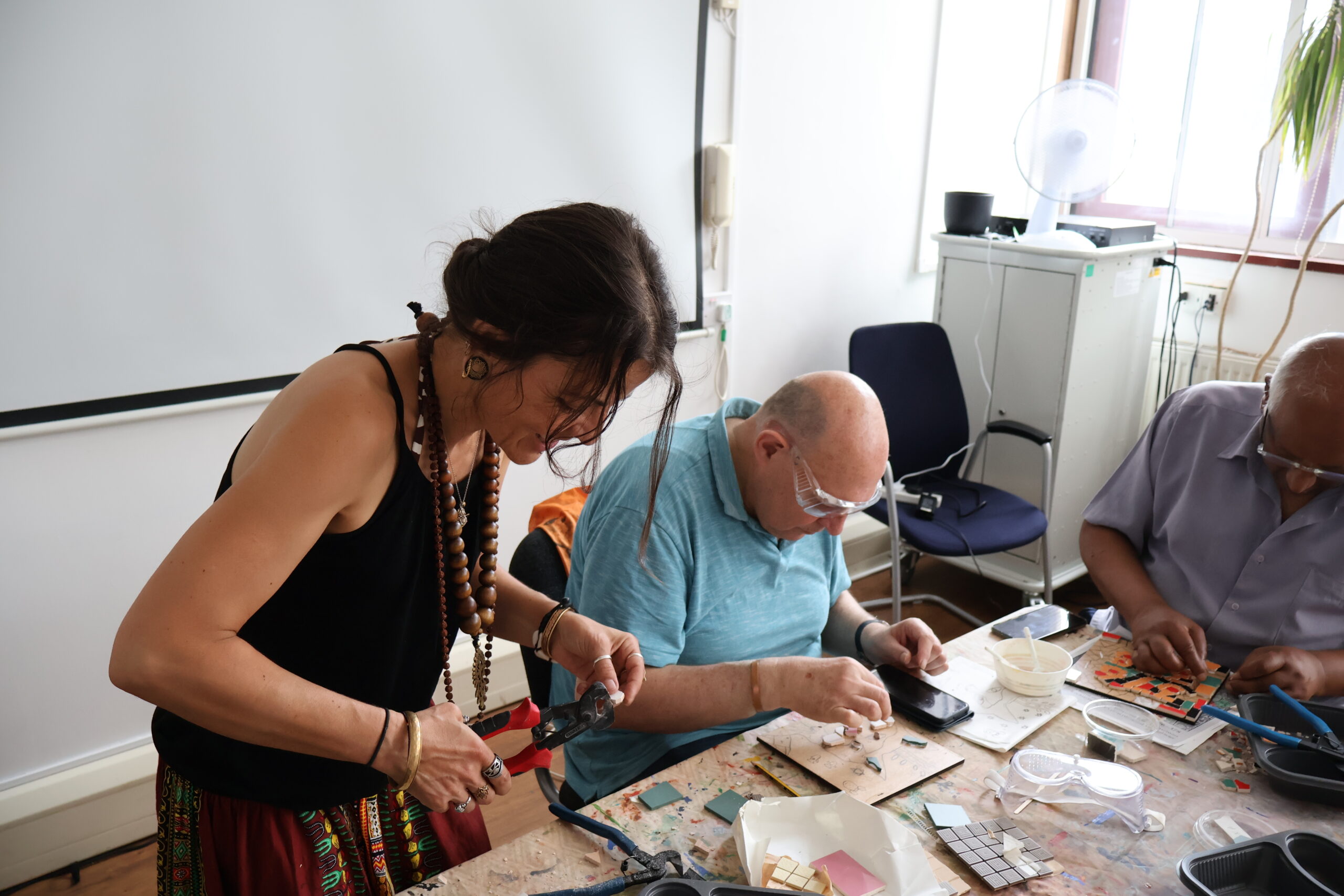
Across the year, we ran 96 projects, delivered over 1,355 workshops and engaged 2,500 participants facing significant barriers to accessing creativity – from young carers and children in care, to people with disabilities and older adults experiencing isolation.

A CREATIVE RESPONSE TO INEQUALITY

60% of our participants were eligible for free school meals, more than double the national average. Nearly half were from the global majority, 50% had special educational needs and 17% spoke English as an additional language. These figures reflect our commitment to reaching the most marginalised groups in our society.

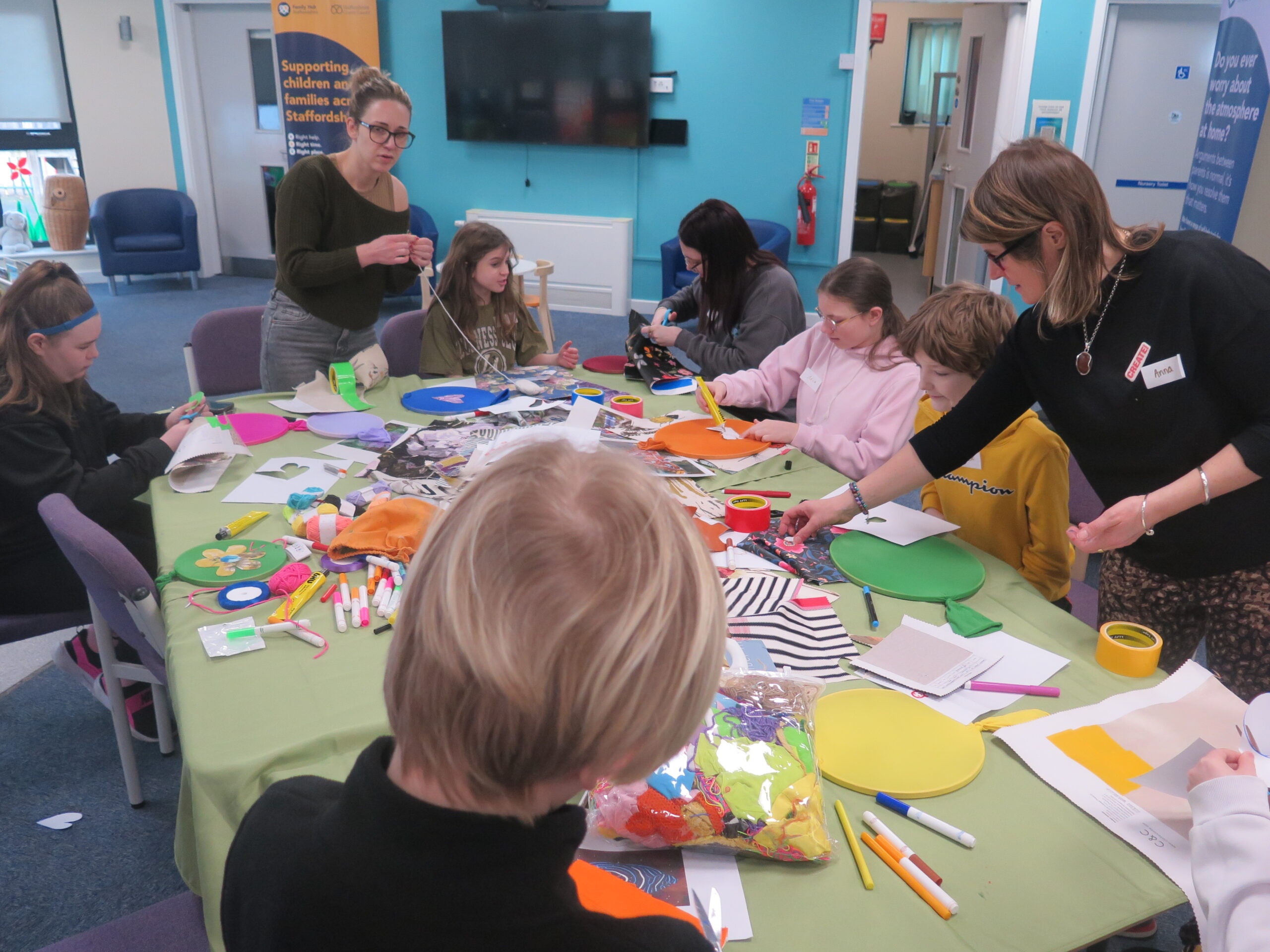
In every workshop, participants explored their creativity in new ways, built meaningful connections and developed vital life skills – all while being supported by our team of professional artists.

REAL IMPACT

The outcomes of this work were powerful:

  • 99% of participants reported learning something new
  • 96% said their wellbeing had improved
  • 95% felt more confident and 96% felt more connected to others
  • 96% said they enjoyed the project they took part in
  • 99% of community partners said that their programmes were enhanced by our projects

These numbers only tell part of the story. Behind every statistic is a person who discovered their voice through creativity – like this adult carer from Harrow:

“Since the workshop, I’ve noticed a real shift in my wellbeing – [I’m] more balanced, more focused and definitely more energised. It’s like something clicked into place.”

Participant, creative:voices, Harrow

Or this young carer from our Southwark dance project:

“[This project] gave me the confidence to speak to people.” – Participant, art:space, Cambridge

Thank you

Unrestricted, core support from our funders makes this work possible. With their backing, we’re not only increasing access to creativity – we’re changing lives. Whether through painting, dance, photography, drama or music, our workshops help participants to build confidence, improve wellbeing and feel seen, valued and heard.

To our core funders, including those who prefer to remain anonymous – thank you. Your commitment to creativity, inclusion and impact is helping us build a fairer, more connected society. We are so grateful for your partnership and support.

In 2025/26 we received core or unrestricted funding from:

Aesop Foundation, Brown Forman, CA Redfern Charitable Foundation, Chesterhill Charitable Trust, David and Ruth Lewis Family Charitable Trust, The Finborough Foundation, The Linbury Trust, London Graphic Centre, Q Charitable Trust, The Rory and Elizabeth Brooks Foundation, Unethical and White Stuff.

DONATE TO CREATE

£
Select Payment Method
Personal Info

Credit Card Info
This is a secure SSL encrypted payment.
Billing Details

Donation Total: £25.00

MEET ZAINAB – A CREATIVE:TANDEM PARTICIPANT

MEET ZAINAB – A CREATIVE:TANDEM PARTICIPANT

Mental ill health in young people can take many forms including eating disorders, OCD, psychosis and severe emotional distress. Conversations around mental health often focus on anxiety and depression, overlooking the complexity of many young people’s experiences.

According to NHS England, around one in five children and young people aged 8-25 are now estimated to have a probable mental health disorder. For those admitted to inpatient mental health services, being away from home and friends can have a huge impact on confidence and wellbeing.

Create’s creative:tandem programme works with children and young people admitted to mental health units due to serious conditions, providing them with opportunities for self-expression, creativity and connection through the arts.

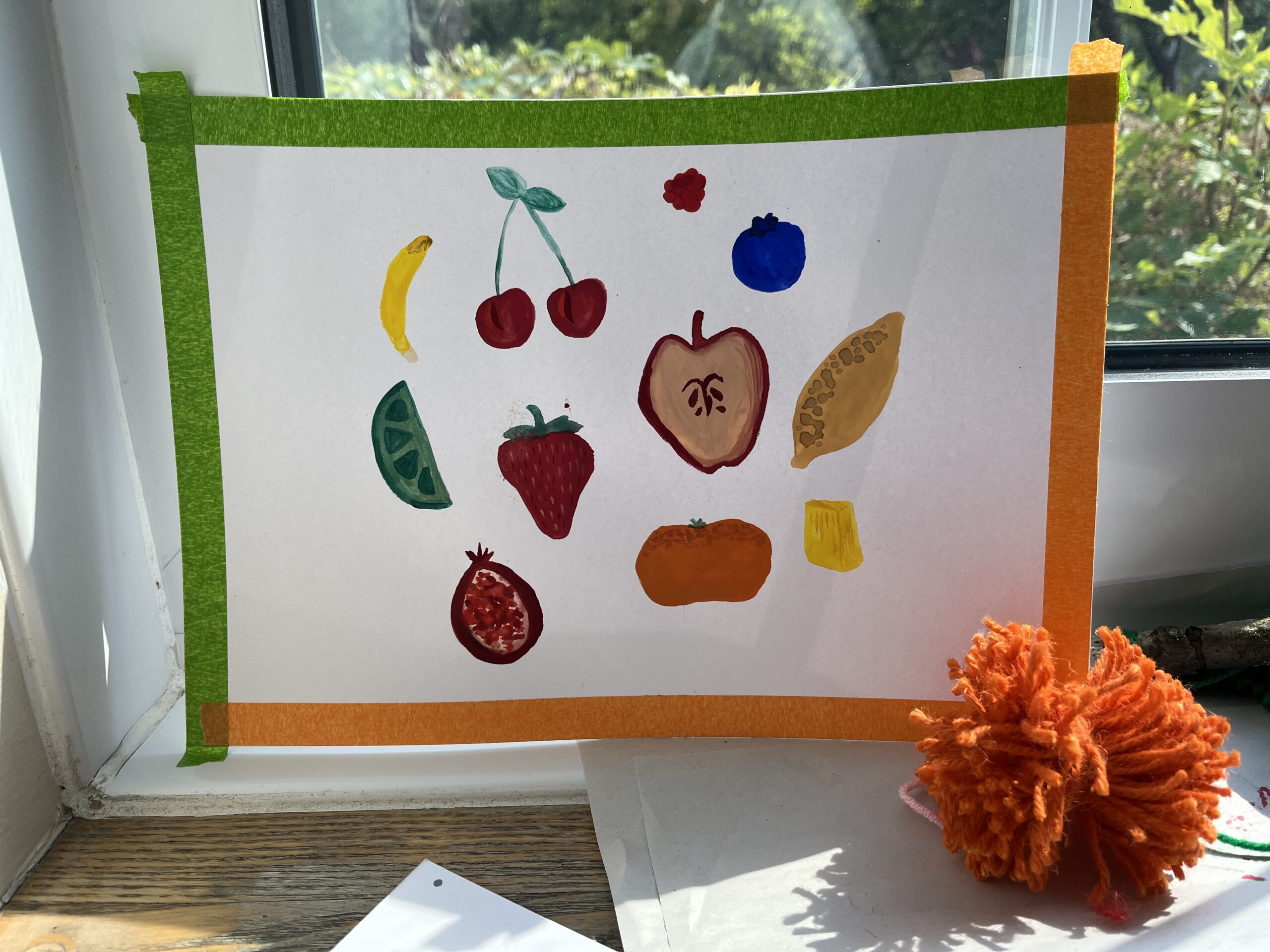
Colourful paintings of fruit on a piece of white paper with green and orange masking tape bordering the paper. Taken at a creative:tandem project

Losing your sense of self

Zainab* (14) took part in visual art workshops at the SLAM Bethlem Adolescent Unit, an inpatient service supporting young people with a range of mental health challenges including eating disorders, OCD and psychosis.

She described how mental illness affected her confidence and ability to engage with the things she once enjoyed:

“I’ve been in SLAM Bethlem Adolescent Unit for three to four months. My mental illness has stopped me from speaking up or participating in things I enjoy. You get cut off from your hobbies when you’re unwell.”

For many young people experiencing severe mental ill health, this loss of identity and routine can be deeply isolating.

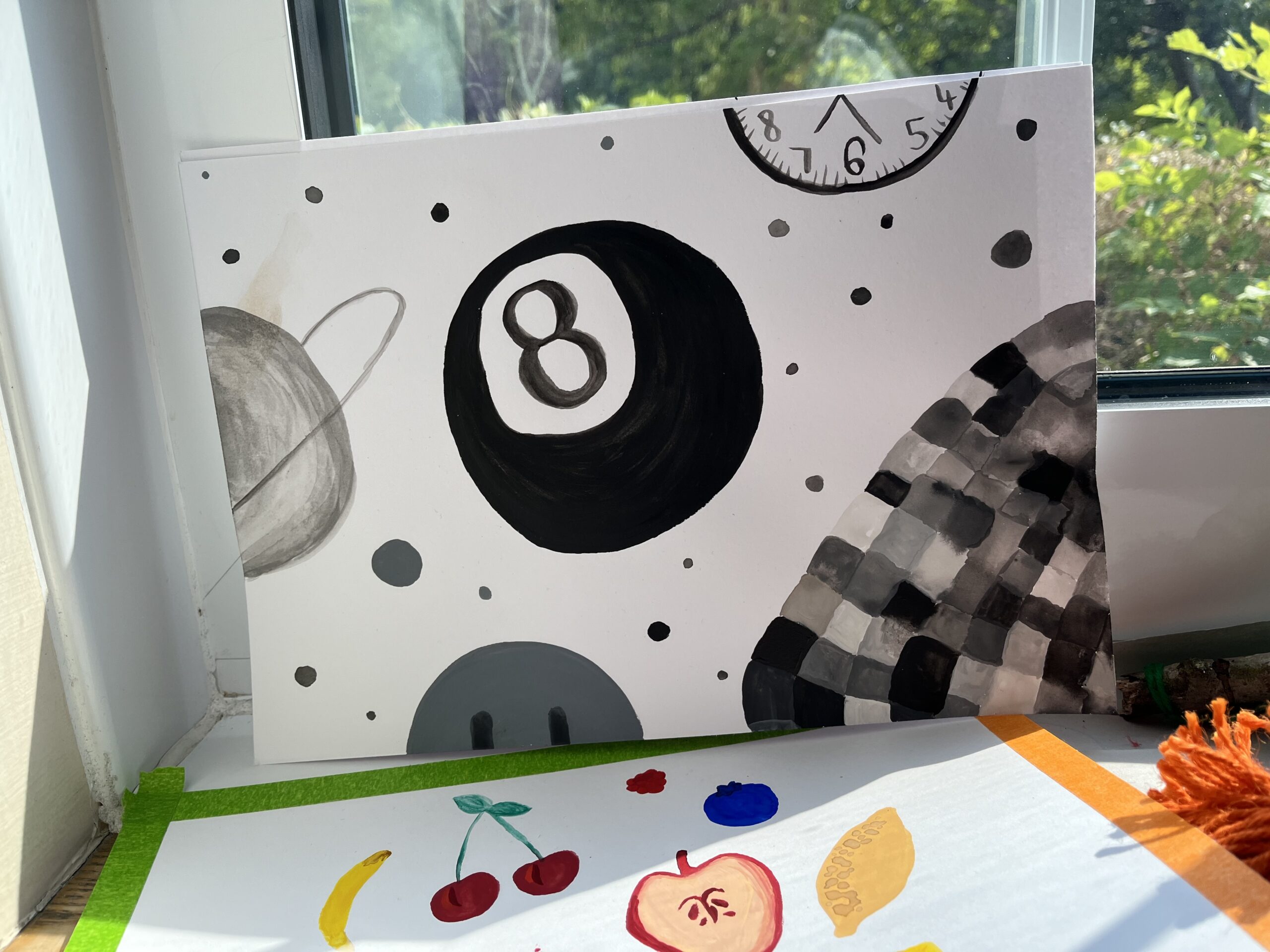
A black and white ink painting on a piece of paper that depicts an 8 snooker ball, and other graphics, taken at a creative:tandem project.

Finding freedom through creativity

During the project, participants explored collage, painting and clay work with Create artist Renata Minoldo.

“On this project we’ve been making collages with different materials, painting and building with clay. The collages were my favourite. I used pieces of text, flowers and butterflies on top of different wallpaper designs, and that looked really pretty. It felt nice to put the piece on my wall.” 

For Zainab, creativity became a way to feel calmer and more open:

“Creativity is good for your mental health. makes you feel more free and relaxed. And it broadens your mind.” 

Getting to know that artistic side of yourself can be very freeing.

Zainab, creative:tandem

Research increasingly supports the link between creativity and wellbeing. The World Health Organization’s Collaborating Centre for Arts & Health, directed by Daisy Fancourt, has highlighted evidence that arts engagement can support mental health, reduce stress and anxiety, improve social connection and even help reduce pressure on health services.

The importance of making together

As well as supporting self-expression, group creative activities can help reduce feelings of isolation by encouraging conversation, collaboration and shared experiences:

“We’ve been talking to each other, sharing our ideas, our artwork and finding inspiration.”

For young people in inpatient settings, opportunities for meaningful social interaction can be limited. Zainab explained why projects like creative:tandem are so valuable:

“This project is really good for patients, because there’s not much stuff going on in the ward.  Group activities like these can be helpful and they boost your mental wellbeing. ”

You can focus on an art project and really lose yourself in it. And I think that being able to lose yourself is a wonderful thing.

Zainab, creative:tandem

Why this work matters

Mental wellbeing is about far more than the absence of illness. It is about connection, confidence, identity and feeling able to participate in life.

Through projects like creative:tandem, young people experiencing significant mental ill health are given space to express themselves creatively, connect with others and rediscover parts of themselves beyond their illness.

*Name changed to protect anonymity

Thank you to London Freemasons’ Charity and Prudence Trust for funding this project.

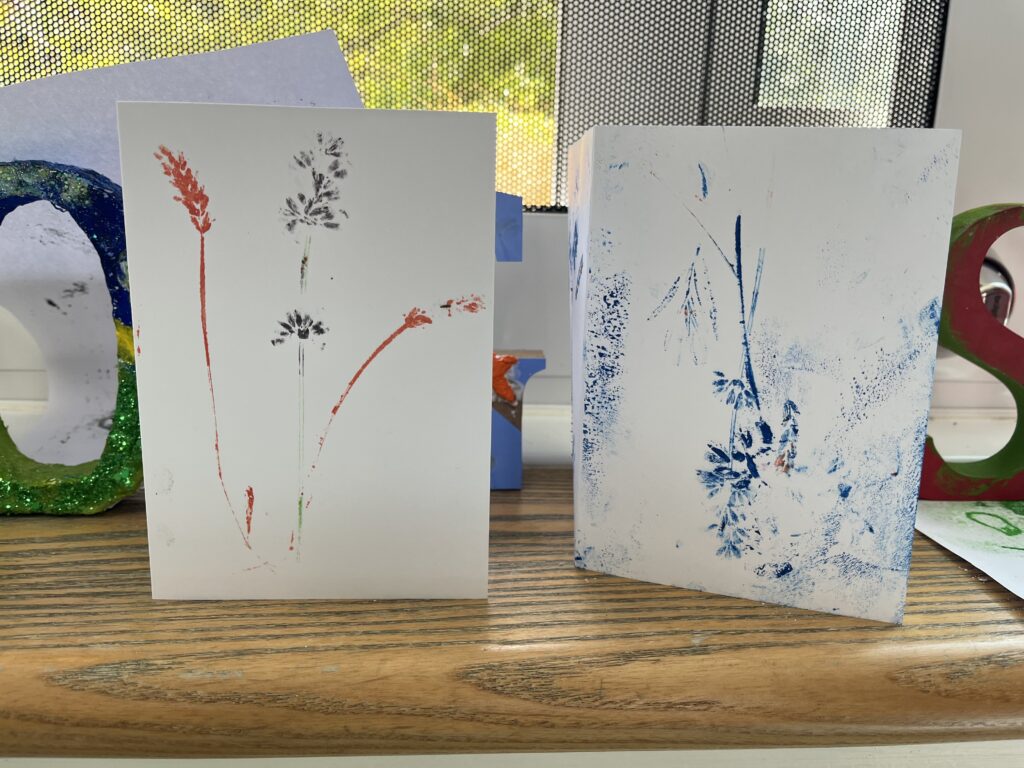
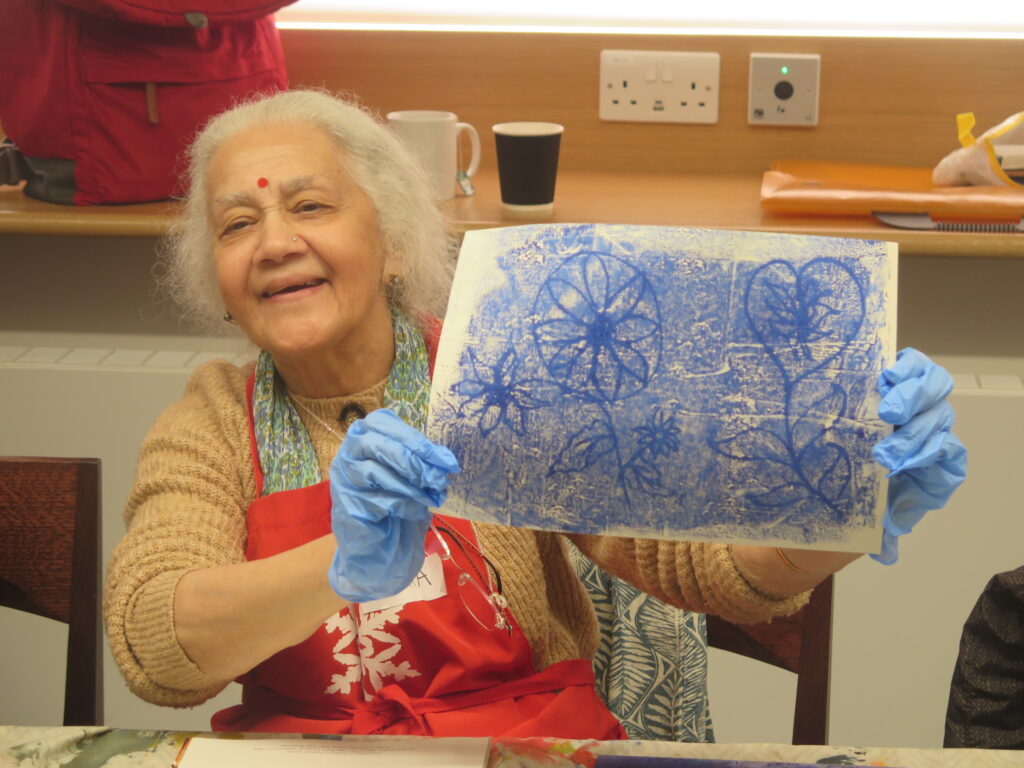
Two pieces of white paper folded into cards, with outlines of plants that have been printed on using blue orange and black ink, taken at a creative:tandem project.

DONATE TO CREATE

£
Select Payment Method
Personal Info

Credit Card Info
This is a secure SSL encrypted payment.
Billing Details

Donation Total: £25.00

HOW CREATIVITY SUPPORTS MENTAL WELLBEING AND REDUCES ISOLATION

HOW CREATIVITY SUPPORTS MENTAL WELLBEING AND REDUCES ISOLATION

Mental ill health in later life is often closely linked with loneliness and isolation. Nearly one million older people in the UK are frequently lonely, while the number of adults aged over 50 experiencing chronic loneliness is projected to rise significantly in coming years.

For older adults living with dementia or long-term mental health conditions, isolation can have a serious impact on wellbeing, confidence and cognitive health. In fact, prolonged loneliness is associated with a 49%-60% higher risk of developing dementia. At the same time, research increasingly shows that meaningful social connection and creative engagement can play an important role in supporting mental wellbeing and quality of life.

Create’s art:links programme works with vulnerable older adults with dementia or other age-related challenges, providing opportunities to connect, express themselves and engage creatively alongside our professional artists.

Reducing isolation through creativity

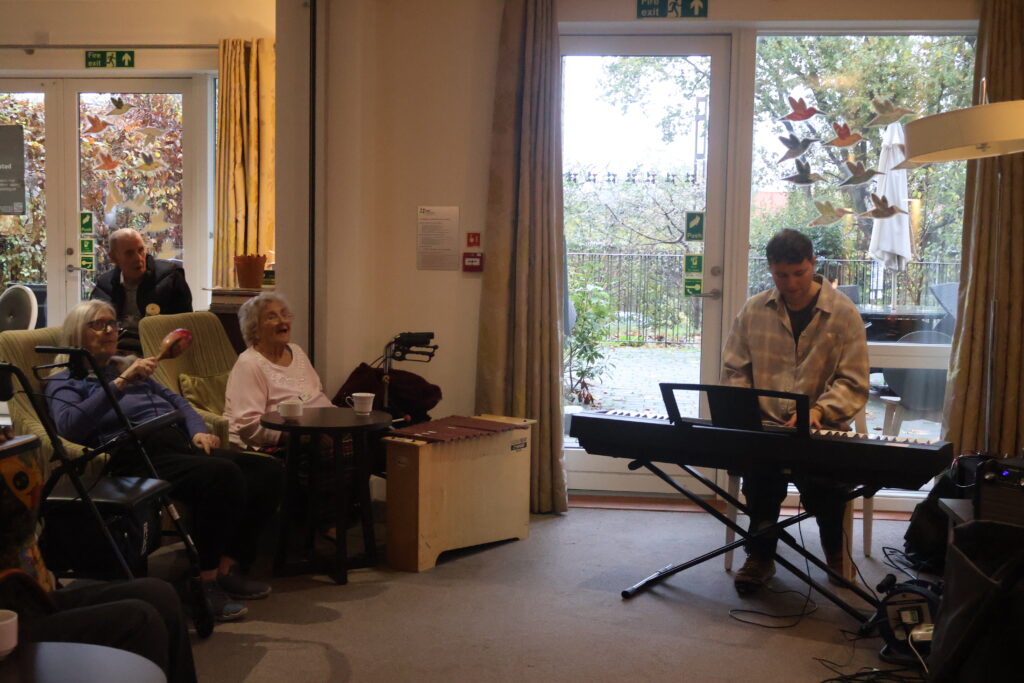
At Chamberlain House Dementia Resource Centre (CHDRC) in Kensington & Chelsea, participants took part in our art:links music project led by Create musician John Webb.

Support worker Begoña explained:

“CHDRC is a day centre where service users come to reduce the isolation [they feel] at home.”

“The majority have dementia; [others] have mental health problems like schizophrenia and depression. They have very complex needs.”

Many participants face significant cognitive and emotional challenges, which can make traditional group activities difficult to facilitate. Music offered a different kind of connection.

Music, memory and emotional connection

During the workshops, participants collaborated to compose and perform their own song based around the theme of “hobbies”.

“They did amazing work. All of them shared their ideas and experiences, and [this was] reflected in the finished song.”

“When they sang their part, you could tell how proud they were.”

Research shows that music can support memory, communication and emotional wellbeing in people living with dementia, often helping participants reconnect with memories and emotions that can otherwise feel difficult to access.

Begoña saw this impact firsthand:

“As soon as John plays songs, the group follow the tune and sing.”

They become emotional with good memories.

Begoña, Care worker at CHDRC

The importance of feeling connected

One of the most significant impacts of creative group activities is the opportunity they create for social connection.

Loneliness is strongly associated with poorer mental and physical health outcomes, including depression and cognitive decline. Shared creative experiences can help break down barriers, creating moments of joy, confidence and belonging.

Showcasing their hard work to loved ones at the end of the project created moments of pride and collective joy. Begoña shared some of these reflections:

“In the sharing event, the daughter of [a service user] said ‘My mum was so happy!’. 

“Another family friend said of a different service user ‘Look at her, she’s [been] smiling all the time!’ She was so proud of her.

“One service user said, ‘Coming here, I’m not alone, like at home’. It was very special.”

Why creativity matters

Projects like art:links show that creativity can offer far more than entertainment for older adults.

Through music and shared creative experiences, participants are supported to express themselves, connect with others and experience moments of confidence, joy and recognition.

As Begoña reflected:

“[These projects] help very much because [they] bring out the best in us.”

Thank you to City Bridge Foundation and The Headley Trust for funding this project.

DONATE TO CREATE

£
Select Payment Method
Personal Info

Credit Card Info
This is a secure SSL encrypted payment.
Billing Details

Donation Total: £25.00