CREATIVITY WITHOUT BARRIERS: WHY ACCESS TO THE ARTS MATTERS
Who gets to be creative?
It sounds like a simple question, but for many people, access to the arts remains out of reach. Whether due to disability, caring responsibilities, poor mental health, financial pressures or social exclusion, barriers to creativity continue to prevent many people from experiencing its benefits.
These issues were explored during Create’s recent Create Conversations webinar on Creativity Without Barriers, held as part of Creativity and Wellbeing Week.
Chaired by Dr Simon Opher MP, the discussion brought together a panel of experts with different perspectives on creativity, wellbeing and inclusion: Dr Tola Dabiri, Director of Electric Piers CIC and Chair of Advocates for Representation in Creative Health; Jemilea Wisdom-Baako, Cultural Disruptor, Poet and Creative Director; and Nicky Goulder MBE, Founding CEO of Create.
Together, they explored how creativity can support marginalised communities, the barriers that prevent participation and why access to the arts matters.
The people who need it most
One of the strongest themes to emerge from the discussion was a simple but uncomfortable reality: those who could benefit most from creativity are often the least likely to access it.
As Dr Simon Opher MP observed:
“The people that really need it are the least likely to be exposed to it.”
This is particularly important given the growing body of evidence linking arts engagement with improved wellbeing, reduced loneliness and better mental health outcomes.
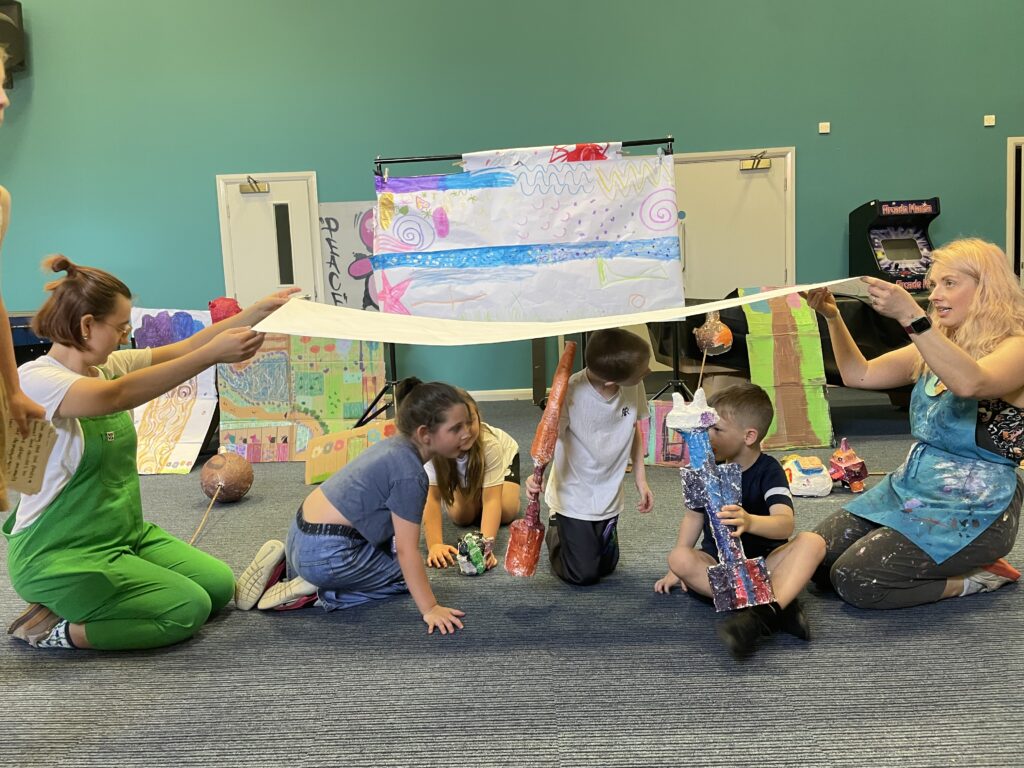
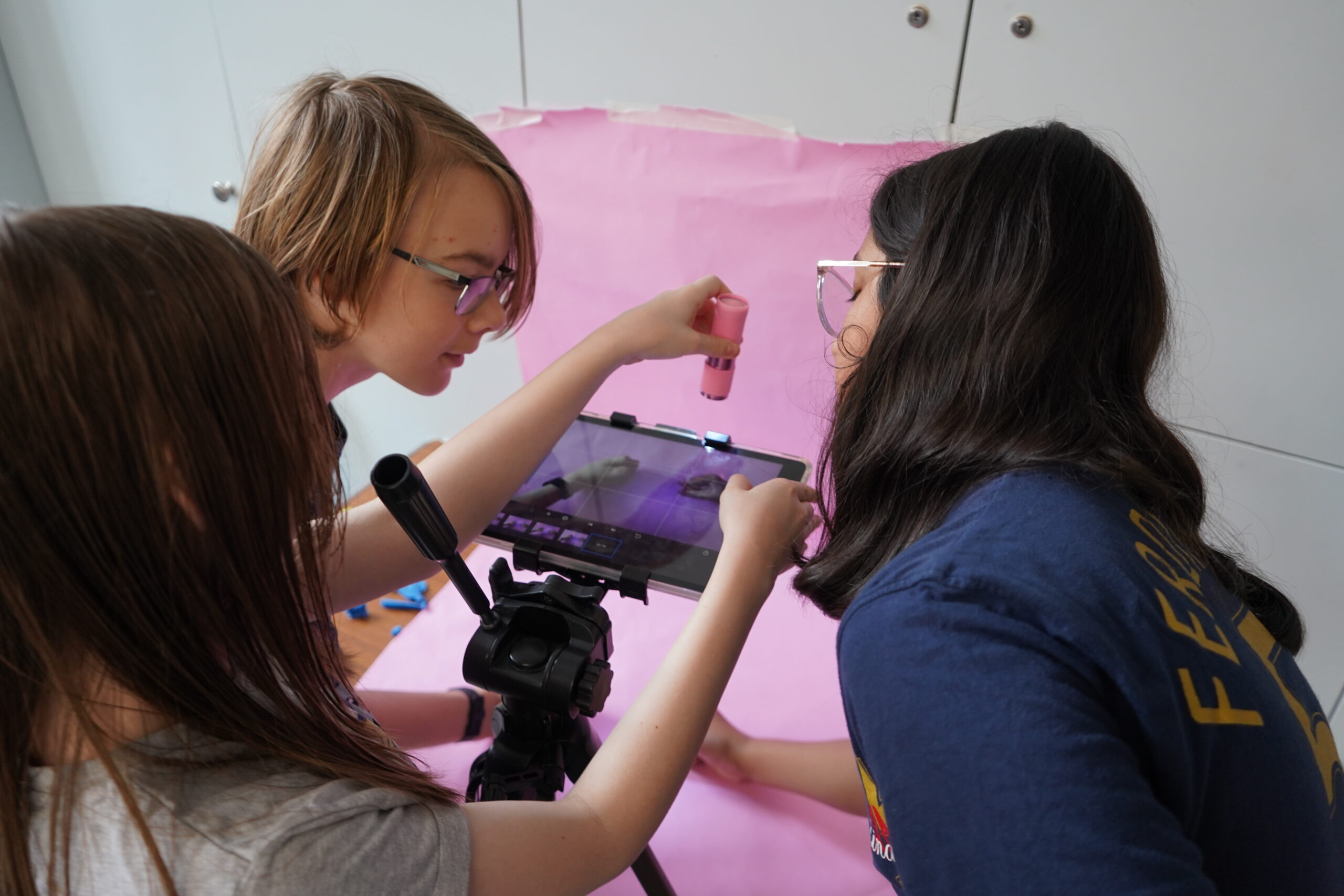
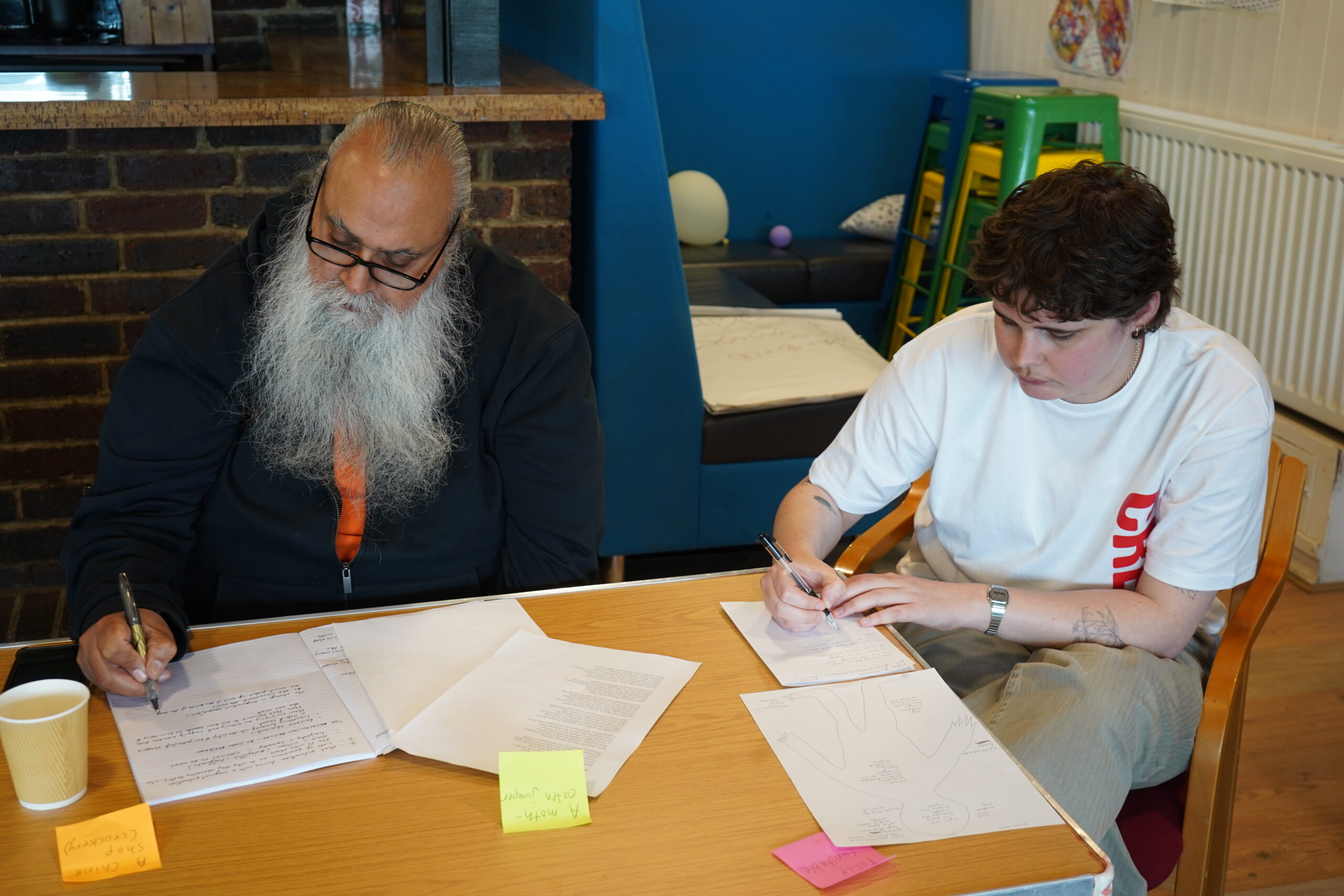
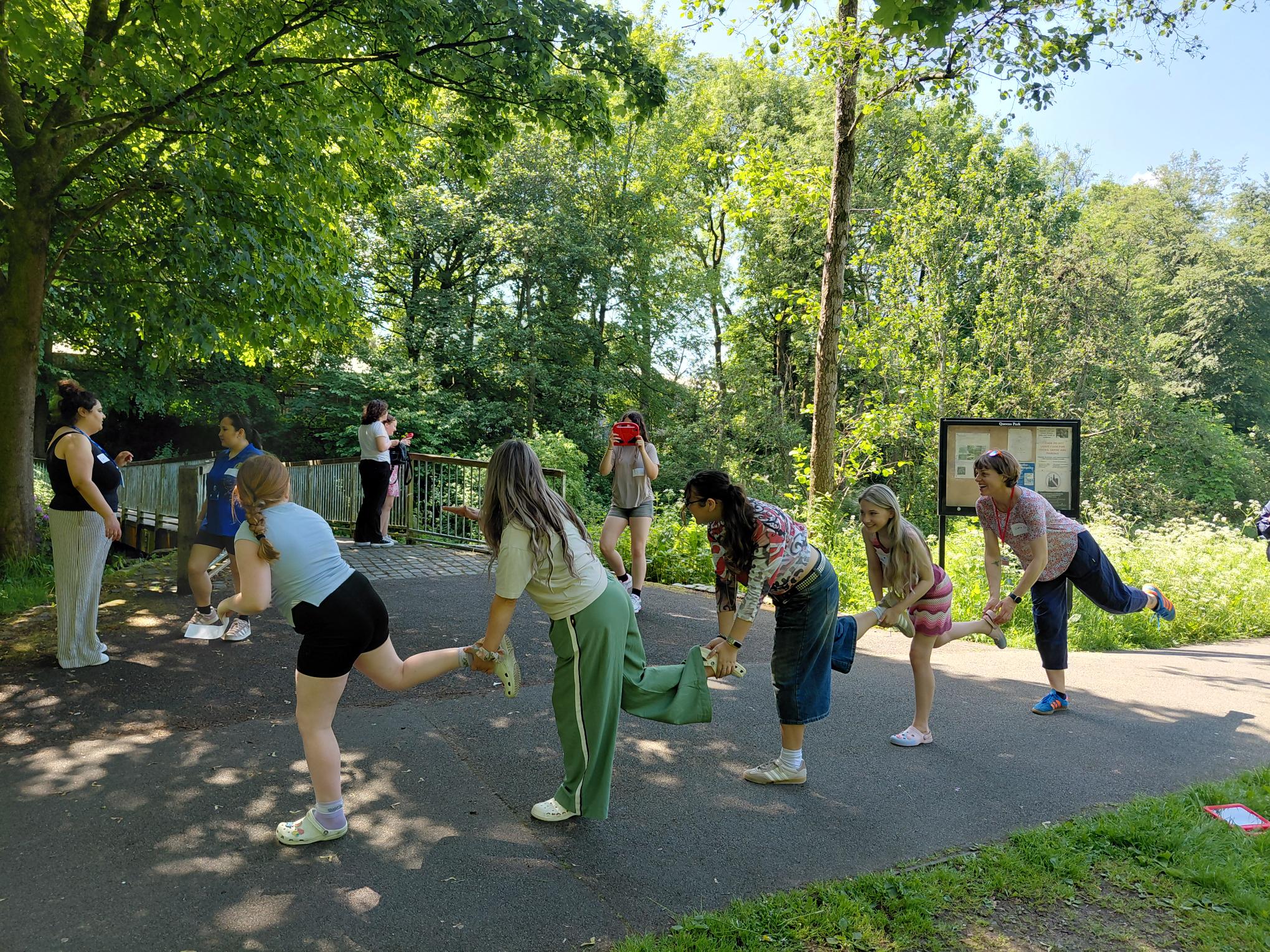
At Create, we see this every day through our work with young carers, disabled children, children in care, older adults, people in prison and others who often face barriers to participation.
As Nicky Goulder explained:
“Giving children and adults access to the creative arts enables people to build their skills and their wellbeing and to make new connections.”
Rethinking what creativity looks like
The conversation also challenged assumptions about what counts as creativity and where it takes place.
Dr Tola Dabiri encouraged attendees to think beyond traditional arts venues and activities:
“Singing in a choir is very good for you… but why do you have to go to a choir? Why can’t we look at something like karaoke down the pub?”
The point resonated throughout the discussion. Creativity exists in communities already. The challenge is recognising it, valuing it and creating more opportunities for people to participate in ways that feel relevant and accessible.
Tola also highlighted the need to broaden our understanding of creative health:
The thing about creative health is that it actually benefits everyone.
DR TOLA DABIRI, CREATE CONVERSATIONS
Meeting people where they are
For Jemilea Wisdom-Baako, expanding access starts with listening to communities and challenging assumptions about who engages with creativity.
She asked:
“Who is being excluded from conversations? Who is not showing up in the places where we’re doing our work?”
The panel discussed the importance of taking creative opportunities into community spaces and working alongside local people rather than expecting them to come to traditional cultural settings.
As Jemilea put it:
When you can go to the people instead of expecting them to come to you, you actually change the power dynamic.
Jemilea Wisdom-Baako, CreatE CONVERSATIONS
Creativity as connection
The discussion repeatedly returned to the role creativity can play in reducing isolation and strengthening communities.
Research shows that loneliness is associated with poorer mental and physical health outcomes, while social connection is increasingly recognised as a key determinant of wellbeing.
At Create, reducing isolation and building connection sit at the heart of our work. In 2025/26, 96% of participants said their wellbeing was enhanced after taking part in a Create project.
Whether through music, visual art, writing, dance or drama, creativity provides a powerful way for people to come together, share experiences and discover common ground.
As Nicky reflected:
“Reducing isolation and building skills and empowerment are really at the heart of our model.”
Looking ahead
The discussion concluded with a clear message: access to creativity should not be determined by circumstance.
If creativity helps people build confidence, strengthen relationships, improve wellbeing and unlock new possibilities, then ensuring more people can access it should be a priority.
At Create, that belief is summed up in a simple phrase:
“People need to create.”
By continuing to remove barriers to participation, we can help ensure that more people experience the life-enhancing power of the creative arts.