Author: communications

The Power of Creativity in the North West  

The Power of Creativity in the North West 
 

At Create, we believe that everyone should have access to the life-enhancing power of the creative arts. Yet many people still encounter barriers to participating in creative activities, whether due to caring responsibilities, disability, poor mental health, isolation or other circumstances. 

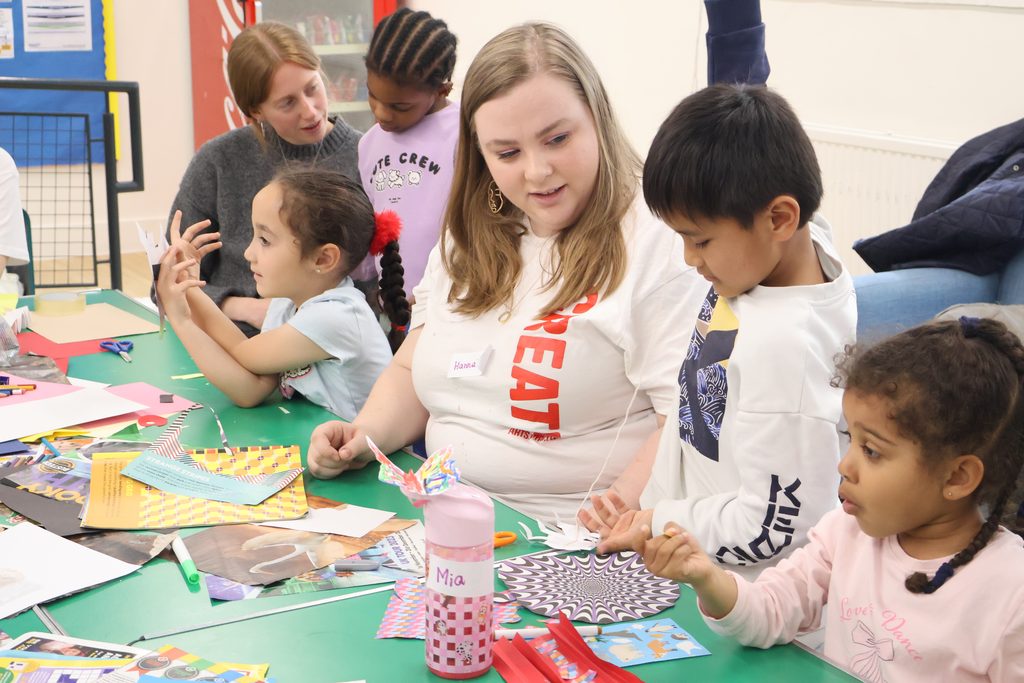
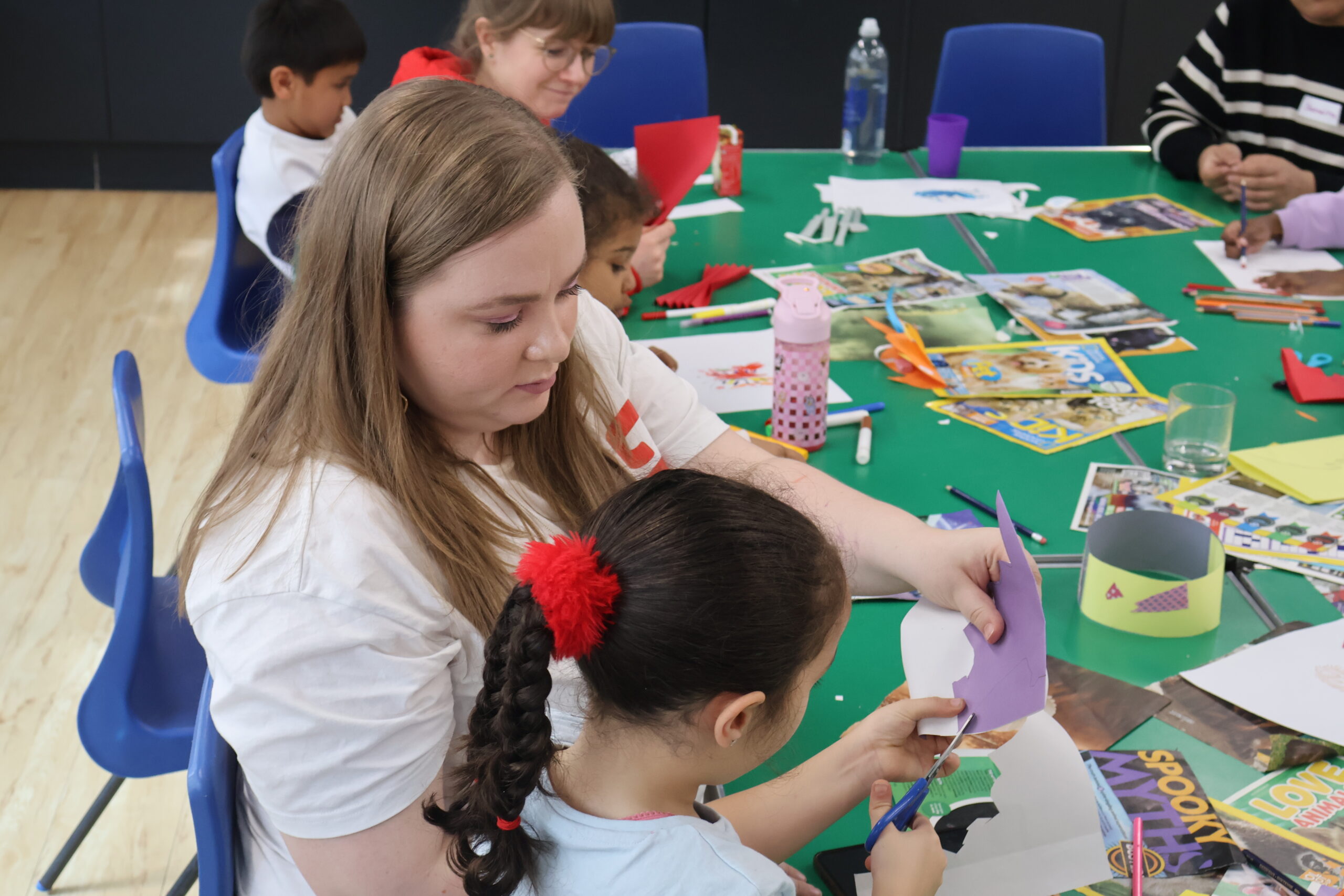
Thanks to the generous support of Garfield Weston Foundation, Create has continued to deliver creative arts programmes across the North West, reaching people who might otherwise not have the opportunity to engage with creativity. 

During 2025/26, Create delivered 317 workshops across the region, reaching 501 participants and providing more than 5,500 hours of creative engagement. Across our programmes, 96% of participants said their wellbeing improved, 96% felt more connected to others and 95% reported increased confidence after taking part. 

These figures reflect the transformative impact creativity can have when people are given the opportunity to create, connect and express themselves. 

Building confidence through music 

In Bury, young carers took part in a three-day inspired:arts music project led by Create musician Leonie Higgins in February 2026. 

Working together, the young people created original pieces of music while developing teamwork, communication and listening skills. 

Reflecting on the project, Bury Young Carers staff member Katy said: 

“It’s been a collective contribution from the group. They’ve developed teamwork, and they’ve been communicating, listening to each other’s ideas and being respectful.” 

She also highlighted the importance of providing young carers with time away from their responsibilities: 

These three days give them a proper break from their caring role at home, and it definitely enhances their wellbeing and self-esteem. They seem happy and content to be here.  

Katy, Bury Young Carers

It’s been encouraging to see the group participation and the young people’s ideas being listened to. I’ll definitely develop this in my own sessions at BYC going forward. 

Finding creative freedom through photography 

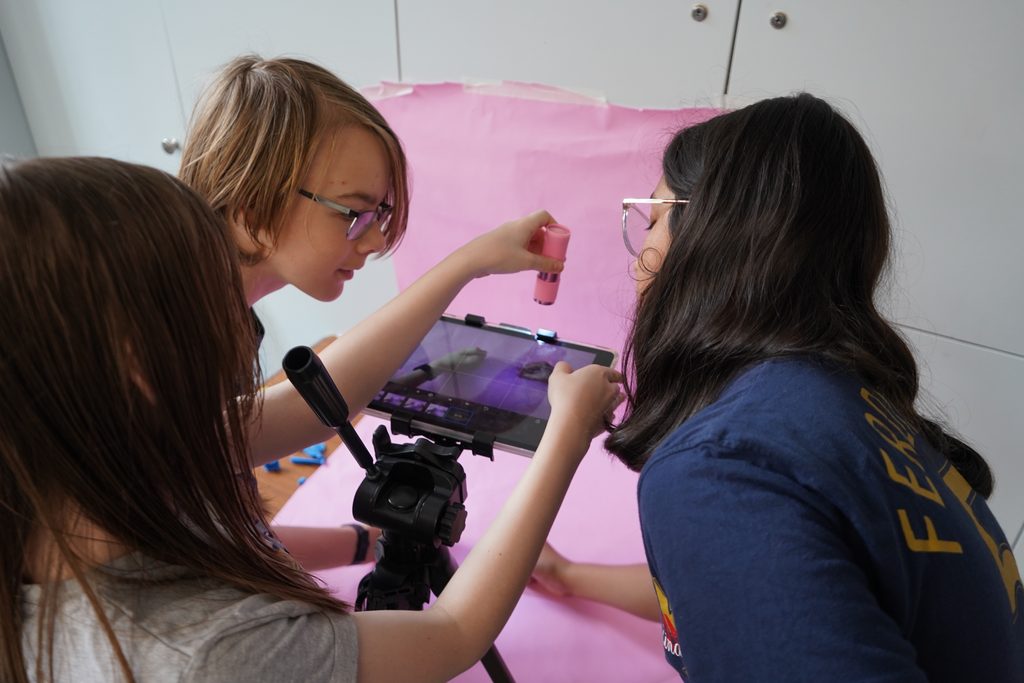
In Wigan, young carers explored photography through an inspired:arts project led by Create photographer Louisa Mayman. 

Abi, aged 12, cares for both of her parents and described some of the challenges her family faces: 

“My mum’s got cerebral palsy and my dad’s got a brain injury. My mum’s recently been in hospital, which made my anxiety worse. 

Other people get to do fun things with their mum. But at the moment, I mostly stay in the house with my family.” 

Through the workshops, she learned new photography techniques and discovered a creative outlet that helped her be more present: 

[Being creative] makes me feel good because I’m taking my mind off the world and I’m just focusing on one thing, which is quite nice.

Abi, inspired:arts participant

Her experience reflects something we hear regularly from participants across many of our programmes: creativity can provide a valuable opportunity to step away from everyday pressures, build confidence and develop new skills. 

Creativity that reaches across communities 

While these stories come from our work with young carers, they represent just two examples of the impact Create has across the North West. 

Throughout the year, our professional artists worked with children, young people and adults facing a wide range of challenges, delivering projects that reduce isolation, enhance wellbeing and create opportunities for self-expression and connection. 

Whatever the artform, the outcomes are consistent: improved wellbeing, stronger connections and increased confidence. 

We are hugely grateful to Garfield Weston Foundation for helping make this possible. Their support has enabled hundreds of people across the North West to access high-quality creative experiences and experience the many benefits that creativity can bring. 

DONATE TO CREATE

£
Select Payment Method
Personal Info

Credit Card Info
This is a secure SSL encrypted payment.
Billing Details

Donation Total: £25.00

23 YEARS OF CREATING CONNECTION, SKILLS AND WELLBEING

23 YEARS OF CREATING CONNECTION, SKILLS AND WELLBEING

Today – 7 July 2026 – Create turns 23. I can still remember the first day, at my dining room table, as though it were yesterday.

I love a celebration, and this feels like a very special and important moment for the charity, particularly at a time when the wide-ranging benefits of creativity are being increasingly recognised.

Yesterday, I visited the showcase of our “More Creative” project in the London borough of Southwark. Over seven weeks our inspirational professional dancer worked with a group of 20 adults with learning disabilities and primary schoolchildren to explore movement, storytelling and the joy of creating collaboratively. Joy was at the heart of their glorious performance, which took us through animal-filled forests to a water meadow full of colourful dancing waterlilies. Once again, I experienced the magic that happens when people come together to create.

Although so much in our world has changed since 2003, my vision on starting the charity – of a society in which everyone has access to the educational, social and life-enriching benefits of the creative arts – has stayed the same. We have always believed that access to creativity is a fundamental right, not a privilege, and the increasing inequalities in our communities mean that our work has never been more important.

It is a challenging time for the arts sector – and charities more broadly – and I am proud that Create has now delivered 17,167 workshops that have brought joy, skills, inspiration, connection and wellbeing to 50,430 of the most isolated and vulnerable children and adults across the UK. That’s equivalent to a convoy of 630 packed double decker buses!

Artwork made by survivors of modern slavery as part of Hestia’s Art is Freedom campaign, delivered in collaboration with Ashurst Perkins Coie.

Social prescribing is increasingly embedded in the NHS, which explicitly recommends creative and cultural activities for people with mental health issues, chronic pain, and other conditions. Creative health, which was arguably seen as a specialist topic 23 years ago, is now widely discussed in Parliament and policy circles. And this awareness continued to grow at the start of this year, with the publication of Professor Daisy Fancourt’s book “Art Cure”. Drawing on the last decade of UCL research into the arts, Fancourt makes a compelling case for the necessity of access to the arts. Create’s core belief – that people need to create – is here scientifically proven beyond doubt by evidence drawn from thousands of studies.

Fancourt argues overwhelming for the arts as the “fifth pillar of health” alongside diet, sleep, exercise, and nature. The impact of creative arts participation is measurable, producing quantifiable improvements across physical and mental health outcomes.

Here at Create, we have 23 years of compelling data demonstrating the impact of our creative arts programmes on skill building, connections, confidence and wellbeing. And we have played an important role in the debate through our own online series of “Create Conversations” roundtables. Throughout the past year, we brought together experts from academia, charities, business and the creative sector to discuss the intersection of creativity and wellbeing, AI, and leadership.

Create Week (1-7 July 2025) brought the topic of creativity and wellbeing to an even wider audience. Working with a group of partner organisations across the UK, we encouraged people to participate in creative activities for seven days, designed by our professional artists and made available for free via our website. The campaign reached 2.6 million people, doubling its impact compared to the year before.

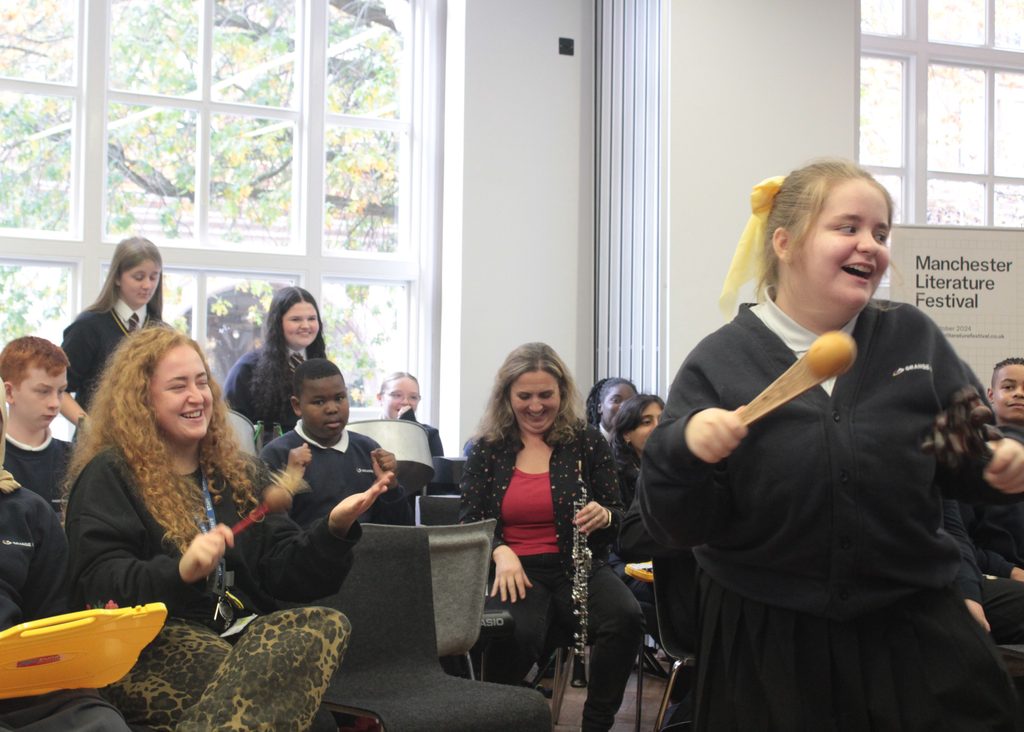
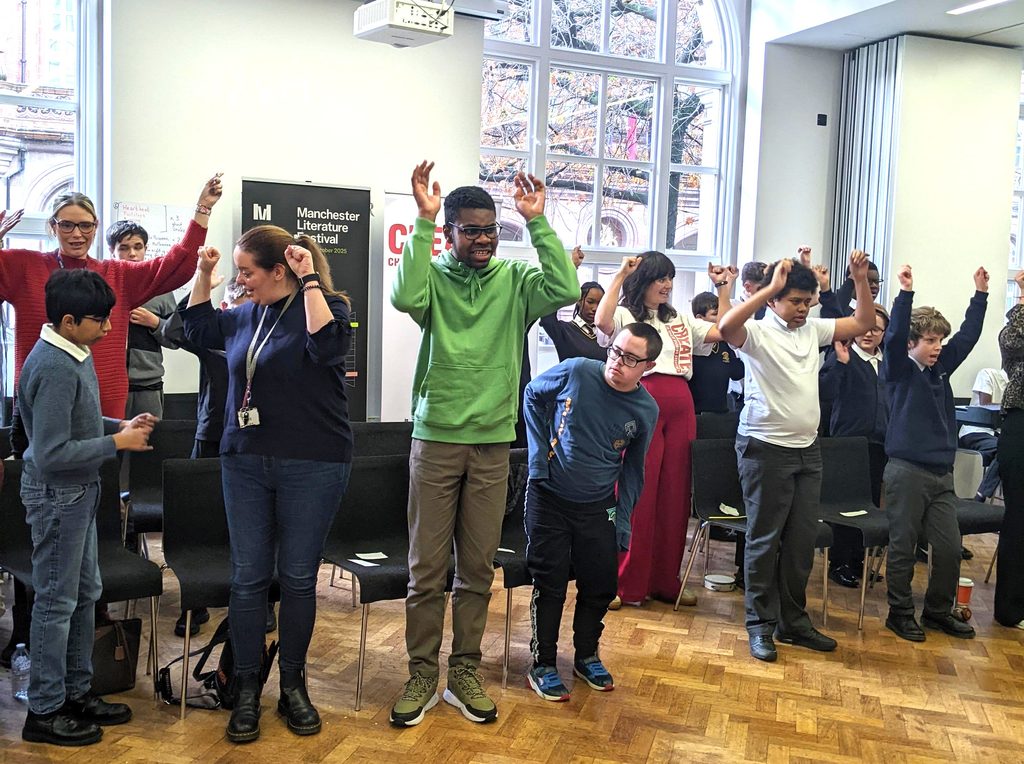
The main focus of Create’s work remains the delivery of free, high-quality creative arts programmes across the country. Among 97 different projects in the past year, we celebrated music created by 53 disabled and non-disabled young people as part of Manchester Literature Festival in October 2025. We gave a voice to young carers from five geographical locations on Young Carers Action Day in March 2026, when they showcased their incredible artwork, drama, music and puppets. And we published two storybooks written by prisoners for their children, winning a series of prestigious awards.

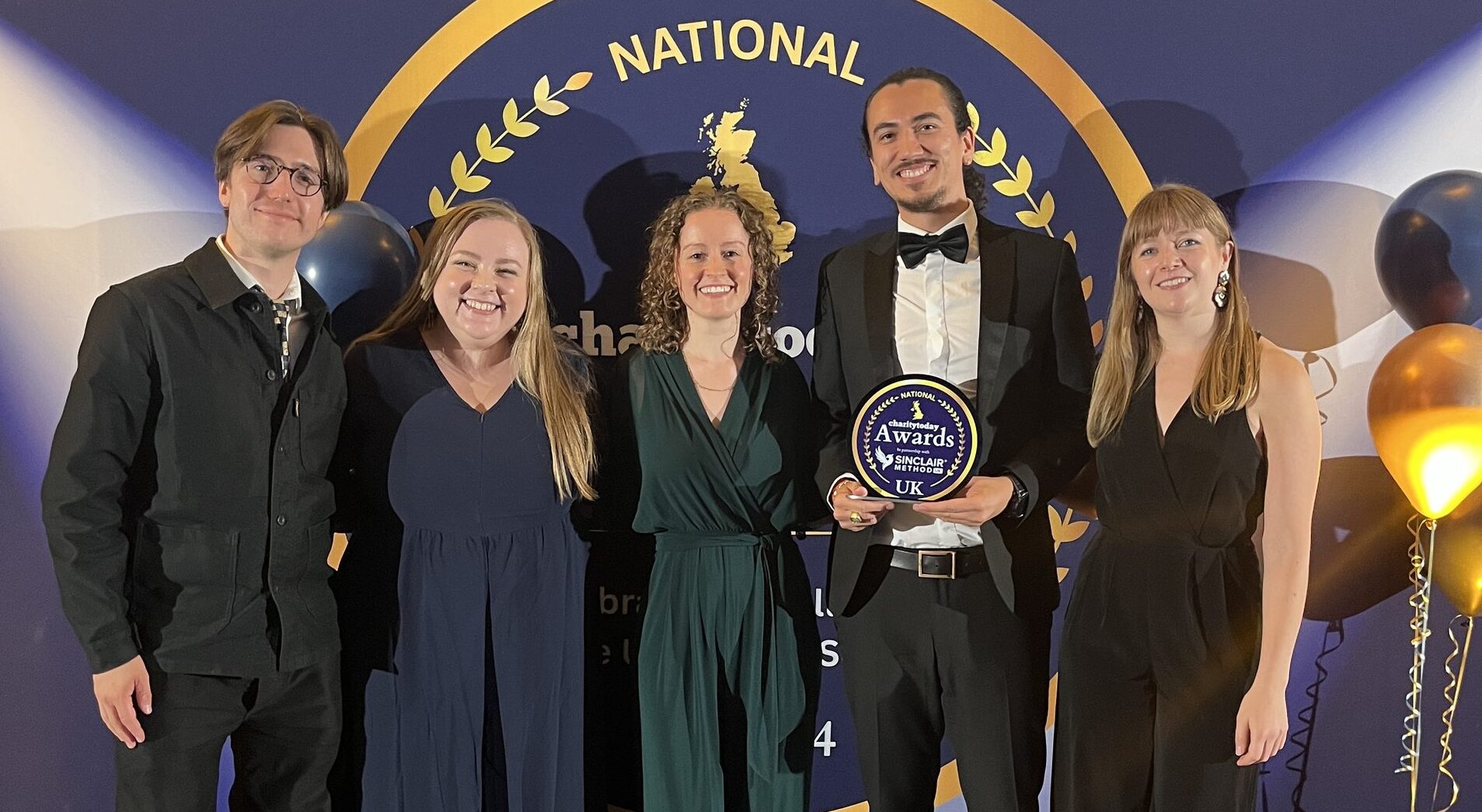
I am proud of the passion, commitment, drive and energy that our incredible staff team has shown over 23 years. I am inspired by Create’s professional artists who deliver our projects. I feel privileged that we are supported by dedicated Trustees, Patrons and funding partners. I am delighted that 100% of our partner organisations during 2025 rated their Create programme “successful overall”. And I am humbled that our work has been recognised with 146 awards since 2012, including Charity of the Year in 2020.

Above all, I am thankful to the incredible children and adults that we work with, who inspire and motivate me every day. As an isolated 93-year-old told me:

“It’s something to live for, isn’t it!”

Nicky Goulder MBE, Founding Chief Executive of Create

Read our 2025/26 Impact Report

DONATE TO CREATE

£
Select Payment Method
Personal Info

Credit Card Info
This is a secure SSL encrypted payment.
Billing Details

Donation Total: £25.00

Vacancy: HEAD OF DEVELOPMENT (GRANTS / MAJOR GIFTS)

Vacancy: HEAD OF DEVELOPMENT (GRANTS / MAJOR GIFTS)

Create is seeking an ambitious, strategic and experienced fundraising leader to drive income from trusts, foundations, the public sector and major donors.

This is an exciting opportunity to join the UK’s leading charity empowering lives, reducing isolation and enhancing wellbeing through the creative arts. As part of our ambitious plans to double our reach and impact by our 25th anniversary in 2028, you will play a pivotal role in shaping Create’s fundraising strategy and securing the income needed to expand our work across the UK.

Reporting directly to the Chief Executive and joining our Senior Leadership Team, you will lead our grants and major gifts fundraising, manage a high-performing team, and build lasting relationships with funders and supporters who share our vision that everyone should have access to the life-enhancing power of the creative arts.

The successful applicant will:

  • Lead Create’s fundraising strategy for trusts, foundations, public sector grants and major donors.
  • Secure significant levels of project and core funding against ambitious income targets.
  • Build and strengthen relationships with trusts, foundations, statutory funders and high-net-worth individuals.
  • Write compelling, tailored funding applications and major donor proposals.
  • Lead, motivate and develop Create’s grants fundraising team.
  • Manage a strong fundraising pipeline, identifying new opportunities and driving sustainable income growth.
  • Work closely with the Chief Executive to cultivate key relationships and represent Create at meetings, networking events and project visits.
  • Oversee high-quality reporting, stewardship and CRM management to ensure excellent donor relationships.
  • Contribute to organisational strategy as a member of Create’s Senior Leadership Team.
  • Champion Create’s mission and help expand access to the creative arts for people facing disadvantage and isolation.

Salary: £45,000-£50,000 per annum, depending on experience.

This is a full-time role, although requests for reduced hours (minimum 0.8 FTE) will be considered. Hybrid working is available following induction, with a minimum of two days per week in our London office.

How to apply

Download the application pack, which includes a full job description and person specification.

The deadline for applications is 9am on Monday 20 July 2026.

1st Interviews: Thursday 23 July 2026 at Create’s London office

2nd Interviews: Wednesday 29 July 2026 at Create’s London office

To apply, please send a completed application form with a short email providing a telephone number where you can be contacted in confidence. Please also attach an example of a proposal or bid that you have personally written for a significant grant.

Completed application forms can be emailed to recruitment@createarts.org.uk (please type the job title in the subject field).

Create is committed to a policy of equal opportunities embracing diversity in all areas of activity and welcomes applications from disabled people and people of all ethnicities.

No agencies / consultancies.

All vacancies

In a world of digital distractions, making time for creativity is vital

In a world of digital distractions, making time for creativity is vital

It has never been easier to connect with others. We can send a message to someone on the other side of the world instantly. We carry endless entertainment in our pockets. Technology promises to make life easier, more productive and more connected. Yet many of us have never felt more stressed, more distracted, or more alone.

Recent figures show that 22% of adults in England experience loneliness at least some of the time, with younger adults among the most affected. At the same time, research continues to show that constant digital interruptions are shrinking our attention span, increasing cognitive load and contributing to stress and poorer mental wellbeing.

Technology has in many ways made life easier. But somewhere along the way, we have confused being connected with feeling connection.

That’s where creativity comes in.

Twenty-three years ago, I founded the charity Create, to bring creativity to the most marginalised people in our society. In that time, I’ve seen what happens when people are given the space to create. I’ve watched isolated older people become part of a community through shared creative experiences, seen young and adult carers rediscover confidence through songwriting, and observed non-verbal children find their voice through painting, drama or photography.

At Create, we consistently see the power of creativity to create connection. That’s why, since 2024, we’ve run Create Week – a global celebration of creativity offering people free creative activities wherever they are.

Research backs this up. Creative participation has been shown to strengthen belonging, confidence and social connection. Even brief creative activities can increase wellbeing, enabling people to focus on the present moment, reducing stress and improving emotional regulation.

At a time when the NHS is under immense pressure, evidence shows that engagement with the arts can help prevent ill health, support recovery and reduce pressure on health services. These aren’t fringe benefits. They are exactly the kinds of preventative interventions we should be investing in.

Yet while the evidence has grown stronger, opportunities to be creative are moving in the opposite direction. Since 2010, local authority arts funding has fallen by 55%, with spending now at just £6.47 per person annually. Access to creativity should be a fundamental right, not a privilege. Yet for too many people, it is becoming increasingly determined by where you live or what you earn.

We often talk about creativity as though it’s a luxury – something nice to have. But creativity isn’t simply entertainment. It’s part of the infrastructure that helps people thrive. It helps us process difficult emotions, understand one another and slow down in a culture that is constantly demanding more of our attention. The value of creativity isn’t only in what we make. It’s in what happens to us when we create.

From 1-7 July, Create Week invites everyone to spend just ten minutes each day taking part in a free creative activity, designed by our professional Create artists. No specialist equipment or artistic experience are needed. It’s an opportunity to reconnect with yourself, with other people, and with the present moment.

Everyone deserves the chance to experience the wellbeing, confidence and connection that creativity can bring.  If we’re serious about building a healthier and more connected society, we shouldn’t be asking whether creativity is a luxury. We should be asking why we’ve allowed it to become one.

Nicky Goulder MBE, Founding Chief Executive of Create

DONATE TO CREATE

£
Select Payment Method
Personal Info

Credit Card Info
This is a secure SSL encrypted payment.
Billing Details

Donation Total: £25.00

Create Week boosts creativity and connection this July

Create Week boosts creativity and connection this July

Taking place from 1–7 July 2026, Create Week is a week-long campaign celebrating creativity, run by the charity Create.

It gives everyone the opportunity to experience the wellbeing benefits of creativity by providing access to free creative arts activities online.

The theme of Create Week 2026 is “Connect”: Encouraging everyone to slow down and connect with themselves, other people, and the world around them.

It’s no secret that engaging in the creative arts boosts our mood and is good for our overall sense of wellbeing. But not everyone has access to the creative arts, and many struggle to make time for creativity in today’s busy world, full of digital distractions.

For Create Week, Create’s professional artists have developed seven activities that encourage people to stop and create space for mindful engagement in the here and now. The activities are available completely free of charge and have been designed to help people of all ages and abilities to explore their creativity.

How does it work?

  • Taking part in Create Week is simple: Anyone can access the free creative activities and get creative wherever they are.
  • Everyone is encouraged to join in the celebration of creativity by sharing their creations and reflections using the hashtag #CreateWeek.
  • Create Week participants can also enter a free draw to win £100 of art materials from London Graphic Centre to fuel their creative journey.

Create Week activities can be done anywhere and take just 10 minutes to complete, allowing busy people to bring the power and joy of creativity into their everyday lives. And anyone who wants to create for longer can, as all activities are open-ended and can be extended.

People are encouraged to get together with friends, family, neighbours, or colleagues and run their own events for Create Week. Whether they get creative with others or on their own, everyone can take part in the activities and engage with the campaign online, helping to raise awareness of the benefits of creativity.

Why is it important?

Modern life with its frequent digital interruptions can lead to poorer focus, increased stress and even depression. Thankfully, large studies show that present‑moment awareness reduces stress and improves emotional regulation, even when practiced briefly. Creative activities naturally foster mindfulness by focusing attention on the here and now.

UK‑wide reports show that creative activities can prevent ill health, support recovery, and reduce pressure on the NHS, while also being low‑cost. Create Week helps boost wellbeing by encouraging people to pause, switch off, and re‑engage with the present moment.

Nicky Goulder MBE, Founding CEO of Create, said:

“Access to the life-enhancing power of the creative arts should be a right, not a privilege, and that’s why we started Create Week. Everyone should have the chance to pause and make time for creativity, but our busy lives can get in the way. And many of us don’t know where to start. Create Week makes creativity easy and accessible by removing the barriers to participation. Creativity is not an “add-on” but an essential wellbeing tool that should be available to everyone. So make some time for yourself, download the free activities from our website and join in with Create Week. We can’t wait to see what you create.”

DONATE TO CREATE

£
Select Payment Method
Personal Info

Credit Card Info
This is a secure SSL encrypted payment.
Billing Details

Donation Total: £25.00

CREATIVITY WITHOUT BARRIERS: WHY ACCESS TO THE ARTS MATTERS 

CREATIVITY WITHOUT BARRIERS: WHY ACCESS TO THE ARTS MATTERS 

Who gets to be creative? 

It sounds like a simple question, but for many people, access to the arts remains out of reach. Whether due to disability, caring responsibilities, poor mental health, financial pressures or social exclusion, barriers to creativity continue to prevent many people from experiencing its benefits. 

These issues were explored during Create’s recent Create Conversations webinar on Creativity Without Barriers, held as part of Creativity and Wellbeing Week. 

Chaired by Dr Simon Opher MP, the discussion brought together a panel of experts with different perspectives on creativity, wellbeing and inclusion: Dr Tola Dabiri, Director of Electric Piers CIC and Chair of Advocates for Representation in Creative Health; Jemilea Wisdom-Baako, Cultural Disruptor, Poet and Creative Director; and Nicky Goulder MBE, Founding CEO of Create. 

Together, they explored how creativity can support marginalised communities, the barriers that prevent participation and why access to the arts matters. 

The people who need it most 

One of the strongest themes to emerge from the discussion was a simple but uncomfortable reality: those who could benefit most from creativity are often the least likely to access it. 

As Dr Simon Opher MP observed: 

“The people that really need it are the least likely to be exposed to it.” 

This is particularly important given the growing body of evidence linking arts engagement with improved wellbeing, reduced loneliness and better mental health outcomes. 

At Create, we see this every day through our work with young carers, disabled children, children in care, older adults, people in prison and others who often face barriers to participation. 

As Nicky Goulder explained: 

“Giving children and adults access to the creative arts enables people to build their skills and their wellbeing and to make new connections.” 

Rethinking what creativity looks like 

The conversation also challenged assumptions about what counts as creativity and where it takes place. 

Dr Tola Dabiri encouraged attendees to think beyond traditional arts venues and activities: 

“Singing in a choir is very good for you… but why do you have to go to a choir? Why can’t we look at something like karaoke down the pub?” 

The point resonated throughout the discussion. Creativity exists in communities already. The challenge is recognising it, valuing it and creating more opportunities for people to participate in ways that feel relevant and accessible. 

Tola also highlighted the need to broaden our understanding of creative health: 

The thing about creative health is that it actually benefits everyone.

DR TOLA DABIRI, CREATE CONVERSATIONS

Meeting people where they are 

For Jemilea Wisdom-Baako, expanding access starts with listening to communities and challenging assumptions about who engages with creativity. 

She asked: 

“Who is being excluded from conversations? Who is not showing up in the places where we’re doing our work?” 

The panel discussed the importance of taking creative opportunities into community spaces and working alongside local people rather than expecting them to come to traditional cultural settings. 

As Jemilea put it: 

When you can go to the people instead of expecting them to come to you, you actually change the power dynamic.

Jemilea Wisdom-Baako, CreatE CONVERSATIONS

Creativity as connection 

The discussion repeatedly returned to the role creativity can play in reducing isolation and strengthening communities. 

Research shows that loneliness is associated with poorer mental and physical health outcomes, while social connection is increasingly recognised as a key determinant of wellbeing. 

At Create, reducing isolation and building connection sit at the heart of our work. In 2025/26, 96% of participants said their wellbeing was enhanced after taking part in a Create project. 

Whether through music, visual art, writing, dance or drama, creativity provides a powerful way for people to come together, share experiences and discover common ground. 

As Nicky reflected: 

“Reducing isolation and building skills and empowerment are really at the heart of our model.” 

Looking ahead 

The discussion concluded with a clear message: access to creativity should not be determined by circumstance. 

If creativity helps people build confidence, strengthen relationships, improve wellbeing and unlock new possibilities, then ensuring more people can access it should be a priority. 

At Create, that belief is summed up in a simple phrase: 

“People need to create.” 

By continuing to remove barriers to participation, we can help ensure that more people experience the life-enhancing power of the creative arts. 

DONATE TO CREATE

£
Select Payment Method
Personal Info

Credit Card Info
This is a secure SSL encrypted payment.
Billing Details

Donation Total: £25.00

MEET ZAINAB – A CREATIVE:TANDEM PARTICIPANT

MEET ZAINAB – A CREATIVE:TANDEM PARTICIPANT

Mental ill health in young people can take many forms including eating disorders, OCD, psychosis and severe emotional distress. Conversations around mental health often focus on anxiety and depression, overlooking the complexity of many young people’s experiences.

According to NHS England, around one in five children and young people aged 8-25 are now estimated to have a probable mental health disorder. For those admitted to inpatient mental health services, being away from home and friends can have a huge impact on confidence and wellbeing.

Create’s creative:tandem programme works with children and young people admitted to mental health units due to serious conditions, providing them with opportunities for self-expression, creativity and connection through the arts.

Colourful paintings of fruit on a piece of white paper with green and orange masking tape bordering the paper. Taken at a creative:tandem project

Losing your sense of self

Zainab* (14) took part in visual art workshops at the SLAM Bethlem Adolescent Unit, an inpatient service supporting young people with a range of mental health challenges including eating disorders, OCD and psychosis.

She described how mental illness affected her confidence and ability to engage with the things she once enjoyed:

“I’ve been in SLAM Bethlem Adolescent Unit for three to four months. My mental illness has stopped me from speaking up or participating in things I enjoy. You get cut off from your hobbies when you’re unwell.”

For many young people experiencing severe mental ill health, this loss of identity and routine can be deeply isolating.

A black and white ink painting on a piece of paper that depicts an 8 snooker ball, and other graphics, taken at a creative:tandem project.

Finding freedom through creativity

During the project, participants explored collage, painting and clay work with Create artist Renata Minoldo.

“On this project we’ve been making collages with different materials, painting and building with clay. The collages were my favourite. I used pieces of text, flowers and butterflies on top of different wallpaper designs, and that looked really pretty. It felt nice to put the piece on my wall.” 

For Zainab, creativity became a way to feel calmer and more open:

“Creativity is good for your mental health. makes you feel more free and relaxed. And it broadens your mind.” 

Getting to know that artistic side of yourself can be very freeing.

Zainab, creative:tandem

Research increasingly supports the link between creativity and wellbeing. The World Health Organization’s Collaborating Centre for Arts & Health, directed by Daisy Fancourt, has highlighted evidence that arts engagement can support mental health, reduce stress and anxiety, improve social connection and even help reduce pressure on health services.

The importance of making together

As well as supporting self-expression, group creative activities can help reduce feelings of isolation by encouraging conversation, collaboration and shared experiences:

“We’ve been talking to each other, sharing our ideas, our artwork and finding inspiration.”

For young people in inpatient settings, opportunities for meaningful social interaction can be limited. Zainab explained why projects like creative:tandem are so valuable:

“This project is really good for patients, because there’s not much stuff going on in the ward.  Group activities like these can be helpful and they boost your mental wellbeing. ”

You can focus on an art project and really lose yourself in it. And I think that being able to lose yourself is a wonderful thing.

Zainab, creative:tandem

Why this work matters

Mental wellbeing is about far more than the absence of illness. It is about connection, confidence, identity and feeling able to participate in life.

Through projects like creative:tandem, young people experiencing significant mental ill health are given space to express themselves creatively, connect with others and rediscover parts of themselves beyond their illness.

*Name changed to protect anonymity

Thank you to London Freemasons’ Charity and Prudence Trust for funding this project.

Two pieces of white paper folded into cards, with outlines of plants that have been printed on using blue orange and black ink, taken at a creative:tandem project.

DONATE TO CREATE

£
Select Payment Method
Personal Info

Credit Card Info
This is a secure SSL encrypted payment.
Billing Details

Donation Total: £25.00

HOW CREATIVITY SUPPORTS MENTAL WELLBEING AND REDUCES ISOLATION

HOW CREATIVITY SUPPORTS MENTAL WELLBEING AND REDUCES ISOLATION

Mental ill health in later life is often closely linked with loneliness and isolation. Nearly one million older people in the UK are frequently lonely, while the number of adults aged over 50 experiencing chronic loneliness is projected to rise significantly in coming years.

For older adults living with dementia or long-term mental health conditions, isolation can have a serious impact on wellbeing, confidence and cognitive health. In fact, prolonged loneliness is associated with a 49%-60% higher risk of developing dementia. At the same time, research increasingly shows that meaningful social connection and creative engagement can play an important role in supporting mental wellbeing and quality of life.

Create’s art:links programme works with vulnerable older adults with dementia or other age-related challenges, providing opportunities to connect, express themselves and engage creatively alongside our professional artists.

Reducing isolation through creativity

At Chamberlain House Dementia Resource Centre (CHDRC) in Kensington & Chelsea, participants took part in our art:links music project led by Create musician John Webb.

Support worker Begoña explained:

“CHDRC is a day centre where service users come to reduce the isolation [they feel] at home.”

“The majority have dementia; [others] have mental health problems like schizophrenia and depression. They have very complex needs.”

Many participants face significant cognitive and emotional challenges, which can make traditional group activities difficult to facilitate. Music offered a different kind of connection.

Music, memory and emotional connection

During the workshops, participants collaborated to compose and perform their own song based around the theme of “hobbies”.

“They did amazing work. All of them shared their ideas and experiences, and [this was] reflected in the finished song.”

“When they sang their part, you could tell how proud they were.”

Research shows that music can support memory, communication and emotional wellbeing in people living with dementia, often helping participants reconnect with memories and emotions that can otherwise feel difficult to access.

Begoña saw this impact firsthand:

“As soon as John plays songs, the group follow the tune and sing.”

They become emotional with good memories.

Begoña, Care worker at CHDRC

The importance of feeling connected

One of the most significant impacts of creative group activities is the opportunity they create for social connection.

Loneliness is strongly associated with poorer mental and physical health outcomes, including depression and cognitive decline. Shared creative experiences can help break down barriers, creating moments of joy, confidence and belonging.

Showcasing their hard work to loved ones at the end of the project created moments of pride and collective joy. Begoña shared some of these reflections:

“In the sharing event, the daughter of [a service user] said ‘My mum was so happy!’. 

“Another family friend said of a different service user ‘Look at her, she’s [been] smiling all the time!’ She was so proud of her.

“One service user said, ‘Coming here, I’m not alone, like at home’. It was very special.”

Why creativity matters

Projects like art:links show that creativity can offer far more than entertainment for older adults.

Through music and shared creative experiences, participants are supported to express themselves, connect with others and experience moments of confidence, joy and recognition.

As Begoña reflected:

“[These projects] help very much because [they] bring out the best in us.”

Thank you to City Bridge Foundation and The Headley Trust for funding this project.

DONATE TO CREATE

£
Select Payment Method
Personal Info

Credit Card Info
This is a secure SSL encrypted payment.
Billing Details

Donation Total: £25.00

THANK YOU TO OUR CORE AND UNRESTRICTED FUNDERS: CREATIVITY WITHOUT LIMITS

THANK YOU TO OUR CORE and unrestricted FUNDERS: CREATIVITY WITHOUT LIMITS

At Create, we believe that everyone – regardless of age, background or circumstance – should have access to the life-enhancing power of creativity.

Thanks to the generous support of our core and unrestricted funders, we were able to reach more people than ever in 2025/26 with high-quality, collaborative creative arts projects. This flexible funding is vital: it enables us to respond quickly to emerging needs, build trusted partnerships, and co-design programmes with communities. It also underpins the essential costs of running a resilient organisation, supporting our artists, maintaining quality and ensuring projects are accessible, inclusive and impactful.

Across the year, we ran 96 projects, delivered over 1,355 workshops and engaged 2,500 participants facing significant barriers to accessing creativity – from young carers and children in care, to people with disabilities and older adults experiencing isolation.

A CREATIVE RESPONSE TO INEQUALITY

60% of our participants were eligible for free school meals, more than double the national average. Nearly half were from the global majority, 50% had special educational needs and 17% spoke English as an additional language. These figures reflect our commitment to reaching the most marginalised groups in our society.

In every workshop, participants explored their creativity in new ways, built meaningful connections and developed vital life skills – all while being supported by our team of professional artists.

REAL IMPACT

The outcomes of this work were powerful:

  • 99% of participants reported learning something new
  • 96% said their wellbeing had improved
  • 95% felt more confident and 96% felt more connected to others
  • 96% said they enjoyed the project they took part in
  • 99% of community partners said that their programmes were enhanced by our projects

These numbers only tell part of the story. Behind every statistic is a person who discovered their voice through creativity – like this adult carer from Harrow:

“Since the workshop, I’ve noticed a real shift in my wellbeing – [I’m] more balanced, more focused and definitely more energised. It’s like something clicked into place.”

Participant, creative:voices, Harrow

Or this young carer from our Southwark dance project:

“[This project] gave me the confidence to speak to people.” – Participant, art:space, Cambridge

Thank you

Unrestricted, core support from our funders makes this work possible. With their backing, we’re not only increasing access to creativity – we’re changing lives. Whether through painting, dance, photography, drama or music, our workshops help participants to build confidence, improve wellbeing and feel seen, valued and heard.

To our core funders, including those who prefer to remain anonymous – thank you. Your commitment to creativity, inclusion and impact is helping us build a fairer, more connected society. We are so grateful for your partnership and support.

In 2025/26 we received core or unrestricted funding from:

Aesop Foundation, Brown Forman, CA Redfern Charitable Foundation, Chesterhill Charitable Trust, David and Ruth Lewis Family Charitable Trust, The Finborough Foundation, The Linbury Trust, London Graphic Centre, Q Charitable Trust, The Rory and Elizabeth Brooks Foundation, Unethical and White Stuff.

DONATE TO CREATE

£
Select Payment Method
Personal Info

Credit Card Info
This is a secure SSL encrypted payment.
Billing Details

Donation Total: £25.00

Meet Billy, a young carer from Cheshire

Meet Billy, a young carer from Cheshire

Young carers take on responsibilities that most young people their age never have to consider. Across the UK, there are estimated to be over one million children providing care for a family member, often balancing school, home life and significant emotional responsibility.

Creativity can give young carers the chance to take time for themselves, meet other young carers and express themselves.

Billy (12) is one of the young carers who took part in Create’s inspired:arts programme, which provides creative arts opportunities designed to give young carers respite from their caring role while building confidence, skills and wellbeing.

Drawings by young carers on a table.

Growing up with caring responsibilities

Billy cares for his mother, who has multiple sclerosis, and supports his family in difficult circumstances.

“I took on caring responsibilities because my dad has PTSD, which affects him getting a job. I was about six [at the time]. It’s pretty challenging and it has become worse over time.”

Like many young carers, Billy described the emotional strain of responsibility at such a young age:

“As a carer, sometimes you do get those low points because you’re just really stressed and scared about what might happen to the person you’re caring for.”

He recalled one moment that highlights how different life can be for young carers:

“One time when my dad wasn’t there, my mother fell down the stairs. It was late at night and she didn’t want to wake anyone up. I got my mum back up and she called my dad. I don’t think that happens to most [other young people who aren’t carers]. Only when my mum is asleep do I get my own free time.”

A young carers animation project.

Discovering photography and animation

Billy took part in a three-day photography and animation project at Cheshire Young Carers with our professional photographer, Ciara Leeming. During the workshops, he and other young carers explored their creativity through animation, photography and stop-motion:

“We’ve been doing photography and animation. I’ve taken images of the park outside using an iPad and camera and created stop-motion using different materials.”

Through the creative process, Billy discovered new ways of seeing the world around him.

“I’ve learned that photography is more than just taking pictures. It’s [about] actually engaging with the environment around you and thinking about what would be good as a picture.”

Working collaboratively with other young carers made the experience even more meaningful.

“I enjoyed doing the stop motion because it was very fun and I got to work with people I wanted to work with, which doesn’t always happen at school. It was really satisfying [to complete the stop motion] and because other people were watching it with us, it felt more special.”

Young carers watching their animations.

Why creativity matters

For Billy, creativity offers something powerful – a positive outlet and a way to process the pressures he faces:

“[Creativity] is a way to express yourself, which is really good for your mental and physical health.”

Projects like inspired:arts give young carers a rare opportunity to focus on themselves rather than their responsibilities. By working with our professional artists and connecting with other young carers, they can build confidence, discover new interests and experience the joy of creating.

For Billy and many others, that space can make a real difference.

inspired:arts with Cheshire Young Carers was funded by St James’s Place Charitable Foundation.

DONATE TO CREATE

£
Select Payment Method
Personal Info

Credit Card Info
This is a secure SSL encrypted payment.
Billing Details

Donation Total: £25.00