Tag: Survivors of Modern Slavery

Art is Freedom: Returning to art after 50 years

Art is Freedom: Returning to art after 50 years

Art is Freedom is Hestia’s annual art exhibition, featuring work created by survivors of modern slavery, delivered in collaboration with Ashurst Perkins Coie.

Create delivers painting workshops as part of Hestia’s Art is Freedom campaign, where survivors can learn and refine their skills, before submitting their favourite pieces for the exhibition.

The need for specialist, long-term support for survivors remains significant. In 2025, 23,411 potential victims of modern slavery were referred to the UK’s National Referral Mechanism, the highest annual number since the system began.

And recognition as a survivor does not necessarily mean that the challenges end. Hestia’s 2025 Underground Lives research found that 90% of survivors surveyed still had unmet needs after being formally recognised as victims of modern slavery, including needs relating to mental health, housing, employment, and legal support.

JR, 56, has been supported by Hestia since 2019. We spoke to him about returning to art after 50 years, what he created and why the experience gave him a feeling of “freedom, liberation and rebirth”.

USING ART TO EXPLORE “THIS IS ME”

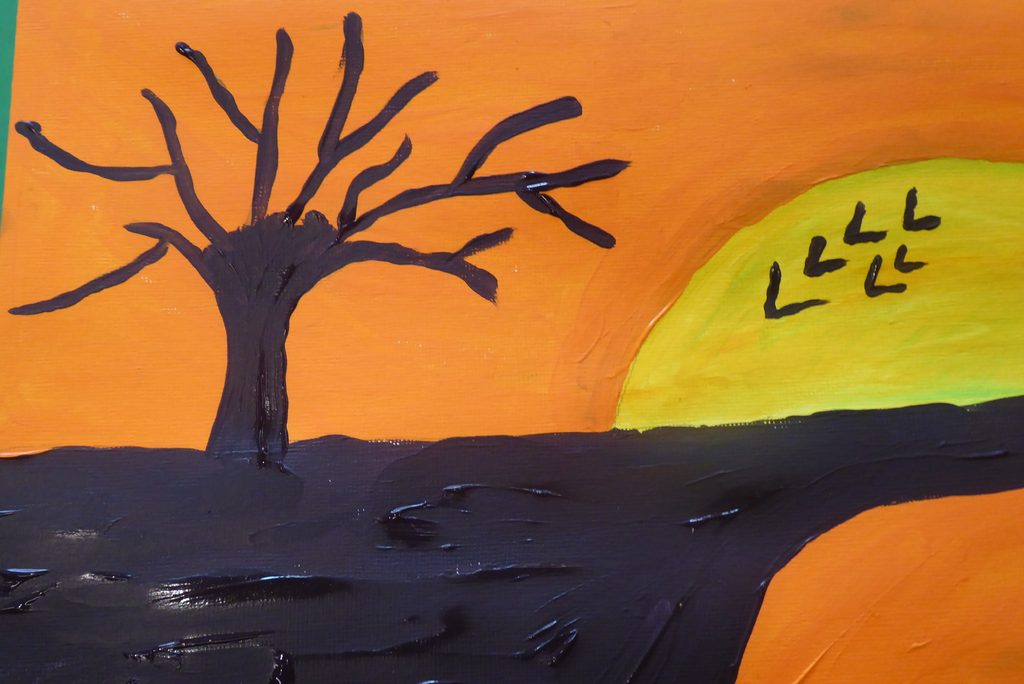
For the theme ‘This is Me’, JR chose two subjects that held particular meaning for him:

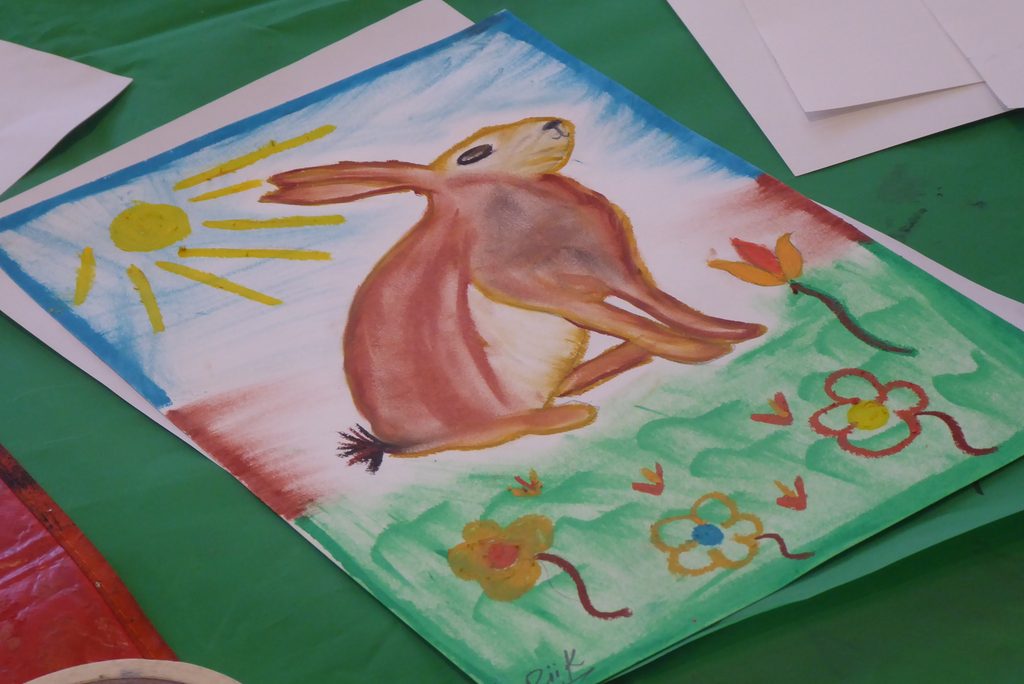
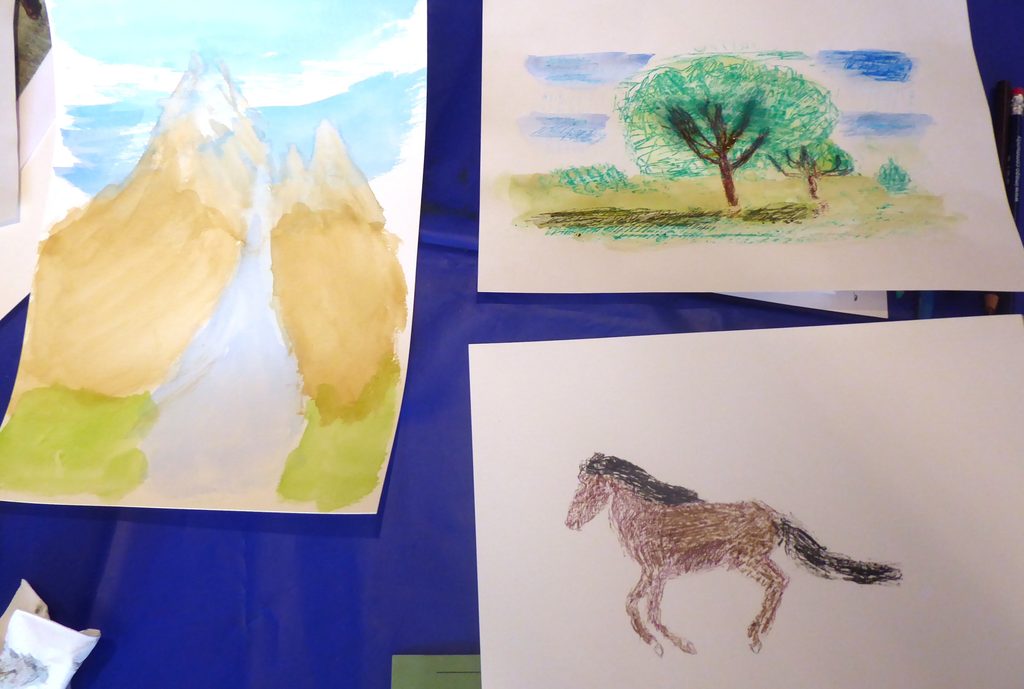
“On the first day I selected two of my most loved things in the world, which was a horse and a tree.

“Because of [the theme] ‘This is Me’ I focused on myself to find my own self throughout the portraits, through what I’m doing. That’s why I selected the horse, a noble creature and noble animal that always has a free spirit, even if it’s been tamed, like captivity, for example. It’s my favourite animal. The tree represents the tree of life.”
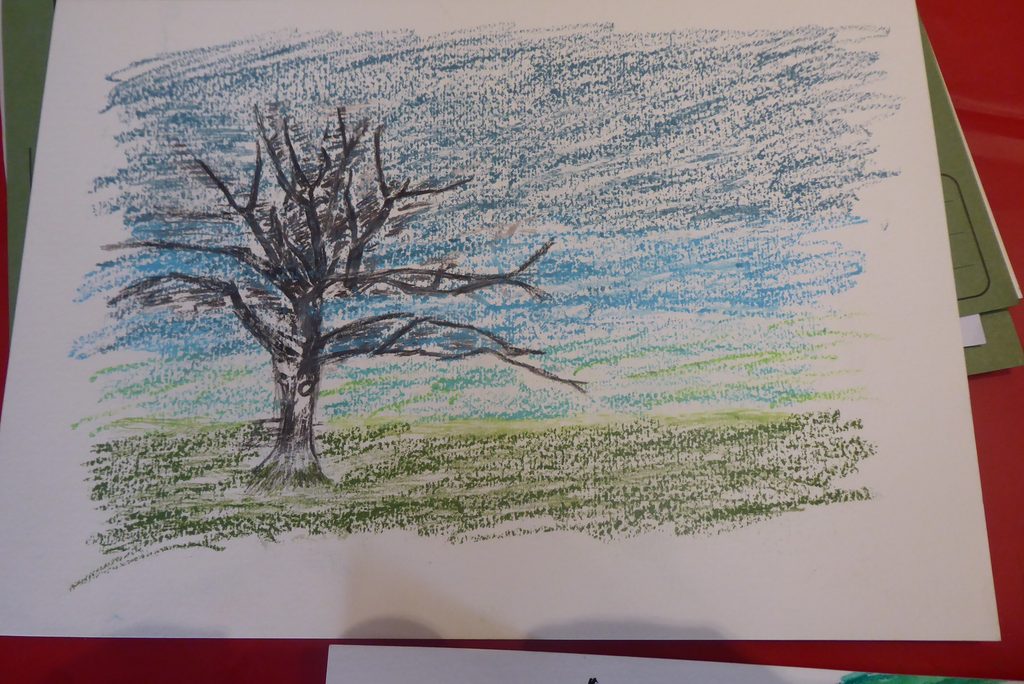
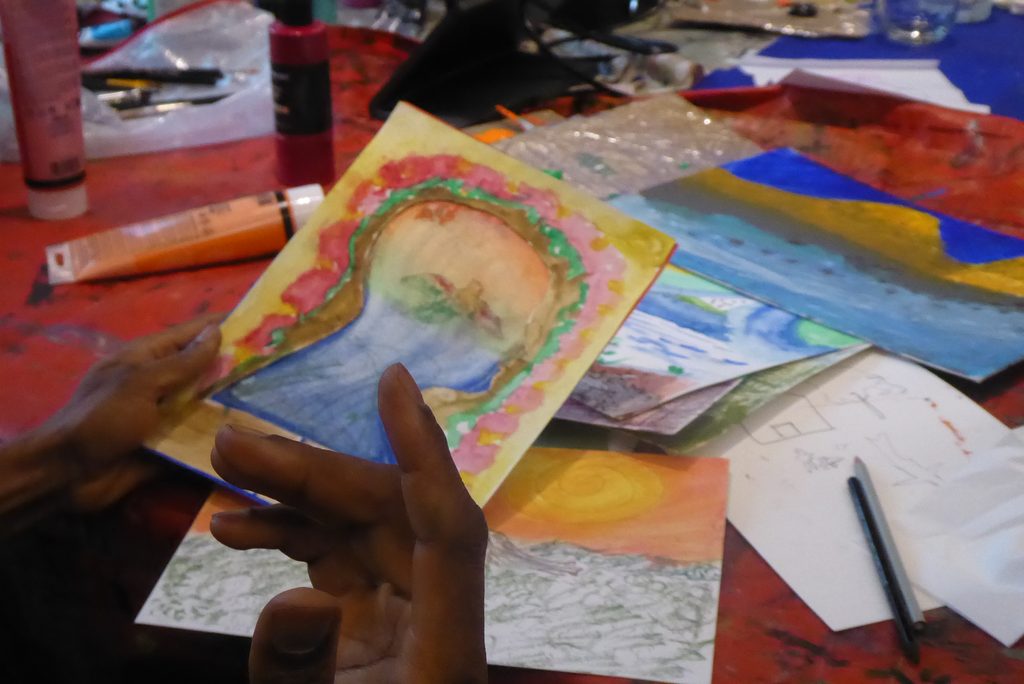
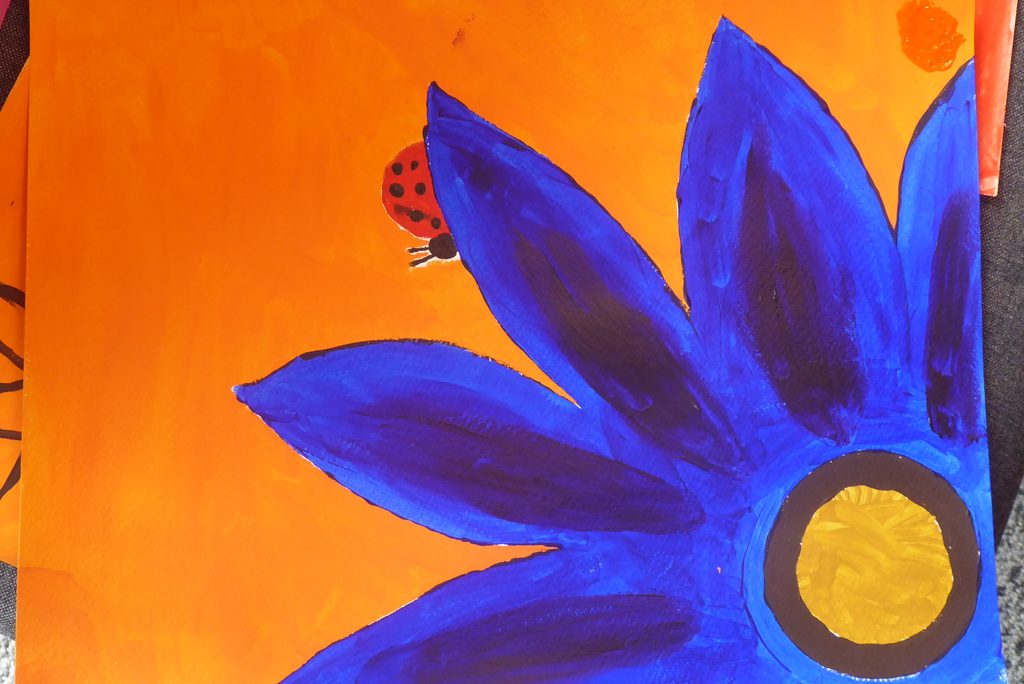
Artwork created by survivor of modern slavery during Art is Freedom workshop.

The guidance he received during the workshops helped JR to translate those ideas into artwork that he felt represented him:

“The horse was something that represents my age and the same tree that made me feel powerful, that made me feel joyful.”

FINDING FRIENDSHIP THROUGH CREATIVITY

When asked what he enjoyed most, JR found it difficult to choose one thing:

“All of it. Meeting new people was very good.

“It was an environment that I felt I didn’t need to talk as a survivor. I don’t need to be a victim here. Everybody in this room has had a hard time, but nobody is talking about it. So that was a very, very good vibe.”

“And the people around us are giving us a safe place. They are not judging us as a person that needs support. That was not the vibe. It was the vibe of friendship. Including meeting with other people and having the facilitators, the tools around us, all of them together.”

Creating alongside other people also encouraged JR to recognise his own potential:

“Creating was the main part. You can see somebody else create art [and think], ‘okay, I can do it, there is potential for me. I can make something out of nothing.’ That’s a very, very wonderful feeling.”

HAVING THE SPACE AND TOOLS TO CREATE

Access to creativity is unfortunately not something that can be taken for granted. For JR, having materials, space and guidance available made it possible to explore something he had not had the opportunity to pursue since he was a child:

“In our life we don’t have enough opportunities or funding. Having the space, having the tools, having the people that give us instructions is very, very useful. That was exactly the reason that I think these beautiful artworks came out.”
The significance of that opportunity becomes even clearer when JR explains the last time he had tried to make art:

“When I was around five, I did want to try to draw something, and I was bullied and I was blocked. They didn’t allow me to do so, and that was it.

“So Art is Freedom was actually a very joyful thing after 50 years for me. Half a century, that’s a lot.”

THE BENEFITS OF ART FOR WELLBEING

Alongside the enjoyment of creating, JR felt the experience supported him during a challenging period in his life:

“It not only gave me hope, but I came out of the darkness after that.

“I have my own problems in life, but it was very helpful to leave everything aside and come to the exhibition. I didn’t miss a minute of the exhibition at all. That was my motivation because it gave me a therapeutic experience – much more than the therapy itself.”

CREATING TOGETHER AND SHARING WORK

The workshops included opportunities to create individually and collaboratively:

“We didn’t only do individual artworks. There was a very big artwork that [we] did and everybody drew something on it. That was a very fun part as well. It was like teamwork.”

Sharing his individual work publicly also holds meaning for JR:

“It means a lot. It gave me the feeling of a rebirth and hope and beauty. I like this to be transferred to whomever is watching it.”

“And when I see it on the display for others, I will feel more powerful. It’s like some sort of acceptance. Although I’ve accepted that I can do it myself, the public eye is looking at it, so it’s been approved or accepted.”

SEVEN YEARS OF SUPPORT FROM HESTIA

JR has been supported by Hestia since 2019. Reflecting on that relationship, he described the challenges of his asylum journey and the importance of having support along the way:

“Hestia is exactly like a mother. It supports us in this journey. It’s a very tough journey.

“Everybody knows that asylum seeking is not an easy thing at all. It’s not that when we reach here, everything is fine. My problems started after I said, ‘Please help me’. That was very hard.
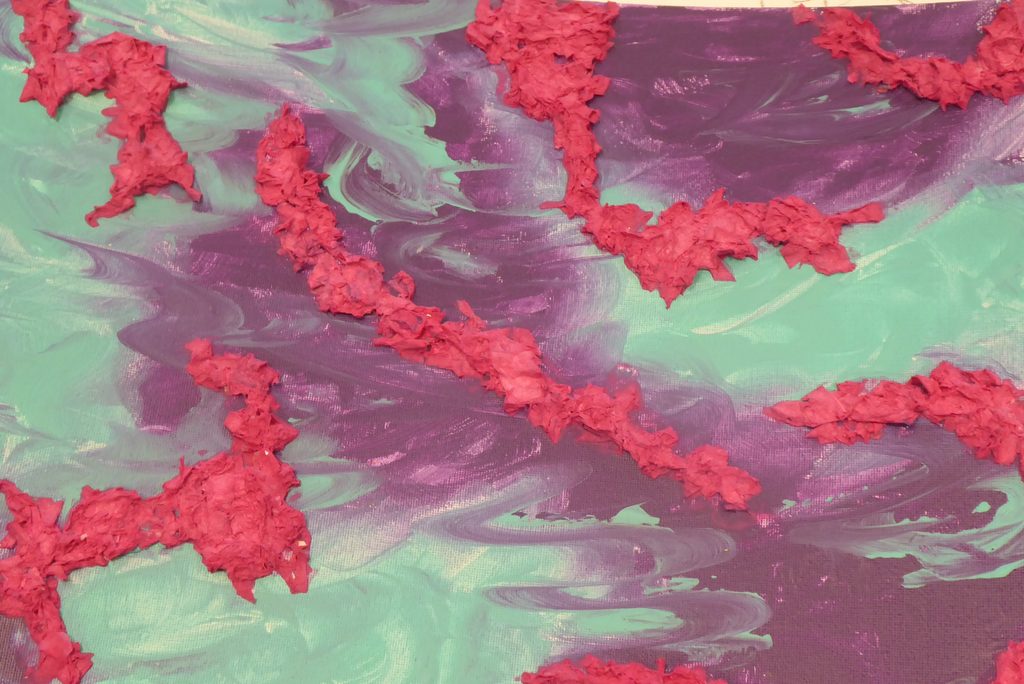
Artwork created by survivor of modern slavery during Art is Freedom workshop.

“I needed the acceptance of the ‘Father’ Home Office, but Hestia helped me the same as a mother. It helped me to go through this journey with their therapy, with their outreach support workers and with any other thing that I needed. So I’m very, very grateful to them.”

JR continues to face challenges, including around housing, but spoke about how it feels to spend time among people he trusts:

“As you can see and hear from my voice, I’m very happy. Why? Because I’m in the safe place with people that I trust. The people that have supported me throughout these years and also gave me a joyful experience with the Art is Freedom exhibit.”

LOOKING FOR MORE OPPORTUNITIES TO CONNECT

JR would like creativity and group activities to remain part of his life. Cost can be a barrier, but his experience has left him eager to take part again when opportunities are available.

And it is the group element that particularly matters to him:

“I insist on team activities, not individual, because of my own experience of mental health when I’m lonely. When it’s teamwork such as the activities that we had, the sound exhibition, the artworks, all of them – that gives me much more powerful help for mental health.”
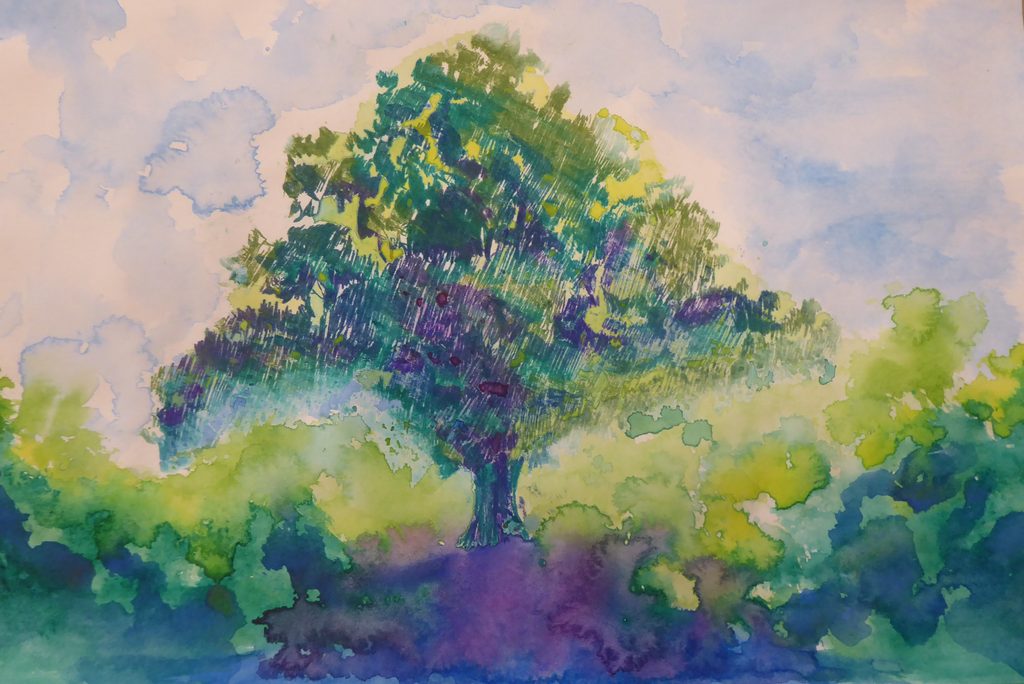
Artwork created by survivor of modern slavery during Art is Freedom workshop.

After 50 years without art, JR’s return to creativity has opened up something he wants to continue:

“I’d love to do it again. Whenever I can I will go back to it.”

Create is proud to support Hestia’s annual Art is Freedom exhibition, in collaboration with Ashurst Perkins Coie. We deliver workshops that help survivors of modern slavery connect, and explore through art.

* Participant name changed to protect anonymity.

DONATE TO CREATE

£
Select Payment Method
Personal Info

Credit Card Info
This is a secure SSL encrypted payment.
Billing Details

Donation Total: £25.00

Art is Freedom: Creativity, Identity and Wellbeing

Art is Freedom: Creativity, Identity and Wellbeing

Art is Freedom is Hestia’s annual art exhibition, featuring work created by survivors of modern slavery, delivered in collaboration with Ashurst Perkins Coie.

Create delivers painting workshops as part of Hestia’s Art is Freedom campaign, where survivors can learn and refine their skills, before submitting their best pieces for the exhibition.

Hestia’s Underground Lives research into mental health found that three quarters of survivors surveyed said they were “really struggling” with their mental health when they were first identified through the National Referral Mechanism, falling to 20% after receiving support from Hestia.

More recent research commissioned by Hestia and carried out with The Evidence Centre reviewed 480 studies examining purposeful and enjoyable activities for people recovering from trauma and crisis. Nine in ten studies identified clear benefits, with factors including social connection, enjoyment and achievement highlighted within the research.

LV*, 30, has been supported by Hestia for around a year. She told us about finding space to paint again, exploring her identity through art and creating work she feels proud to share.

FINDING HER WAY BACK TO PAINTING

Art was not new to LV, but her circumstances had made it difficult to create in the way she wanted:

“It was my first chance to engage with art again, especially painting. During the last year, I’ve lived in a very limited space where I didn’t have enough room to have a paint set or canvas or anything, and it was also nice to have the community of people around me that have gone through similar things that I felt safe with.

“It was honestly just a really great experience for me and I enjoyed it so much. I’m really proud of the work I created, which usually is something that I would struggle with a little. When I would create art, I would always be very critical of it. I just really love these pieces.”

Nature, flowers and memories became important sources of inspiration:

“Honestly, it’s my love for nature and flowers particularly, as well as being very interested in how memories appear to me. With one of my pieces, the way it looks reminds me of how my memories of the sky and sunlight look, which is really important to me. I think it’s a very nostalgic feeling.”

EXPLORING IDENTITY THROUGH “THIS IS ME”

When LV first heard the theme of the project, ‘This is Me’, she found the prospect challenging. As she spent time thinking about it, however, she found a way to approach identity through the things that mattered to her:

“When they first told me that [‘This is Me’] was the theme, I got so nervous because it’s something that I struggle with because of my experiences. I struggle with having an identity and understanding what I am.

“But I ended up thinking a lot about it and deciding that I could find those things in what I love and what’s around me. Like flowers, for example, and nature and the sky and everything like that. So I ended up taking those things into me.

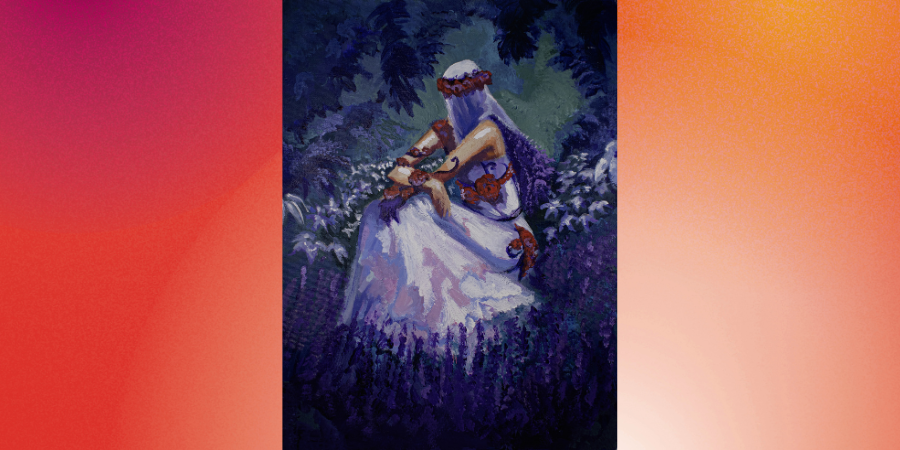
“My final piece is a more direct representation of myself as a mannequin, because that’s more how I feel. Whereas everything around it is the things which I love.”

A SPACE AWAY FROM EVERYDAY STRESS

The workshops also gave LV a space when she could put other pressures aside:

“It was a space to get away from everything stressful. In the past year I’ve been going through a lot, like moving and having to set up things, and just a lot of new experiences that are very complicated and very stressful.

“But it was just a space where I could go and just paint and just see other people’s creativity and not worry about any of that for a couple of hours.”

She described the experience of creating as “really relaxing”:

“With everything else in my life being stressful, it was like a little bubble that I could go into and not have to worry about things and just focus on something that I really enjoy.”

CREATIVITY AND WELLBEING

Having the workshops as a regular part of her week gave LV something positive to anticipate:

“It definitely helped with the anxiety and stress I experience because I do worry about things and overthink things. But it forced me to reset and just focus on art for a while and not worry about stuff, which ended up making me feel a lot calmer and not worry as much.

“Because even if I had a lot of stressful things coming up, I would know, ‘Wednesday I get to paint, and that’s going to be fun’. So it’ll give me a little bit of a break. And that really helped with not worrying too much about stuff in those weeks.”

WHY HAVING THE CHANCE TO CREATE MATTERS

When asked why creative opportunities are important, LV reflected not only on her own experience, but on what she observed among the other participants:

“When you have trauma, you end up with a lot of self-worth issues. And I know a lot of people who are in the [workshop] with me, they say, ‘I’m not creative, I can’t draw’.

“But it turned out they could create all these beautiful artworks, and they found memories and things that they loved, that they had forgotten about and repressed because of all the stress of daily life.

“And I think that it really helps bring out what someone truly feels like, and their love for things.”

CONNECTING WITH OTHERS AND SHARING HER WORK

Although LV doesn’t consider herself particularly social or talkative, creating alongside other people gave her a natural starting point for connection:

“It was really nice. I’m not a super social or talkative person, but I did find that I was able to talk about the art, to ask people, ‘What was your inspiration for that?’. Or just compliment it and say, ‘that looks lovely’.

“It was a really positive space, and I just felt really comfortable and safe there.”

She is also looking forward to other people experiencing what she has created:

“I’m excited because it’s my first [piece of] art in a long time that I’m very proud of, and I hope that other people will like it and perhaps understand the feelings that I put into it as well.”

FINDING SUPPORT THROUGH HESTIA

LV has been supported by Hestia for around a year. During that time, she has received support including access to therapy:

“It’s been incredibly helpful. They helped me to access therapy, which has helped so much.

“To give context, I was very isolated for most of my life, and this is something that I also put in the description of my artworks as well. So I didn’t really learn how to do things the same way that other people do, and suddenly being free into the world is so confusing. There’s so many responsibilities and so many things that just don’t make sense.”

Being able to ask questions of people who understand her experiences has made navigating those responsibilities feel less isolating:

“They’ve also been able to answer a lot of questions for me and help me with very complicated stuff. And it’s made me feel like I’m not as alone in navigating how complicated everything about being an adult is.”

CREATIVITY IN EVERYDAY LIFE

LV lives with chronic pain, which can make everyday activities difficult, but having the opportunity and environment to create continues to matter:

“At the moment, I am disabled and chronic pain is really bad for me. So, a lot of my days I honestly just cannot get out of bed because of pain. It was really nice to have a space that I could go to every week and do something productive and joyful.”

“I’m hoping that over time I’ll be able to make a space where I can be more creative. And even if a lot of my days, chronic pain is keeping me down, the days when it’s not, I’ll be able to do more enjoyable things.”

Create is proud to support Hestia’s annual Art is Freedom exhibition, in collaboration with Ashurst Perkins Coie. We deliver workshops that help survivors of modern slavery connect and explore through art.

* Participant name changed to protect anonymity.
DONATE TO CREATE

£
Select Payment Method
Personal Info

Credit Card Info
This is a secure SSL encrypted payment.
Billing Details

Donation Total: £25.00