Tag: reading

HOW OUR:STORIES IS REIMAGINING READING FOR PLEASURE – AND WHY IT MATTERS NOW MORE THAN EVER 

HOW OUR:STORIES IS REIMAGINING READING FOR PLEASURE – AND WHY IT MATTERS NOW MORE THAN EVER 

This year marks the National Year of Reading, the biggest campaign in a generation designed to help more people (re)discover the joy of reading and make it part of their everyday lives.  

The initiative presents a time to reflect on how and why children read, and who is being left out of the story. Reading can open new worlds but for many children with special educational needs and disabilities (SEND), those worlds remain out of reach.  

While much of the national conversation around literacy focuses on attainment and school results, there is growing recognition that how children engage with reading is just as important as whether they can do it. Reading for pleasure – or volitional reading – supports wellbeing, identity and long-term motivation. But for many SEND children, access to those experiences is still lacking. 

That’s where Create’s new programme, our:storiescomes in. Designed for children with SEND, our:stories brings our professional artists into SEND schools, enabling children to explore storytelling through creativity and play, and with a sense of agency.  

But why is this work important? To find out, we spoke to Dr Helen Hendry, a Senior Lecturer in education at Open University (OU) who is part of the ‘learning partner’ team working with of the Mercers’ Company Literacy and Oracy Special Initiative, about the broader state of research around reading for pleasure – and why programmes like ours are more important than ever. 
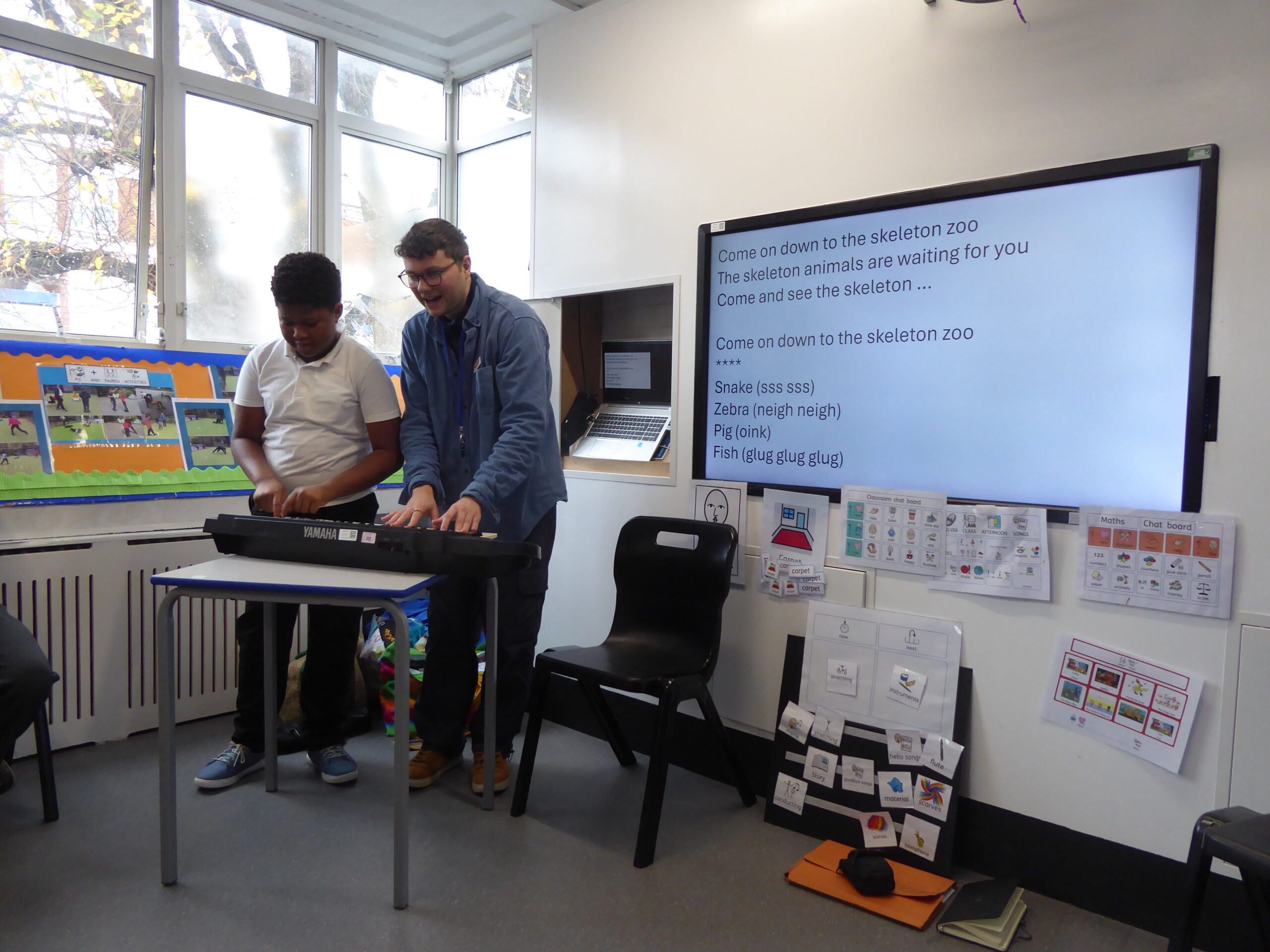
SEND young person with Create artist, playing a keyboard in a school setting, exploring reading and stories through music.

The decline in reading for enjoyment 

Despite the wealth of research showing the benefits of reading for pleasure – including improved vocabulary, empathy and cognitive development – recent statistics show a sharp national decline in engagement: 

  • In 2025, only 32.7% of children and young people aged 8-18 said they enjoy reading in their free time, the lowest level recorded by National Literacy Trust. 
  • Fewer than one in five (just 18.7%) read daily for pleasure. 
  • Since this data began being collected in 2005, reading enjoyment has dropped by 36%. 

“There isn’t much research on volitional reading and writing for children with SEND: not about the skills, but about wanting to read for pleasure,” Helen commented.  

A lot of the research available doesn’t give us the tools to work with children with special needs.

HELEN HENDRY

Helen explained that while there is a strong international research base indicating the many benefits of reading for pleasure – including improving vocabulary and cognitive development – few studies explore how this applies in specialist settings. 

Introducing our:stories 

Developed by Create in response to the gaps in both access and research, our:stories is a high-quality, inclusive creative programme that uses visual art, drama, dance and other artforms to explore texts and books as tools for engagement and wellbeing, not just literacy attainment. 
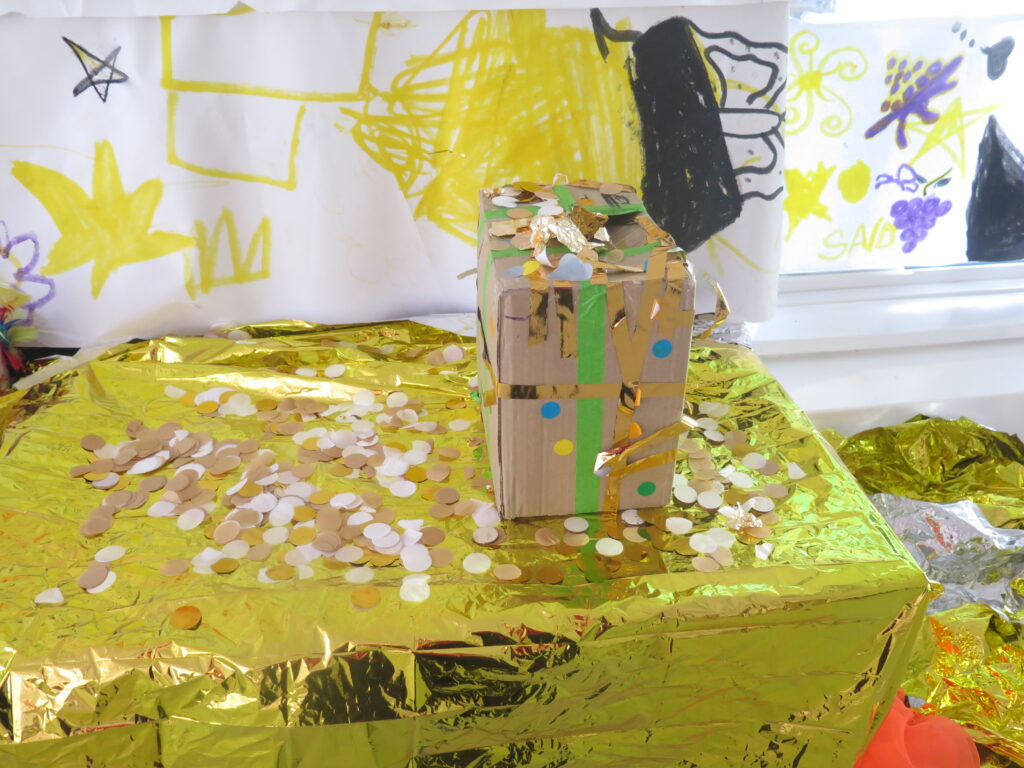
Artwork from our:voices project where SEND children engage with reading in new and accessible ways.

It has been specifically designed for children with SEND, who are often overlooked in traditional reading initiatives. Each projects is led by one of our professional artists and co-designed with schools. Texts are chosen collaboratively and explored creatively, allowing children to connect with stories in ways that feel accessible, meaningful and fun. 

Workshops are multi-sensory and participant-led, helping children to develop social skills, oracy, creative expression and self-esteem. Teachers attend alongside their students, gaining new tools to support literacy in the classroom long after the project ends. 

A novel approach that fills a gap 

Helen’s current research focuses on reading and writing for pleasure across a range of organisations. With funding from The Mercers’ Company, she has been analysing how different charities approach reading and writing for pleasure; and says Create’s model is distinct: 

In the research I’ve read, and undertaken, I haven’t seen any other projects that combine creatives, children with SEND and reading and writing for pleasure in this way.

HELEN HENDRY

Helen also emphasised the importance of working in a way that is responsive and flexible: 

It’s important for those working with children to understand what research tells us about practices that support them to want to read and write, and to implement these based on the needs of the children or young people. There are a lot of nuances.” 

why it matters now 

As the National Year of Reading gathers momentum, our:stories shows how creative approaches can foster a love of stories and storytelling, particularly among children who face additional barriers. Children with SEND are more likely to experience exclusion from traditional classroom environments, where there is often limited space for agency, play and creative exploration. our:stories responds directly to this gap, creating workshops that are shaped by children’s interests and communication styles, and allowing reading and writing to be experienced as something joyful, expressive and collaborative.  
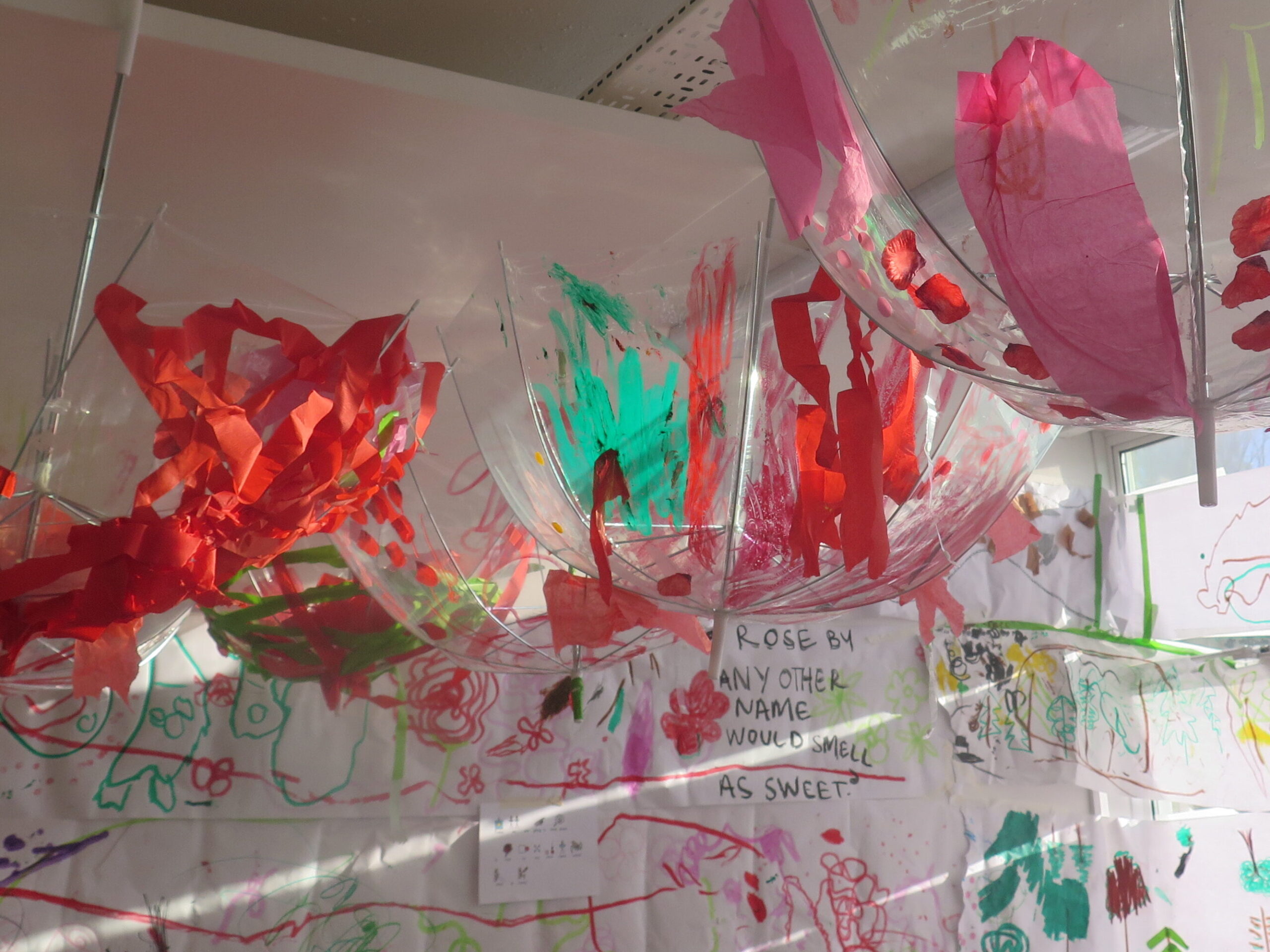
Artwork from our:voices project where SEND children engage with reading in new and accessible ways.

Reflecting on her observations of our:stories, Helen explained: 

“In our:stories, really listening to what children are communicating can be watching how they respond. The facilitator artist flexed the session to flow with what the children were interested in, giving them agency and choice over what was happening. This isn’t something that can always happen in traditional school activities, due to curriculums and wider targets.” 

This responsiveness sits at the heart of our:stories. By prioritising enjoyment and creative interpretation, the programme offers SEND children the opportunity to build confidence, develop a positive relationship with reading and writing, and see themselves as storytellers. 

our:stories is funded by St Paul’s Schools Foundation [via The Mercers’ Company]. 

With thanks to Helen Hendry for offering her expertise and insights. 

You can read more about The Open University’s previous reading and writing for pleasure research for The Mercer’s Company here

DONATE TO CREATE

£
Select Payment Method
Personal Info

Credit Card Info
This is a secure SSL encrypted payment.
Billing Details

Donation Total: £25.00

our:stories – bringing reading to life through art and movement 

our:stories – bringing reading to life through art and movement 

As the National Year of Reading invites us to reimagine how children engage with books, our:stories shows us what’s possible when reading and writing for pleasure are explored beyond the page. Across our recent our:stories projects at The Avenue School in Brent and The Livity School in Lambeth, pupils with SEND explored stories through visual art, dance and movement. This supported their literacy, wellbeing and confidence in ways that traditional classroom approaches alone often can’t.

our:stories is Create’s programme for SEND pupils across London, using the arts to support reading and writing for pleasure and to help children develop their identities as readers and storytellers. 

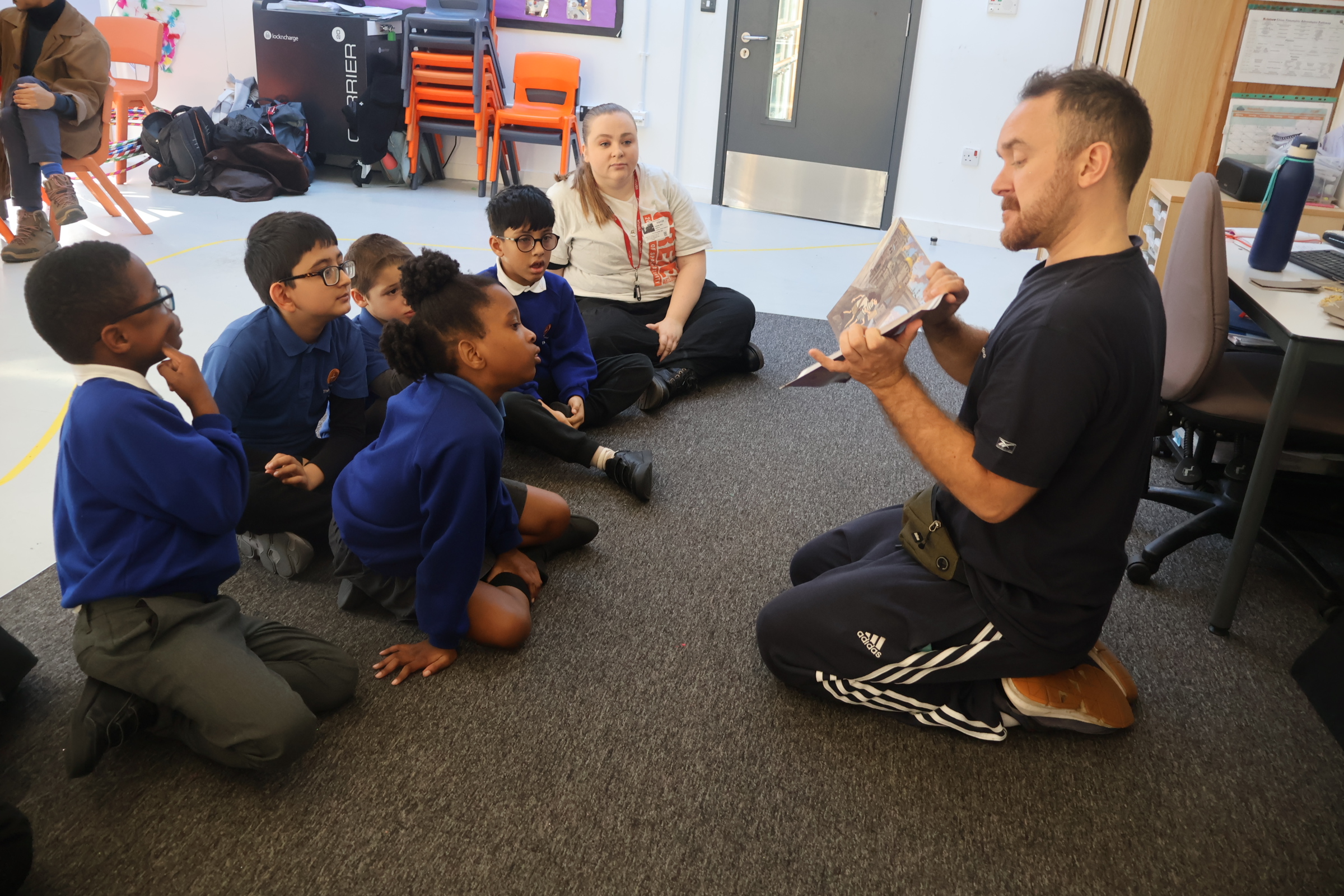
A Create artist shows SEND children  a story book with pictures, to explore stories through dance on an our:stories project.

ENGAGING WITH STORIES THROUGH VISUAL ART 

Over six sessions between November and December 2025, Create artist Chloe Cooper worked with pupils at The Avenue School, using visual art to explore The Boy Who Loved Broccoli. For Marzena, a teacher and literacy lead at the school, the project offered something distinct from everyday classroom literacy: 

“The different types of stimuli were great for pupils to have the sensation of the story. We could see lots of enjoyment in the sessions.” 

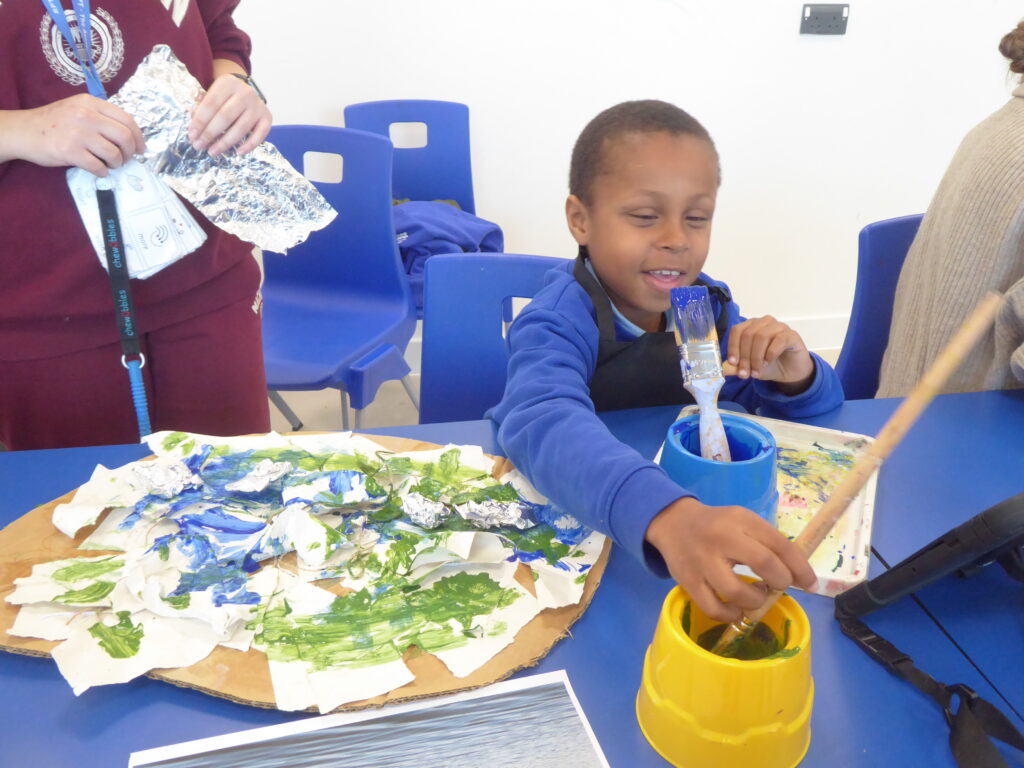
Using colourful tape, paint pens and model-making, pupils acted out and reimagined the story, making connections between the written word and real-world experiences. The pace of the sessions allowed the pupils to have space to make choices, follow their curiosity and express their opinions: 

A SEND student explores reading through visual art. They sit at a table with paintbrushes and painting on top.

“[These sessions] bring a different perspective from what we are doing in class. They move at a slower pace and allow pupils to be creative and messy. Pupils can make their own choices and have their opinions. If they wanted different materials, they were offered [them], so that was great.” 

They could express themselves, so the creative arts were boosting their wellbeing.

Marzena, teacher & literacy lead at the avenue school

EXPLORING STORYTELLING THROUGH DANCE AT THE LIVITY SCHOOL 

At the Livity School in Lambeth, Create dancer Paul Smethurst led six days of dance and movement workshops, supporting students to interpret stories physically, rather than verbally. Teacher Adam reflected on how movement presented new ways for pupils to engage with reading and comprehension: 

“They’ve been reading different books, interpreting them and exploring them through dance and movement.” 

“It’s very individually tailored. Paul has been really good at getting them all involved

I think when the kids see somebody else with that sort of enthusiasm, they really take to it.

adam, teacher at the livity school

For pupils who are confident with literal answers but find abstract thinking more difficult, dance offered a route into self-expression: 

“There are many in the class who are very good at reading or answering a black-and-white question, but actually to express their own ideas is something they need a lot of encouragement to do.” 

Through movement, the students explored how characters feel, what stories suggest “between the lines”, and how different people interpret the same text in different ways – all core skills for reading comprehension and communication: 

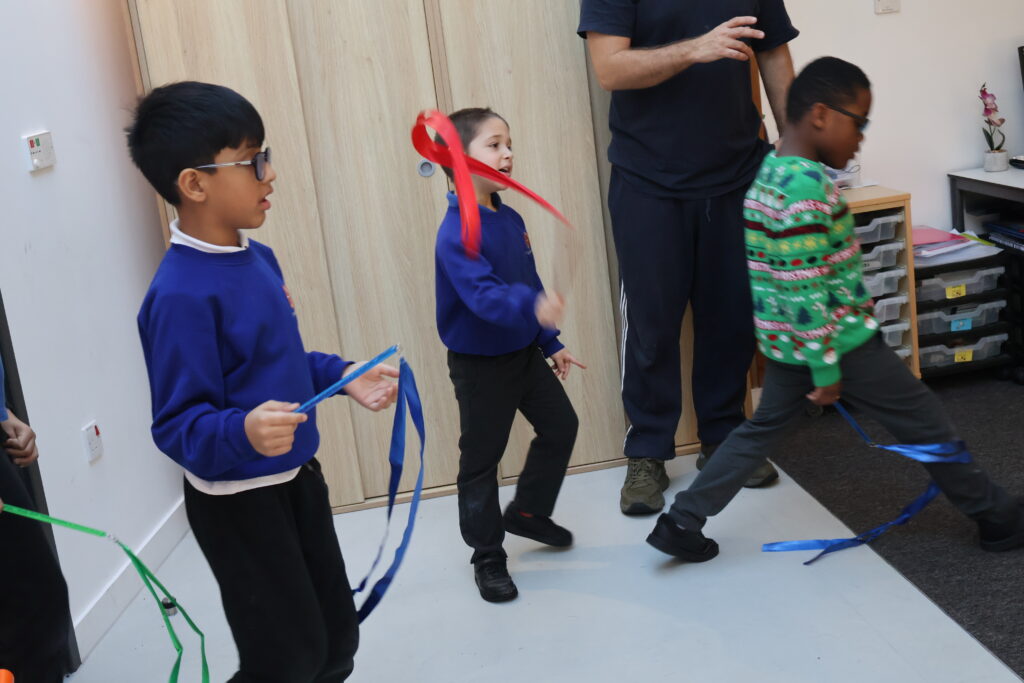
SEND students explore reading and stories through dance. They hold ribbons and dance in a room.

“There are definitely things from the project that we’ll keep going and implement in communication sessions. From here on, there’ll be a lot of work on “how do you see this” or “how does this make you feel?” That’s the sort of communication they need to have. They need to be able to say it themselves but also understand what their peers are saying as well.” 

WHY READING FOR PLEASURE NEEDS INCLUSIVE APPROACHES 

Nationally, reading for pleasure is in decline. Recent research shows that less than a third of children say they enjoy reading, with pupils with SEND significantly less likely to engage with books independently or see themselves as “readers”. 

For many SEND pupils, traditional literacy approaches can feel inaccessible, particularly when reading is presented as a task rather than an experience. our:stories responds to this challenge by placing creativity, choice and wellbeing at the heart of reading and experiencing stories. 

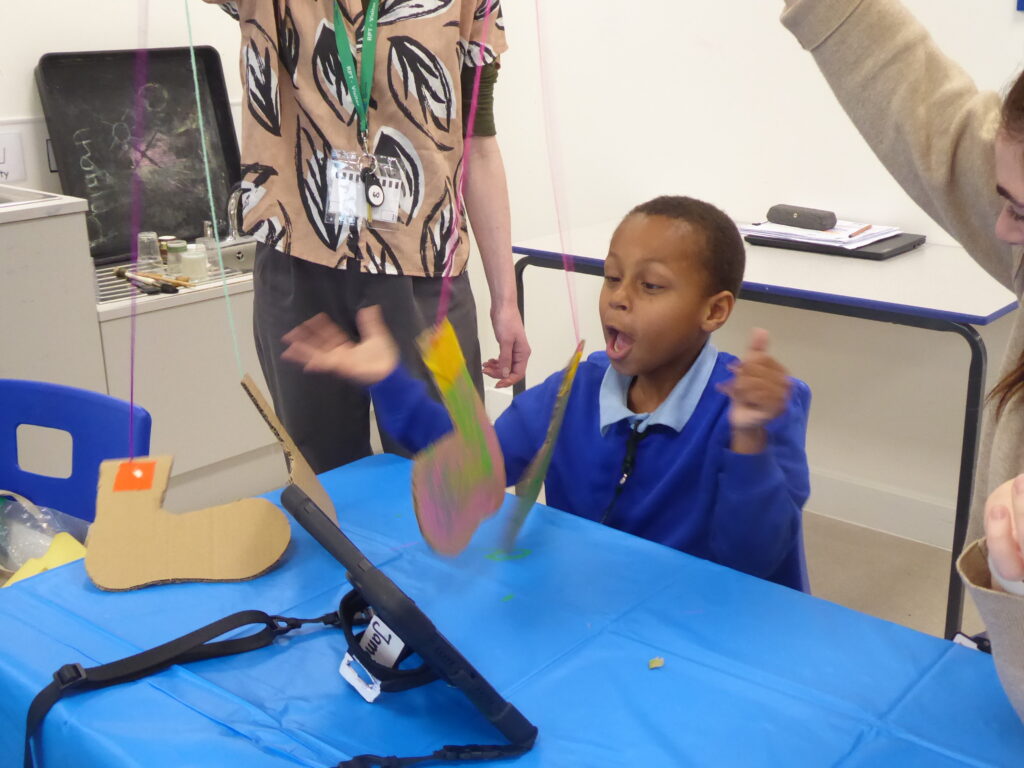
A SEND student on our:stories exploring stories through visual art. The artist holds carboard cutout shoes on string, like puppets. The student is smiling.

By exploring stories through art and movement, pupils are supported to: 

  • Engage with books in ways that suit their communication styles 
  • Build emotional understanding and imagination 
  • Develop confidence as readers and storytellers 
  • Experience reading as pleasurable, social and meaningful 

As the National Year of Reading encourages schools and communities to widen access to books, our:stories demonstrates that reading should be accessible, creatively led and most importantly, for everyone. 

our:stories is funded by St Paul’s Schools Foundation [via The Mercers’ Company]. 

DONATE TO CREATE

£
Select Payment Method
Personal Info

Credit Card Info
This is a secure SSL encrypted payment.
Billing Details

Donation Total: £25.00