
THE BENEFITS OF DANCE FOR WELLBEING: BUILDING CONFIDENCE AND CONNECTION THROUGH CREATIVITY
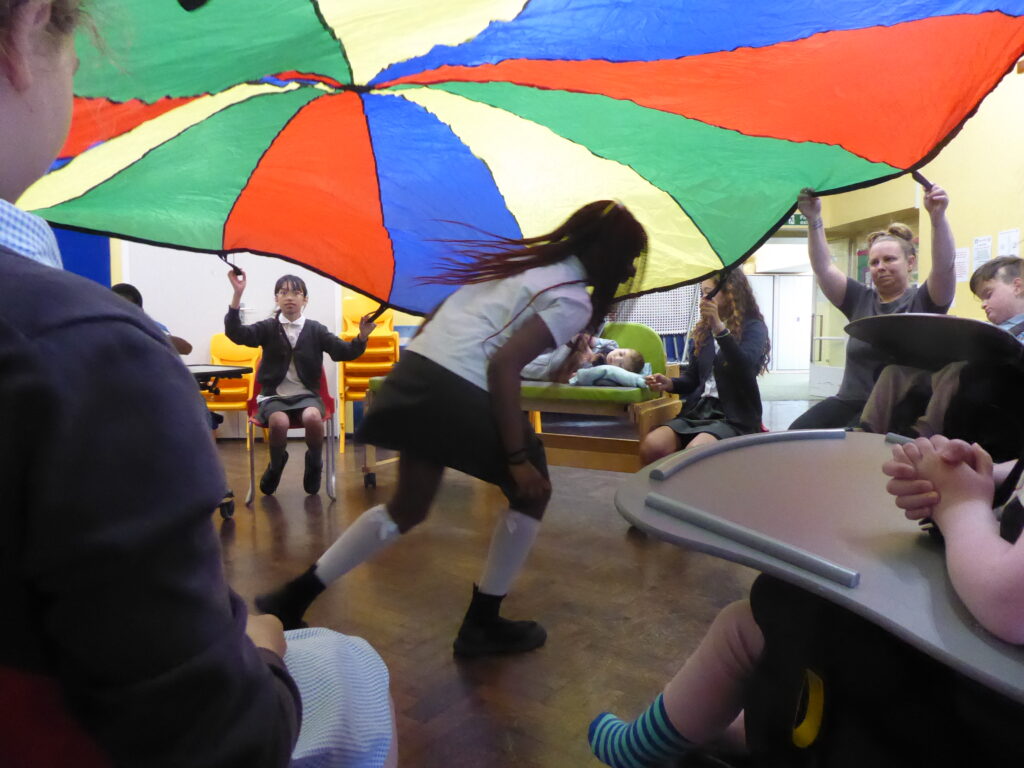
What does it mean to dance?
For some of the participants on Create’s projects, it means performing in front of an audience for the first time. For others, it’s an opportunity to express themselves, meet someone they might not otherwise, or simply move without worrying about getting it “right”.
Across Create’s programmes, our professional artists use dance to bring people together, providing a shared language through which people can communicate, experiment and connect.
Research increasingly supports the benefits of dance for wellbeing. A systematic review exploring dance and wellbeing identified seven interconnected benefits, including belonging, identity, self-worth and creativity. Another major review found evidence linking dance participation with positive outcomes across areas including mental health, physical health, cognitive function and social wellbeing.
The experiences of three young people who took part in Create projects show what these benefits can look like in practice.
INCLUSIVE DANCE: BREAKING DOWN BARRIERS AROUND DISABILITY
In June 2025, 11-year-olds Ava and Ela from Dilkes Academy took part in our creative:connection programme in Essex.
Across six days, non-SEND pupils from Dilkes Academy came together with SEND pupils from Beacon Hill Academy for dance workshops led by Create dancer Katie Dale-Everett.
creative:connection uses creativity to bring disabled and non-disabled young people together, providing opportunities to build relationships and challenge assumptions around disability.
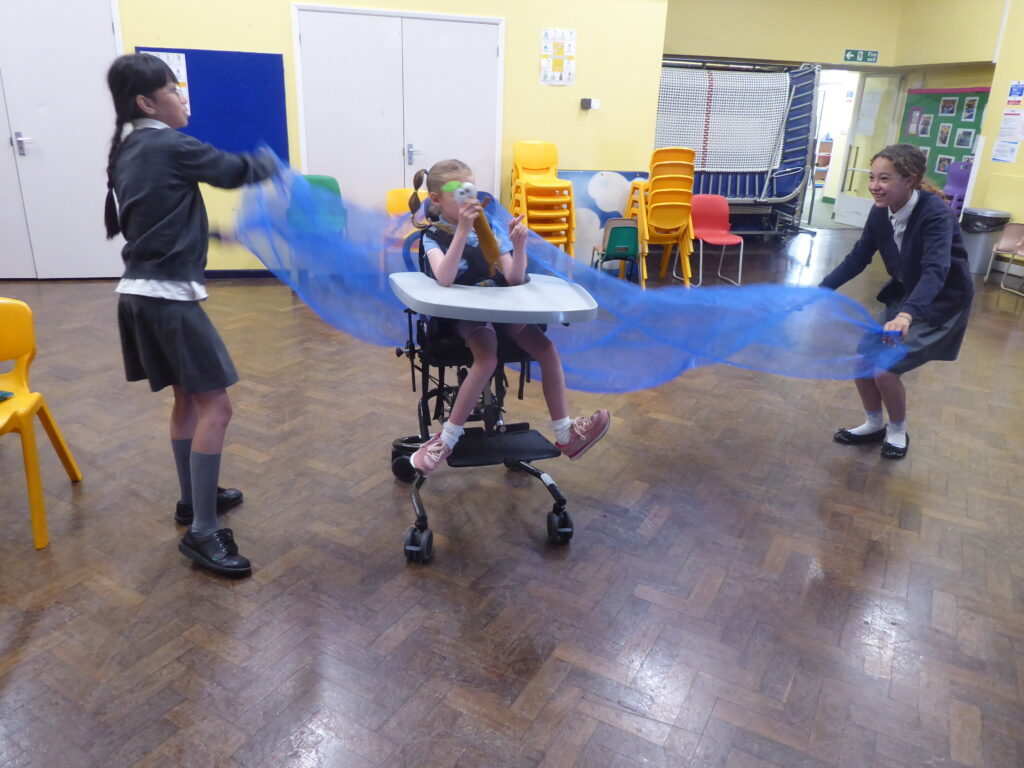
For Ava, the project quickly became about much more than learning dance moves.
“This has been a fun, creative [project] where we get to meet loads of new people, help each other out and connect.”
Through working with pupils from Beacon Hill, Ava learnt new ways to communicate, including sign language. The experience also changed some of her perceptions about disability:
“[Disabled children] can do a lot more than you think and you can make them happy just by being there [for them].”
Ela had a similar experience:
“[I’ve learned] that dancing doesn’t always have to be perfect. It can just be for fun, and everyone can do it.”
“Even though sometimes [disabled people] have to do things a bit differently, you should still include them in everything that everyone does.”
HOW DANCE CAN BUILD CONFIDENCE IN CHILDREN
Earlier this year, nine-year-old Nerea discovered another side of dance through Create’s More Creative programme.
Between May and July 2026, children from Grange Primary School came together with adults with learning disabilities from Bede House for five weeks of dance workshops led by Create dancer Paul Smethurst.
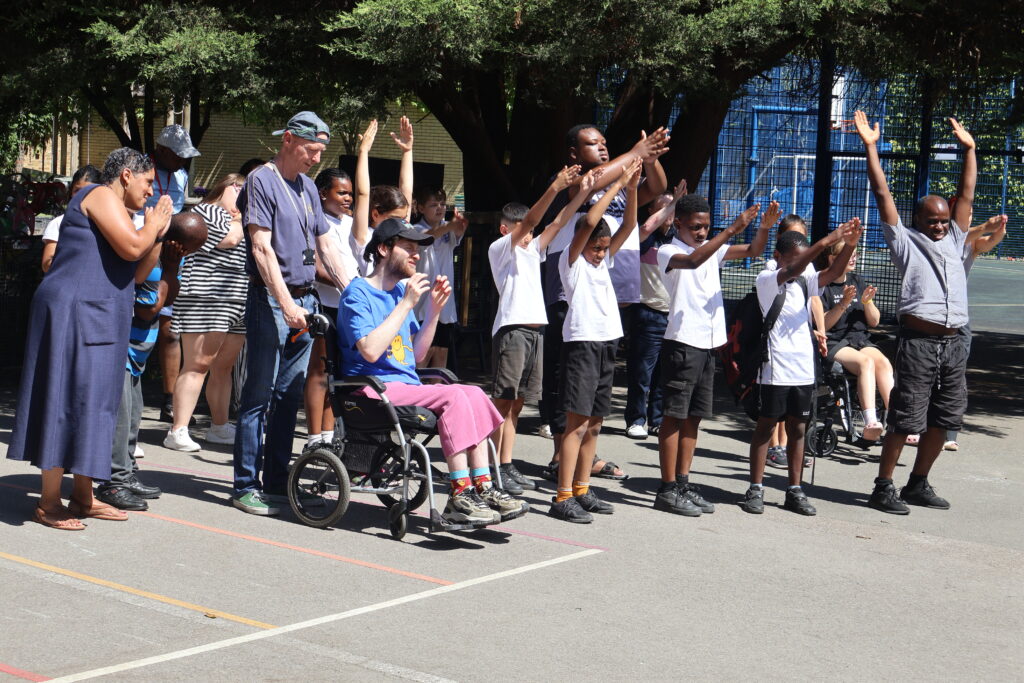
At first, dancing was outside Nerea’s comfort zone:
“I learned to not be afraid of dance, because I used to be scared. Now I’m getting better and I’m more confident.”
For Nerea, confidence also came from realising there was no single correct way to participate:
“It doesn’t matter if you have disabilities, you can still dance. Just dance [however] you want to, like no one’s watching you!”
THE BENEFITS OF DANCE FOR MENTAL HEALTH AND WELLBEING
Dance is, of course, physical. But research suggests its benefits can extend well beyond physical activity, supporting mental wellbeing, cognitive health and social cognition.
That comes through strongly in the experiences of Ava, Ela and Nerea. When reflecting on their projects, they didn’t focus primarily on mastering steps or becoming better dancers.
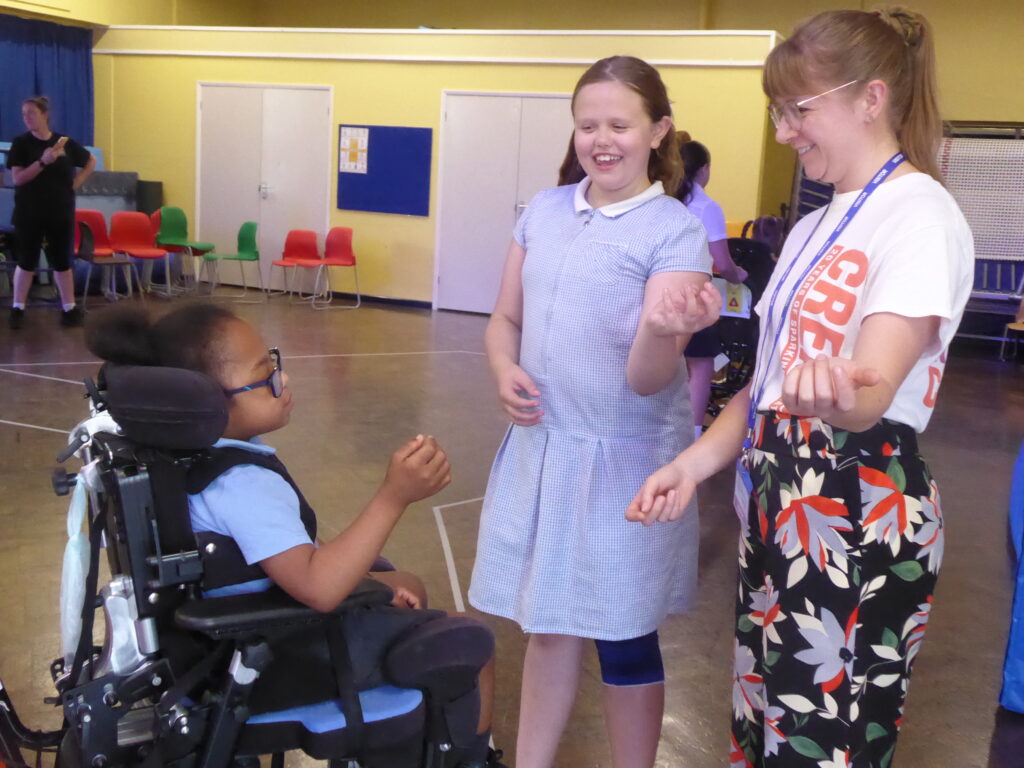
Instead, they talked about confidence, friendship, inclusion, expression and understanding.
As Ava put it:
“I’ve learned that dancing is not just about the dancing [itself], it’s about having fun.”
Across Create’s projects, that is exactly what dance can offer: a space where there is no expectation to be perfect, where different ways of moving are valued, and where people who might otherwise never meet can create something together.
Thank you to Bruce Wake Charitable Trust, Charles S French Charitable Trust, The February Foundation and Southwark Council Neighbourhoods Fund for funding these projects.
