
In a world of digital distractions, making time for creativity is vital
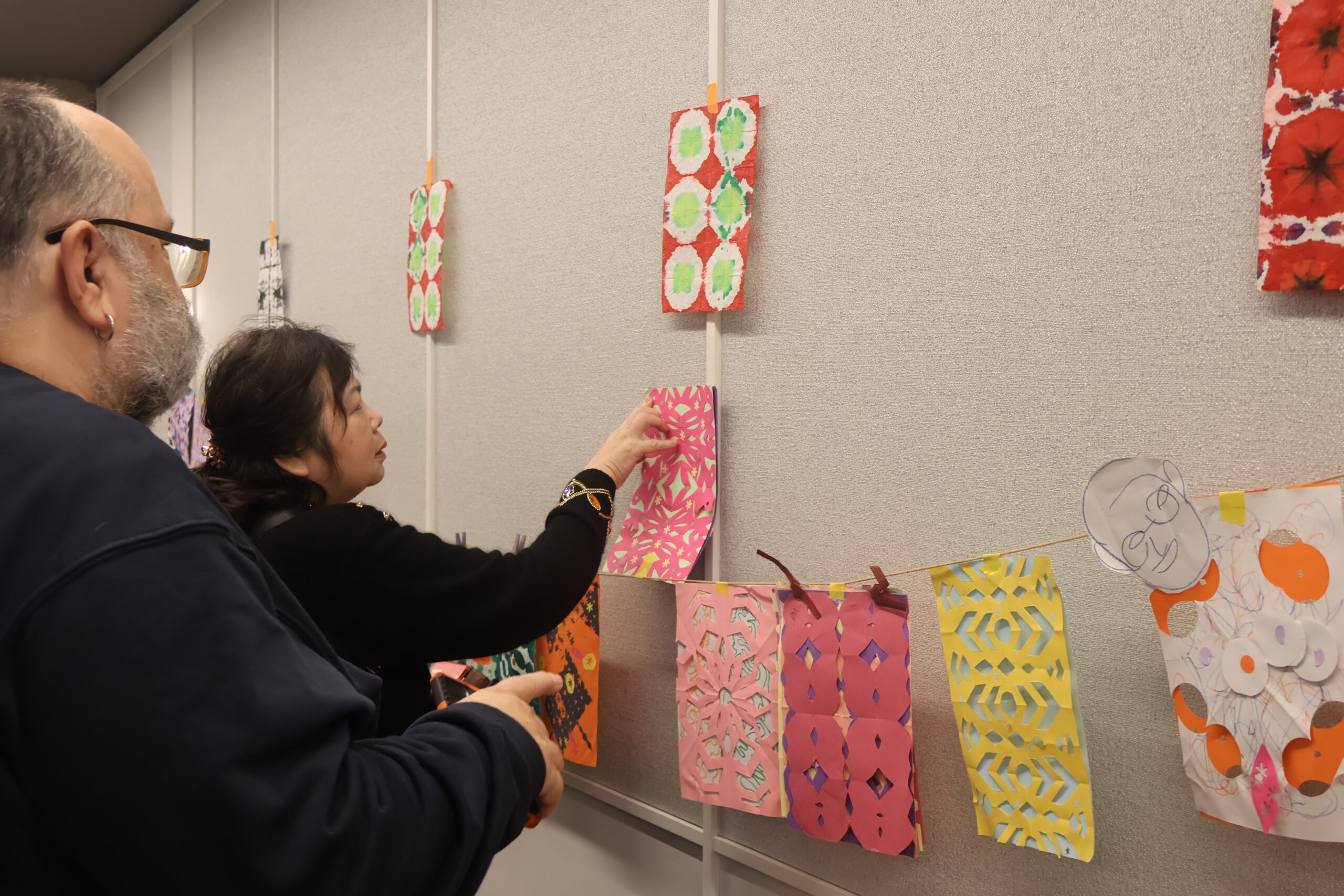
It has never been easier to connect with others. We can send a message to someone on the other side of the world instantly. We carry endless entertainment in our pockets. Technology promises to make life easier, more productive and more connected. Yet many of us have never felt more stressed, more distracted, or more alone.
Recent figures show that 22% of adults in England experience loneliness at least some of the time, with younger adults among the most affected. At the same time, research continues to show that constant digital interruptions are shrinking our attention span, increasing cognitive load and contributing to stress and poorer mental wellbeing.
Technology has in many ways made life easier. But somewhere along the way, we have confused being connected with feeling connection.
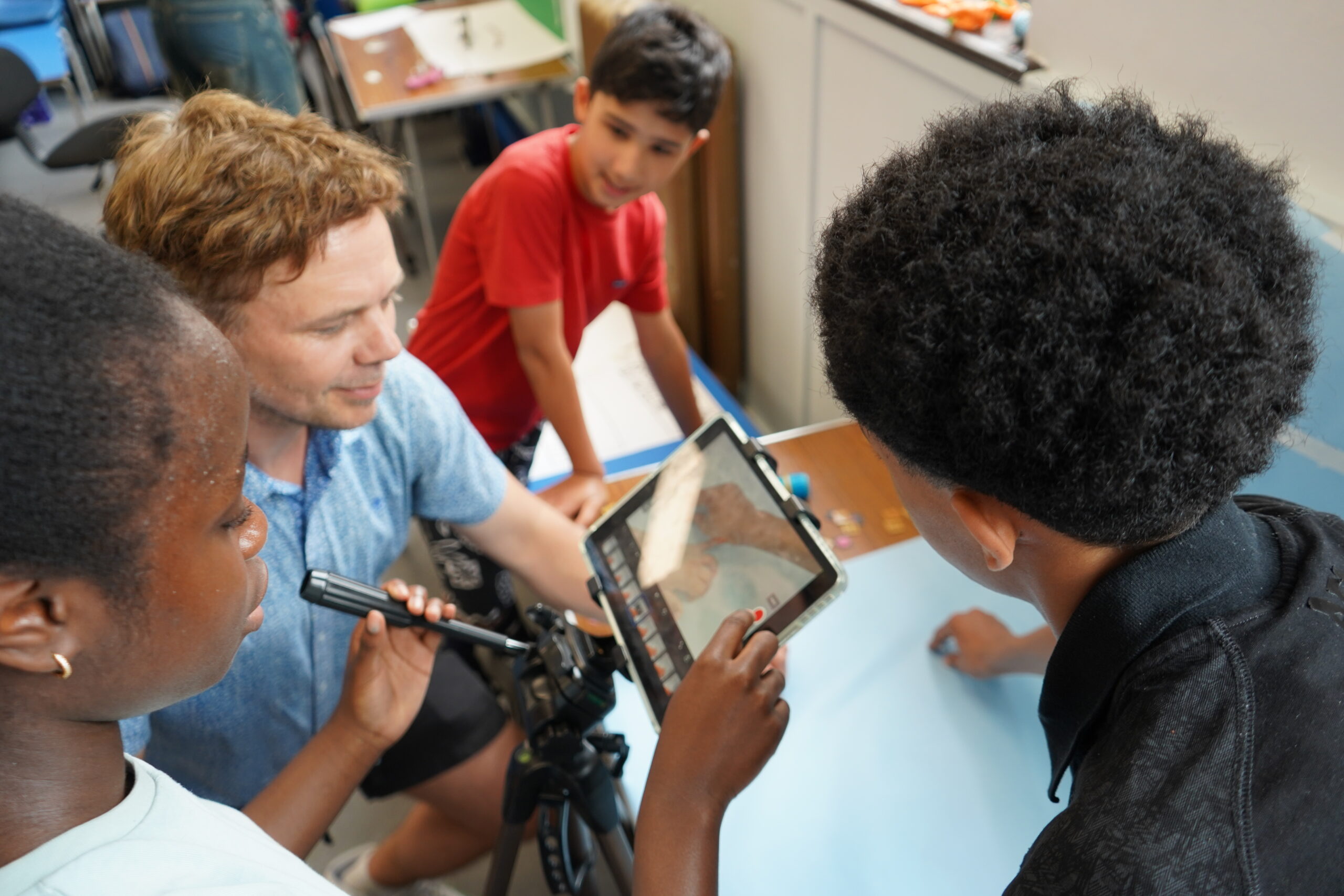
That’s where creativity comes in.
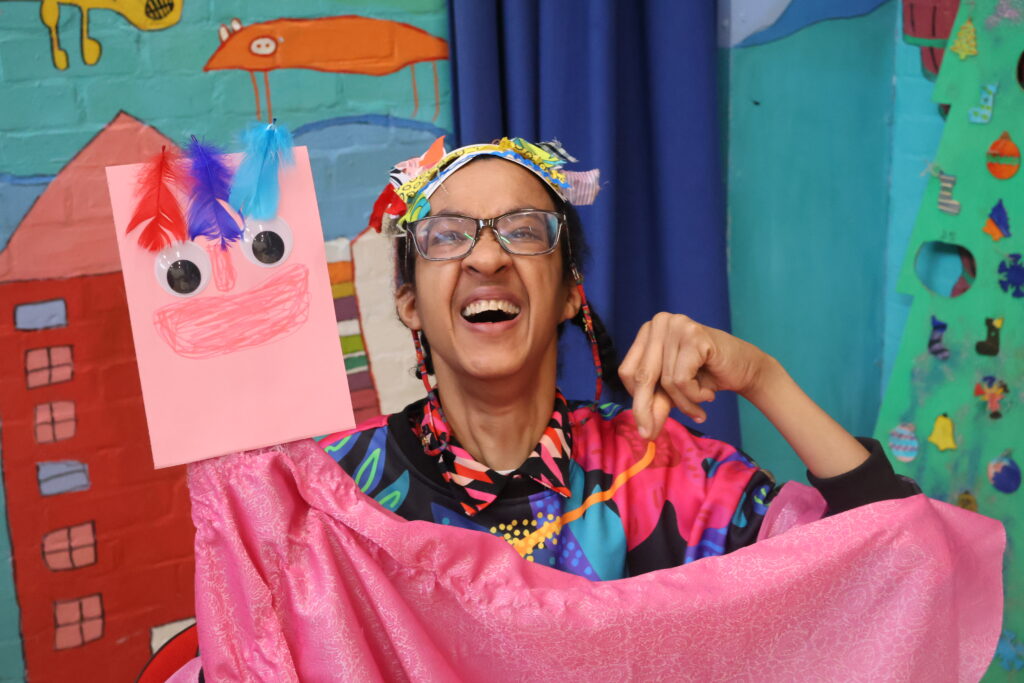
Twenty-three years ago, I founded the charity Create, to bring creativity to the most marginalised people in our society. In that time, I’ve seen what happens when people are given the space to create. I’ve watched isolated older people become part of a community through shared creative experiences, seen young and adult carers rediscover confidence through songwriting, and observed non-verbal children find their voice through painting, drama or photography.
At Create, we consistently see the power of creativity to create connection. That’s why, since 2024, we’ve run Create Week – a global celebration of creativity offering people free creative activities wherever they are.
Research backs this up. Creative participation has been shown to strengthen belonging, confidence and social connection. Even brief creative activities can increase wellbeing, enabling people to focus on the present moment, reducing stress and improving emotional regulation.
At a time when the NHS is under immense pressure, evidence shows that engagement with the arts can help prevent ill health, support recovery and reduce pressure on health services. These aren’t fringe benefits. They are exactly the kinds of preventative interventions we should be investing in.
Yet while the evidence has grown stronger, opportunities to be creative are moving in the opposite direction. Since 2010, local authority arts funding has fallen by 55%, with spending now at just £6.47 per person annually. Access to creativity should be a fundamental right, not a privilege. Yet for too many people, it is becoming increasingly determined by where you live or what you earn.
We often talk about creativity as though it’s a luxury – something nice to have. But creativity isn’t simply entertainment. It’s part of the infrastructure that helps people thrive. It helps us process difficult emotions, understand one another and slow down in a culture that is constantly demanding more of our attention. The value of creativity isn’t only in what we make. It’s in what happens to us when we create.
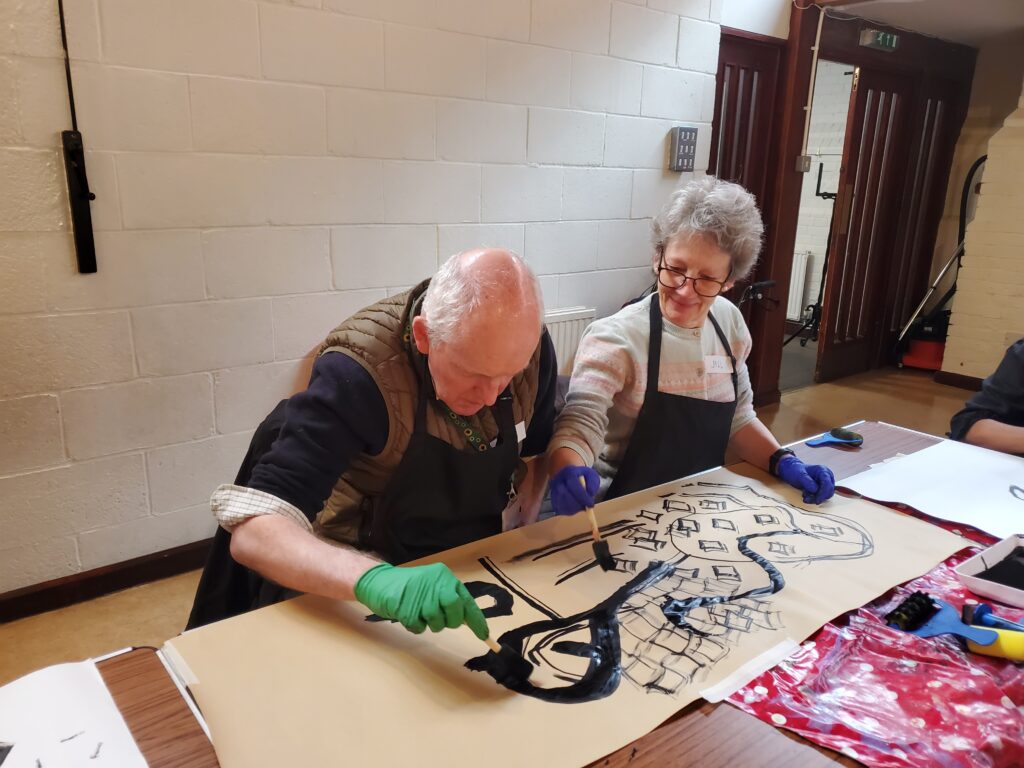
From 1-7 July, Create Week invites everyone to spend just ten minutes each day taking part in a free creative activity, designed by our professional Create artists. No specialist equipment or artistic experience are needed. It’s an opportunity to reconnect with yourself, with other people, and with the present moment.
Everyone deserves the chance to experience the wellbeing, confidence and connection that creativity can bring. If we’re serious about building a healthier and more connected society, we shouldn’t be asking whether creativity is a luxury. We should be asking why we’ve allowed it to become one.
Nicky Goulder MBE, Founding Chief Executive of Create
