
HOW CREATIVITY SUPPORTS MENTAL WELLBEING AND REDUCES ISOLATION
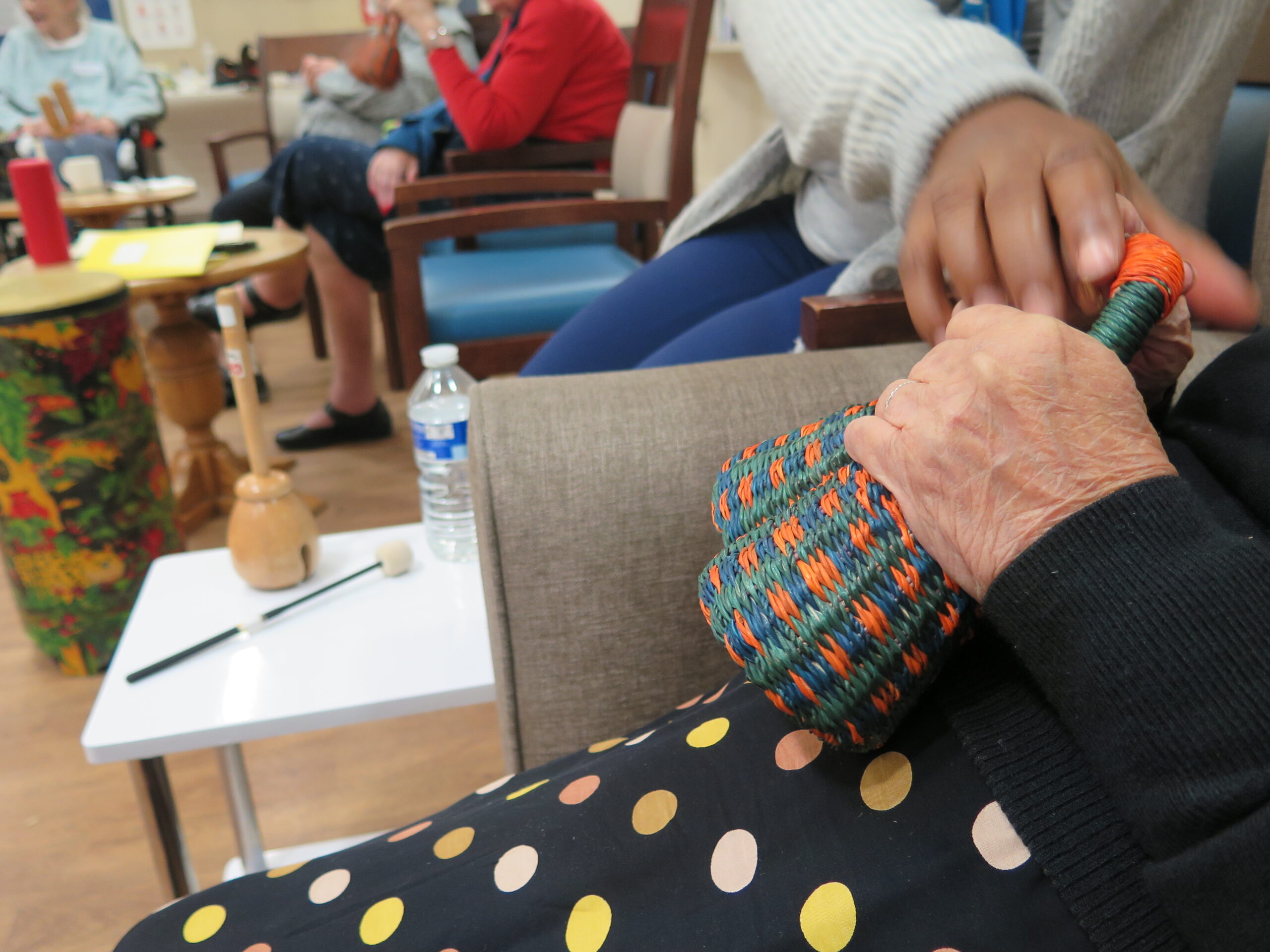
Mental ill health in later life is often closely linked with loneliness and isolation. Nearly one million older people in the UK are frequently lonely, while the number of adults aged over 50 experiencing chronic loneliness is projected to rise significantly in coming years.
For older adults living with dementia or long-term mental health conditions, isolation can have a serious impact on wellbeing, confidence and cognitive health. In fact, prolonged loneliness is associated with a 49%-60% higher risk of developing dementia. At the same time, research increasingly shows that meaningful social connection and creative engagement can play an important role in supporting mental wellbeing and quality of life.
Create’s art:links programme works with vulnerable older adults with dementia or other age-related challenges, providing opportunities to connect, express themselves and engage creatively alongside our professional artists.
Reducing isolation through creativity
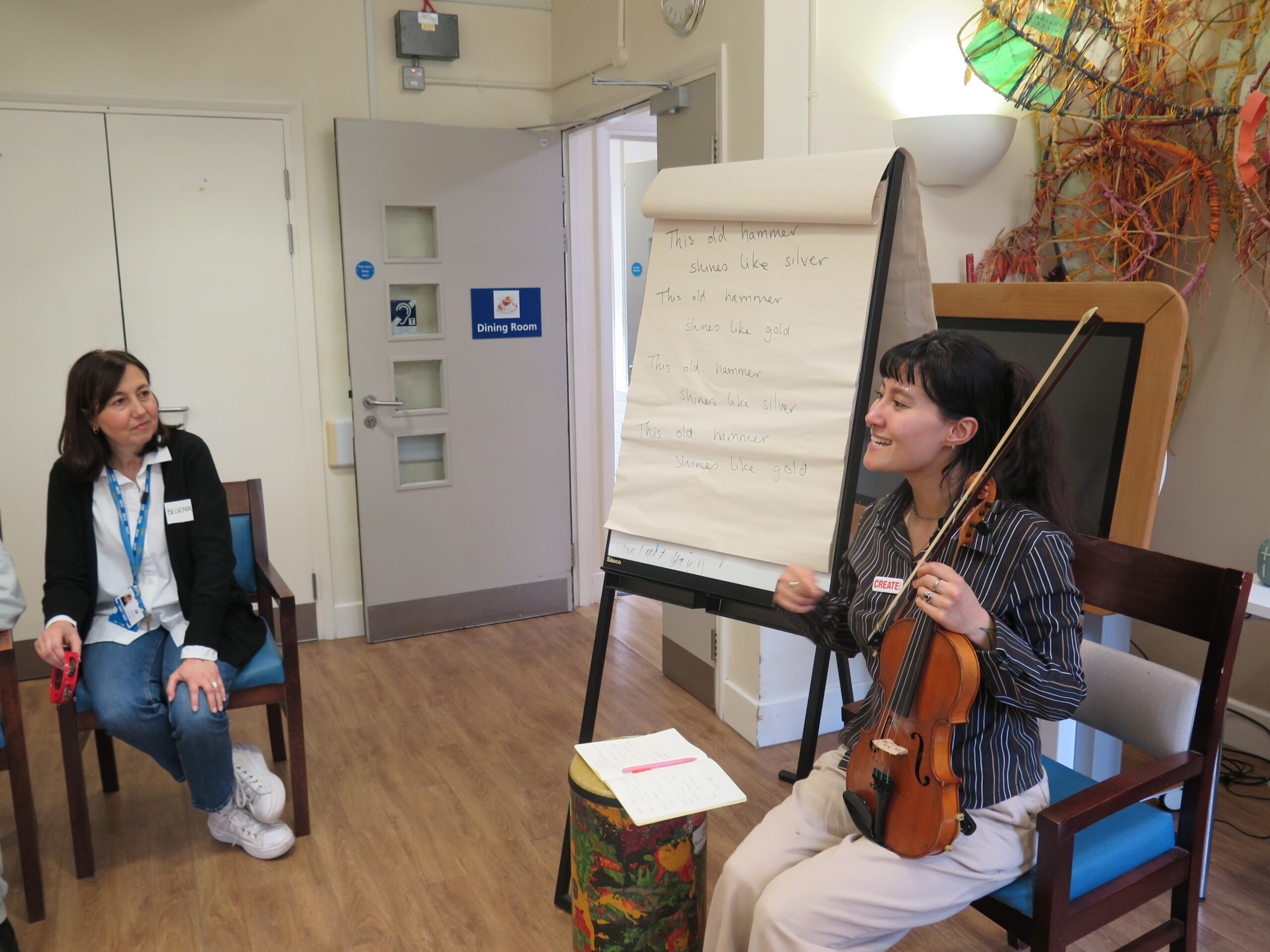
At Chamberlain House Dementia Resource Centre (CHDRC) in Kensington & Chelsea, participants took part in our art:links music project led by Create musician John Webb.
Support worker Begoña explained:
“CHDRC is a day centre where service users come to reduce the isolation [they feel] at home.”
“The majority have dementia; [others] have mental health problems like schizophrenia and depression. They have very complex needs.”
Many participants face significant cognitive and emotional challenges, which can make traditional group activities difficult to facilitate. Music offered a different kind of connection.
Music, memory and emotional connection
During the workshops, participants collaborated to compose and perform their own song based around the theme of “hobbies”.
“They did amazing work. All of them shared their ideas and experiences, and [this was] reflected in the finished song.”
“When they sang their part, you could tell how proud they were.”
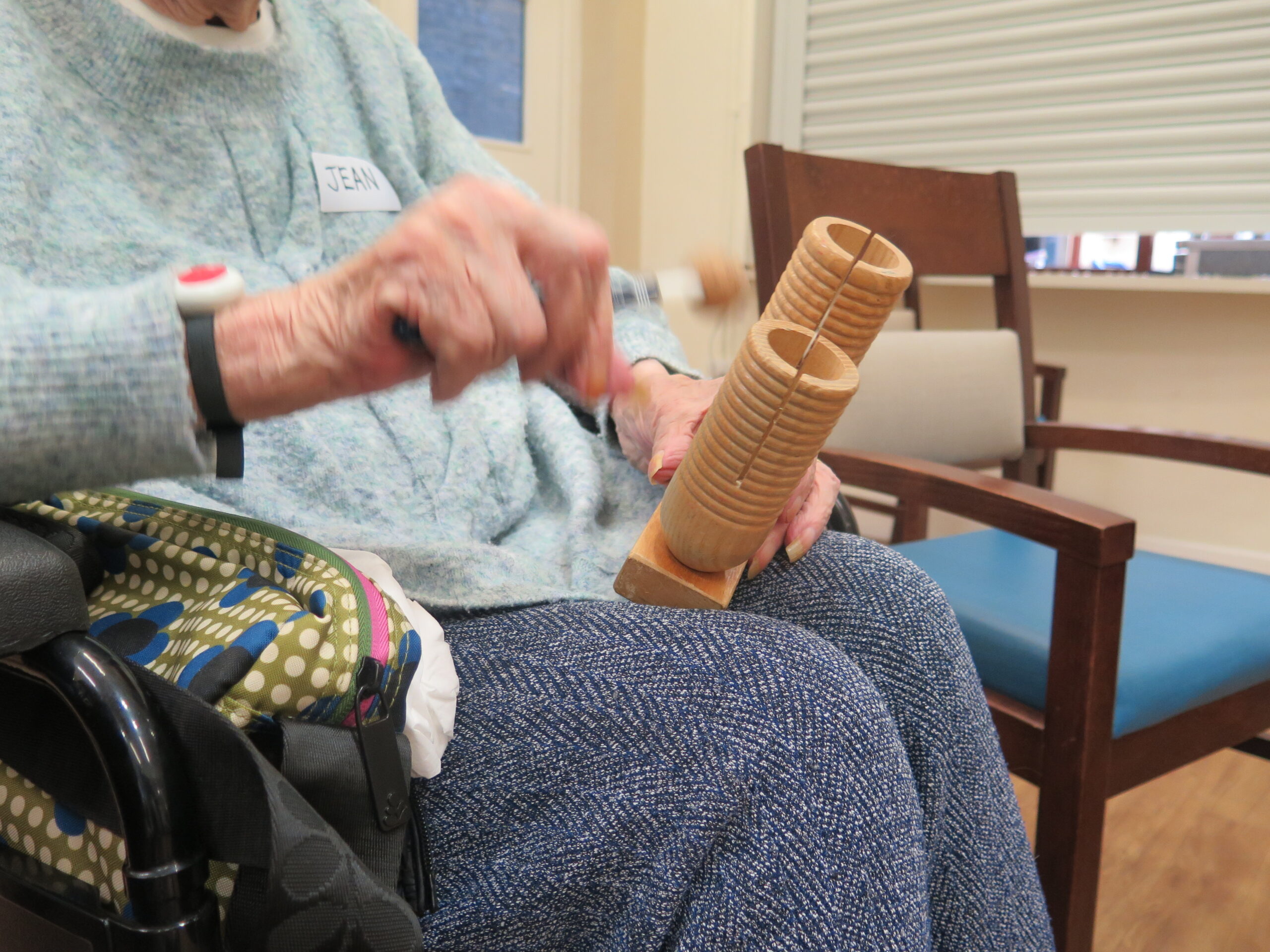
Research shows that music can support memory, communication and emotional wellbeing in people living with dementia, often helping participants reconnect with memories and emotions that can otherwise feel difficult to access.
Begoña saw this impact firsthand:
“As soon as John plays songs, the group follow the tune and sing.”
They become emotional with good memories.
Begoña, Care worker at CHDRC
The importance of feeling connected
One of the most significant impacts of creative group activities is the opportunity they create for social connection.
Loneliness is strongly associated with poorer mental and physical health outcomes, including depression and cognitive decline. Shared creative experiences can help break down barriers, creating moments of joy, confidence and belonging.
Showcasing their hard work to loved ones at the end of the project created moments of pride and collective joy. Begoña shared some of these reflections:
“In the sharing event, the daughter of [a service user] said ‘My mum was so happy!’.
“Another family friend said of a different service user ‘Look at her, she’s [been] smiling all the time!’ She was so proud of her.
“One service user said, ‘Coming here, I’m not alone, like at home’. It was very special.”
Why creativity matters
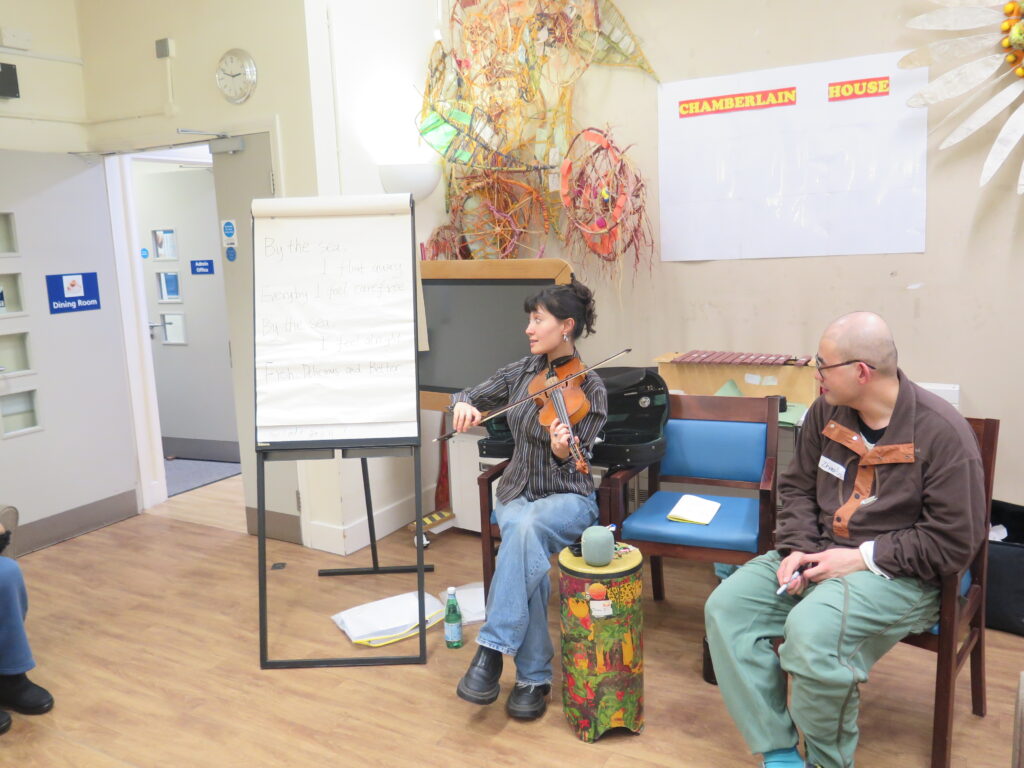
Projects like art:links show that creativity can offer far more than entertainment for older adults.
Through music and shared creative experiences, participants are supported to express themselves, connect with others and experience moments of confidence, joy and recognition.
As Begoña reflected:
“[These projects] help very much because [they] bring out the best in us.”
Thank you to City Bridge Foundation and The Headley Trust for funding this project.
