Author: communications

CELEBRATING YOUNG CARERS FOR YCAD 2026

CELEBRATING YOUNG CARERS FOR YCAD 2026

Across the UK, there are estimated to be more than one million young carers – children and young people who help look after a family member with illness, disability, mental health challenges or addiction. Alongside school and friendships, many take on responsibilities at home that can affect their wellbeing, confidence and opportunities to take part in everyday activities.

Young Carers Action Day (YCAD) shines a spotlight on these young people and the challenges they face. This year’s theme, “Fair Futures for Young Carers,” calls for greater recognition and support so that young carers can access the same opportunities as their peers.

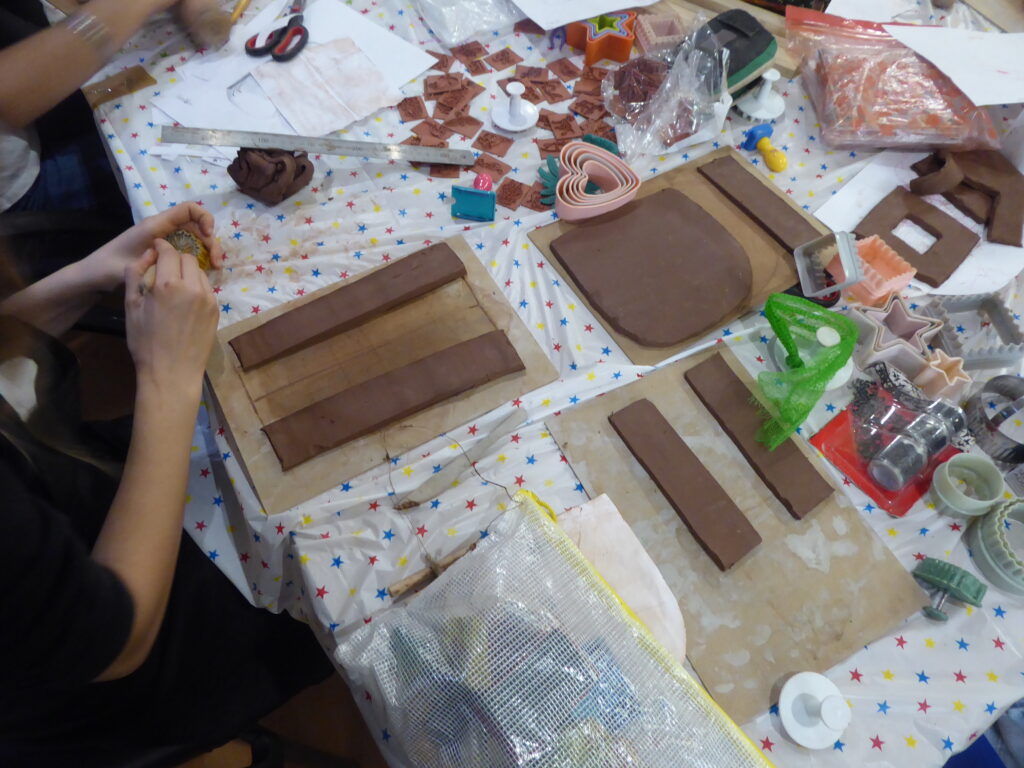
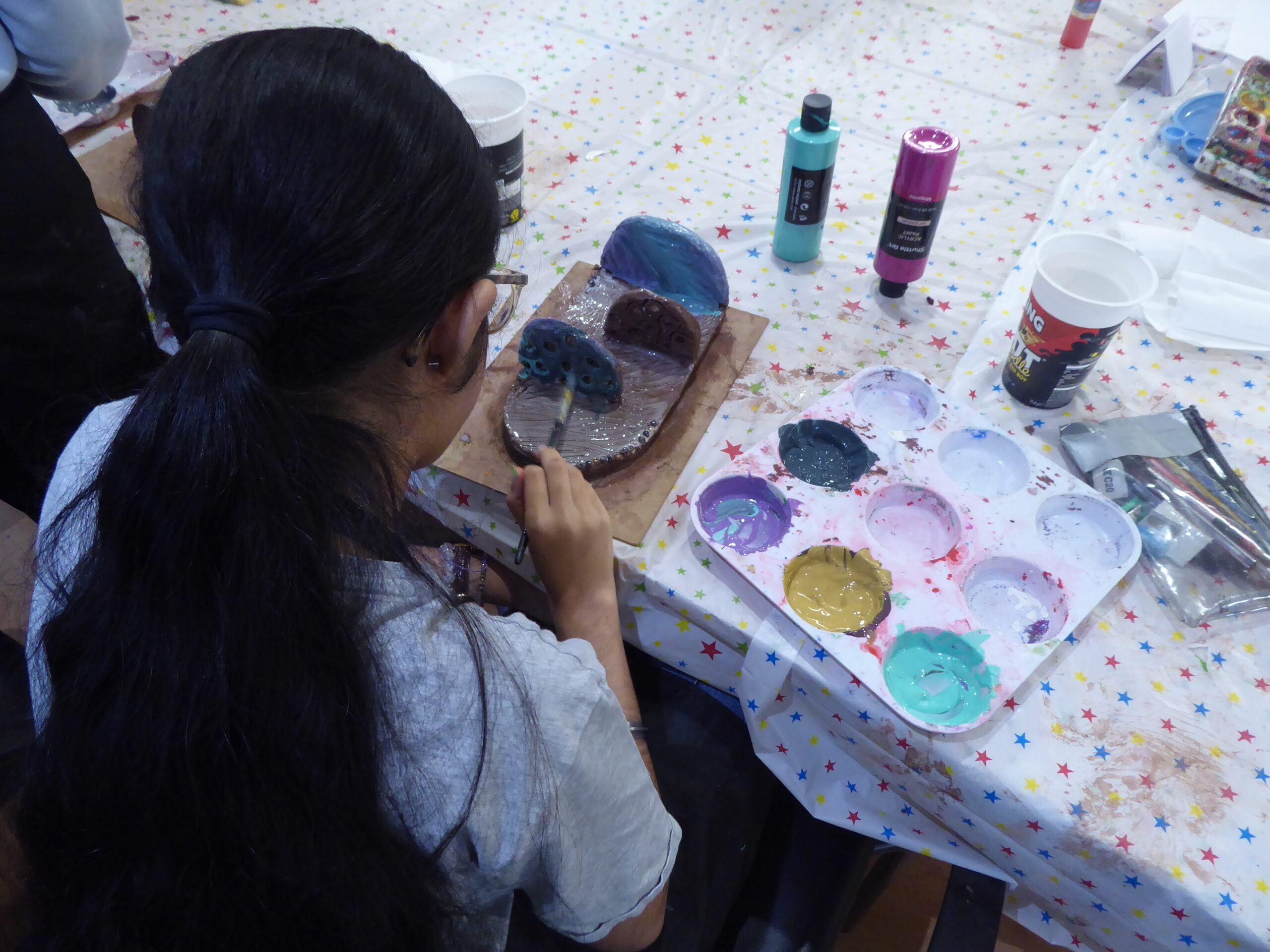
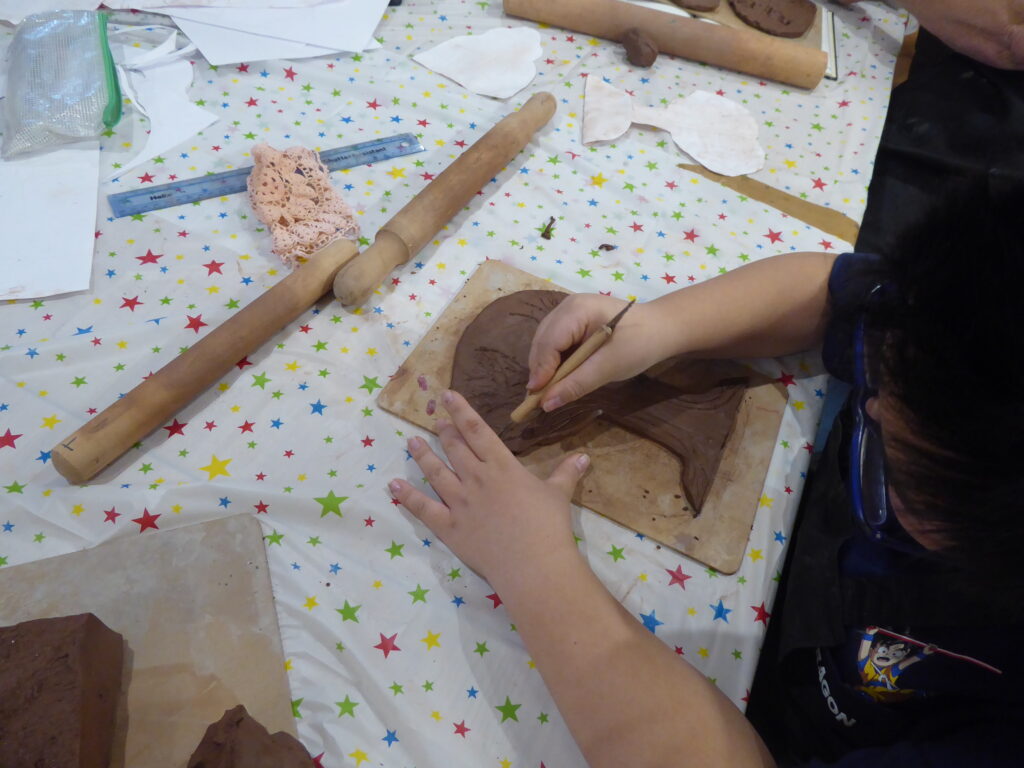
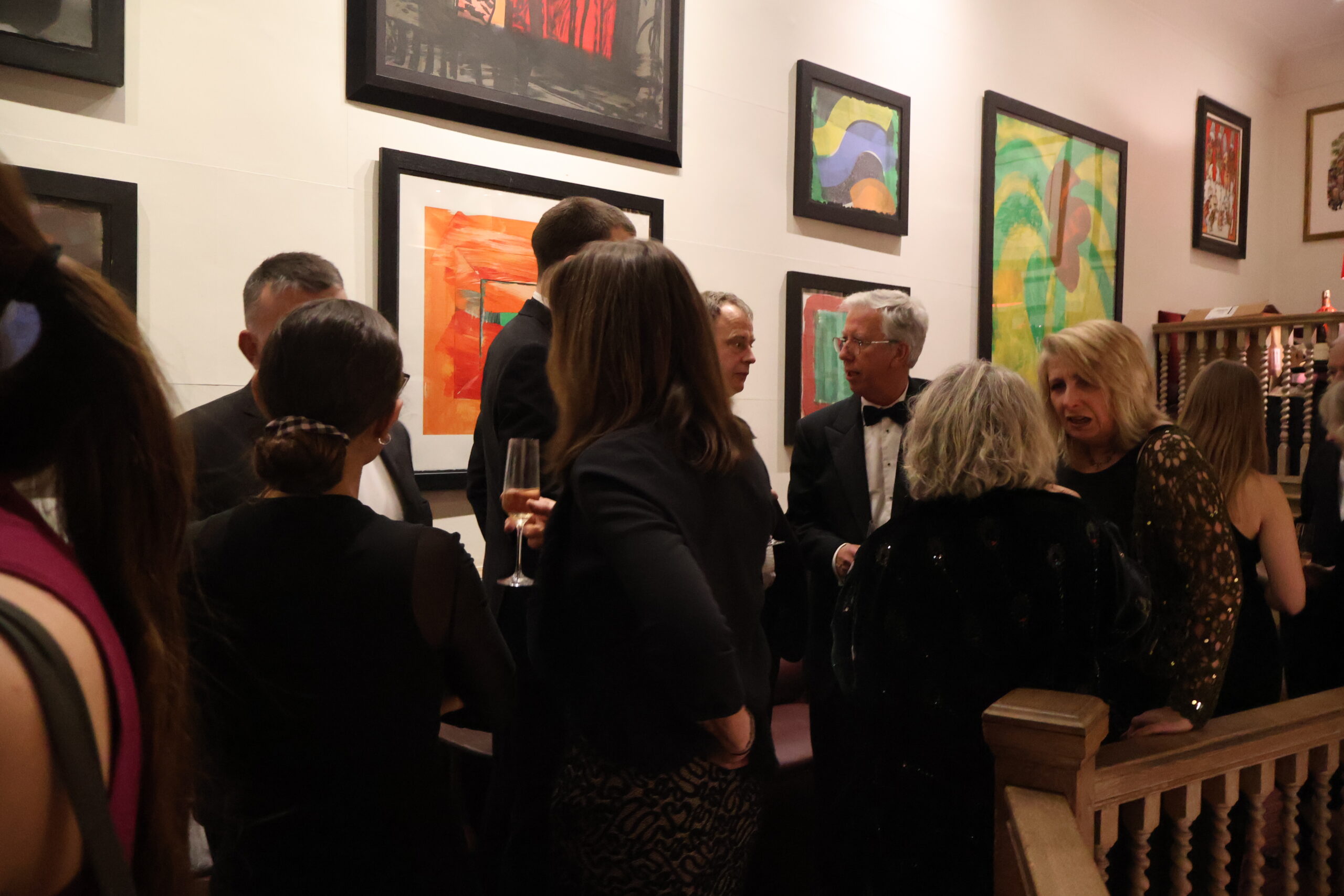
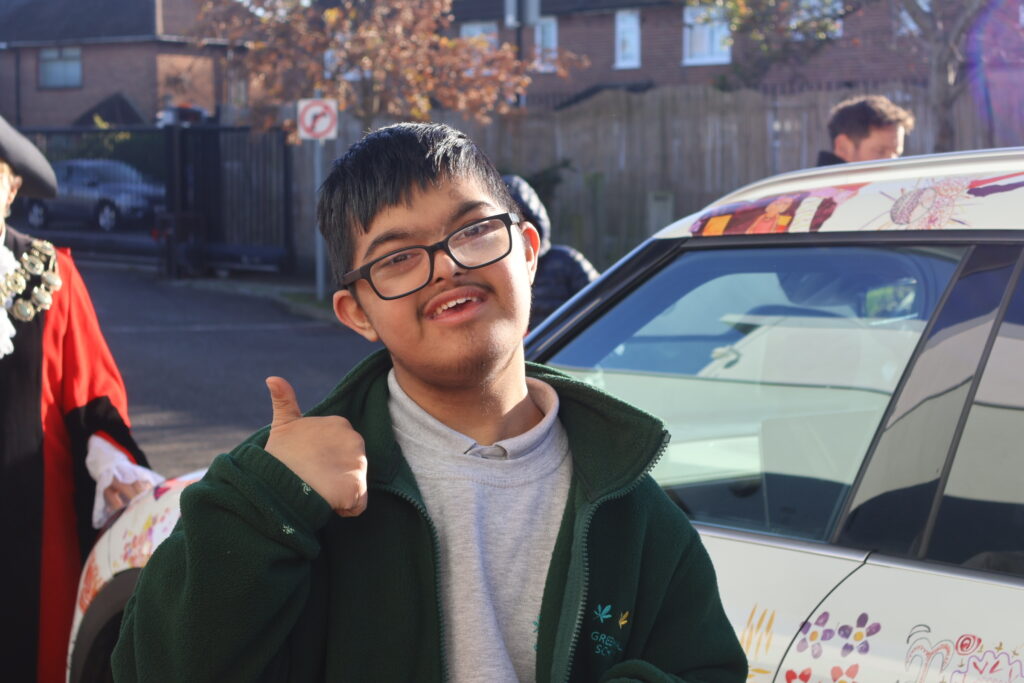
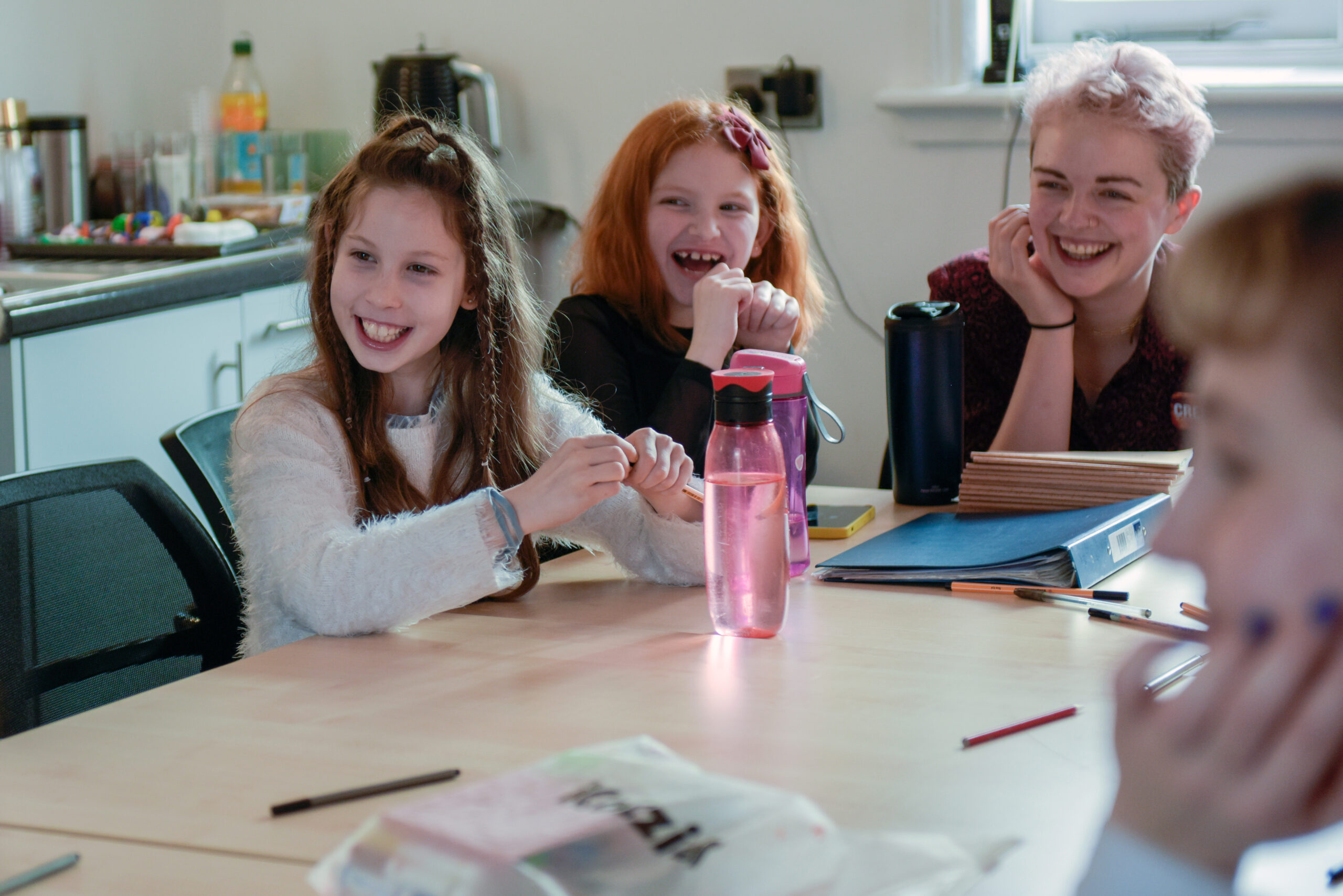
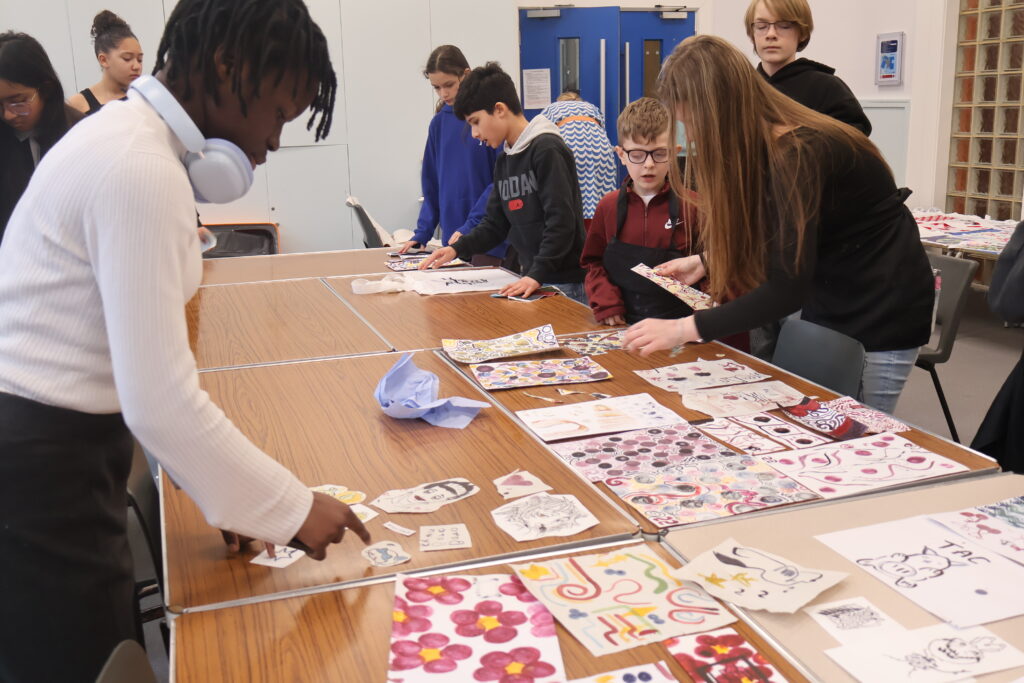
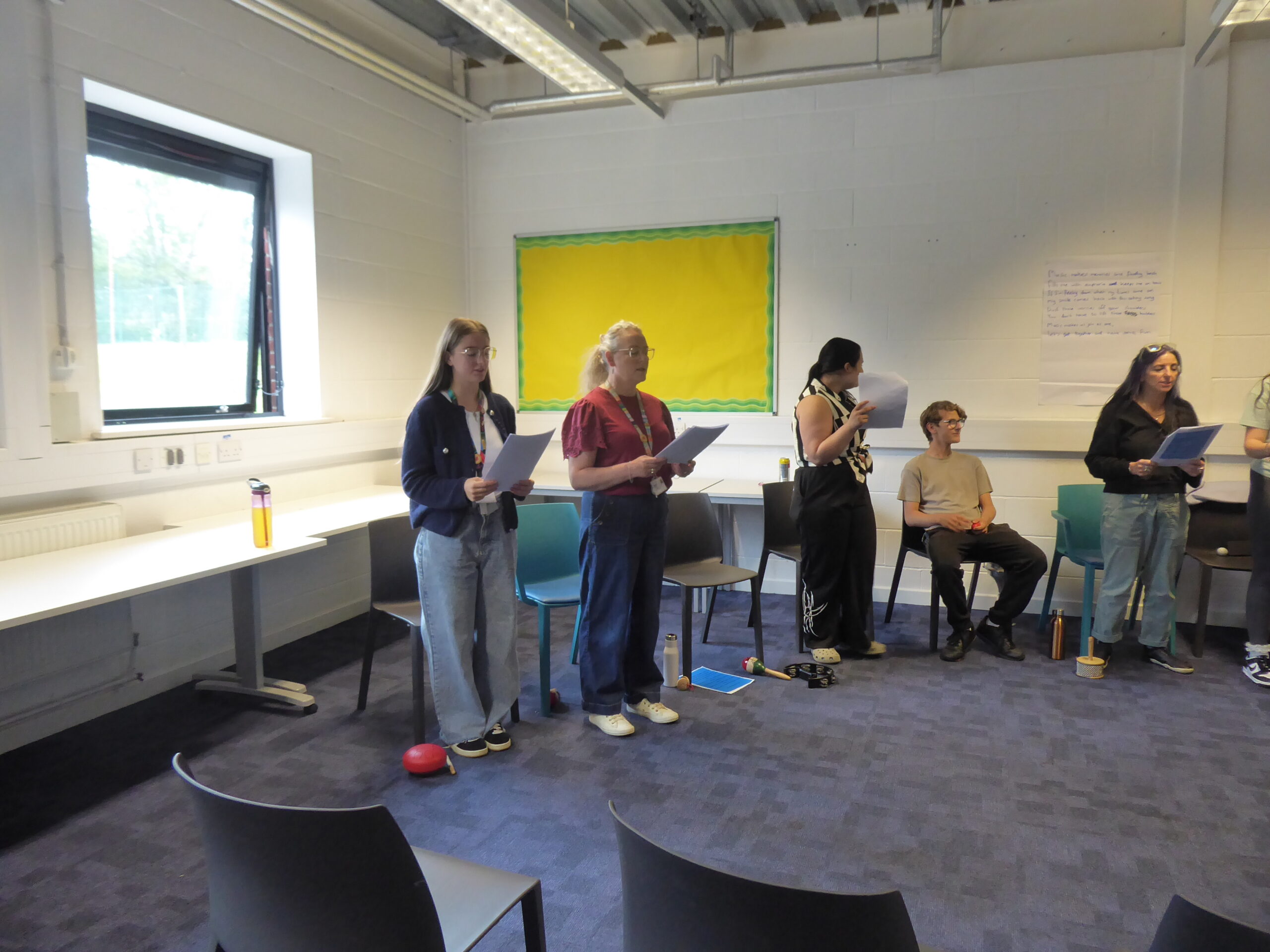
To mark the day, Create brought together young carers from across the UK for a special Creative Showcase on Wednesday 11 March 2026. Through a series of creative workshops, young carers explored drama, music, painting, puppetry and textiles – sharing their ideas, stories and talents through art.

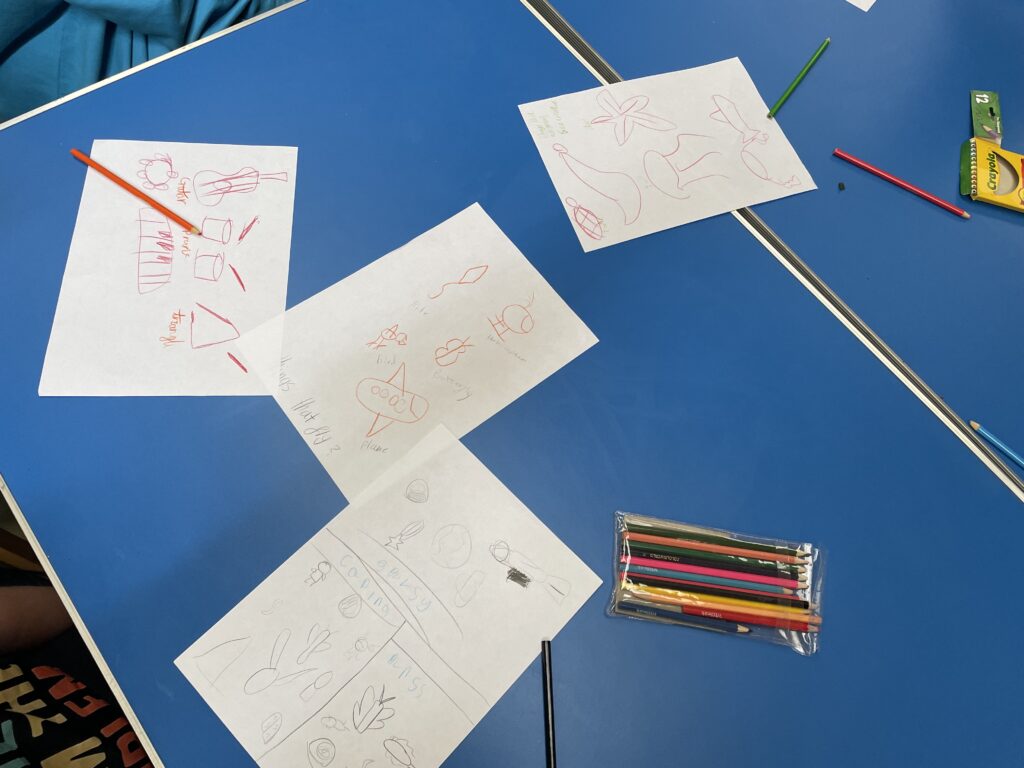
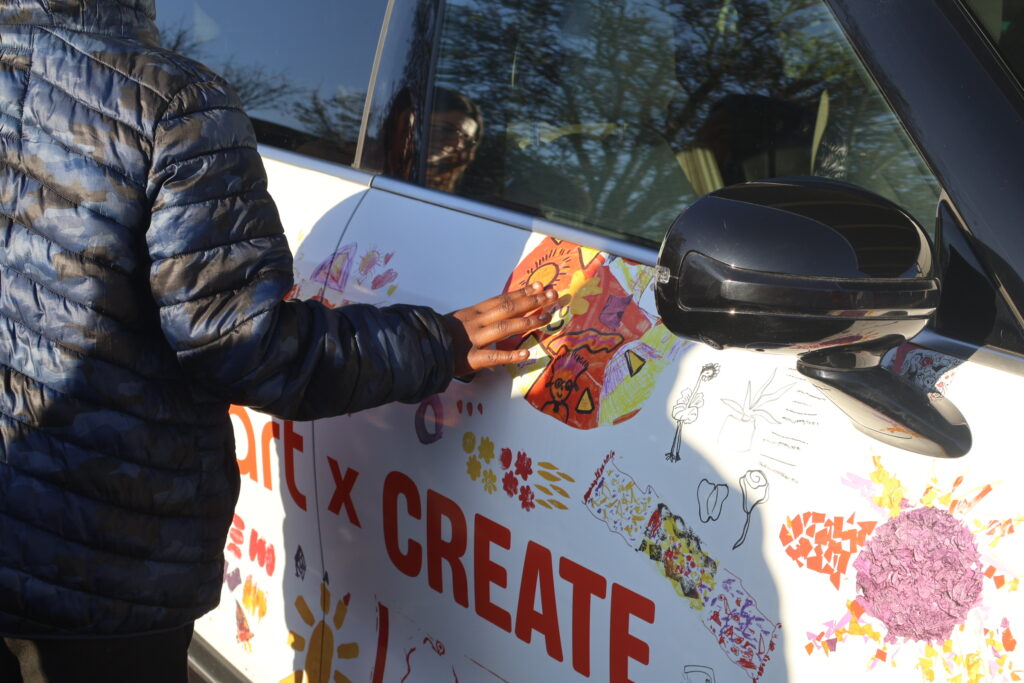
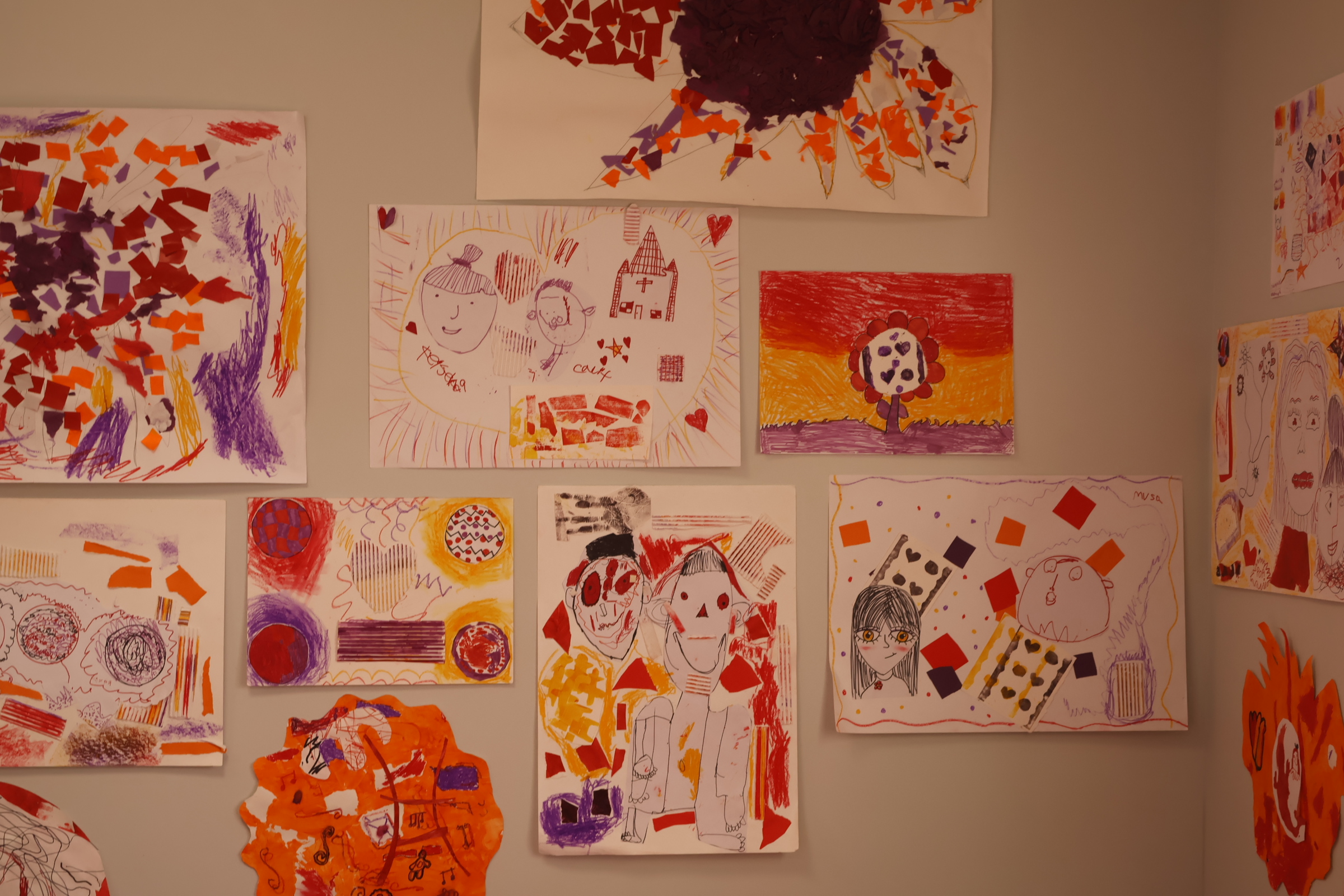
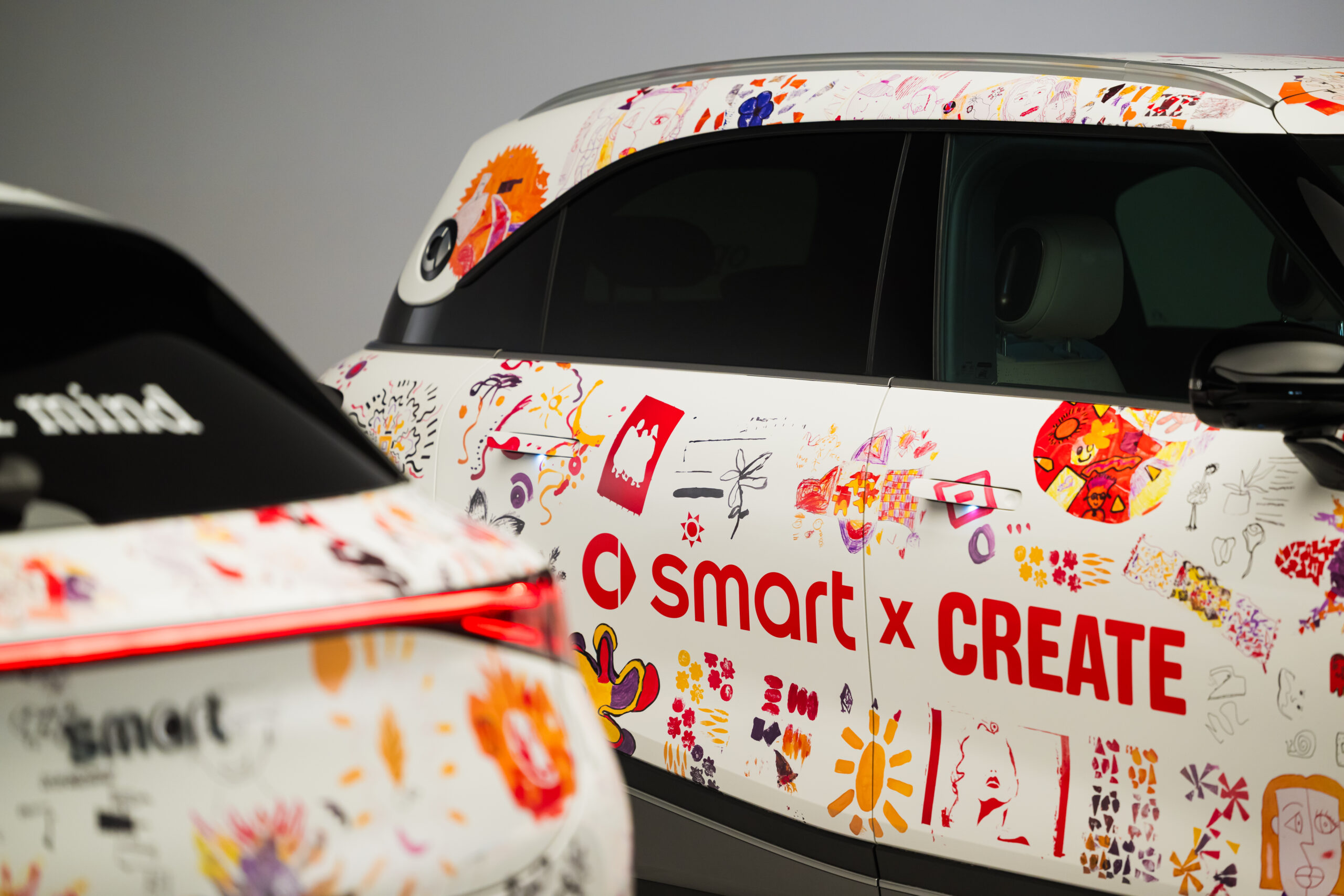
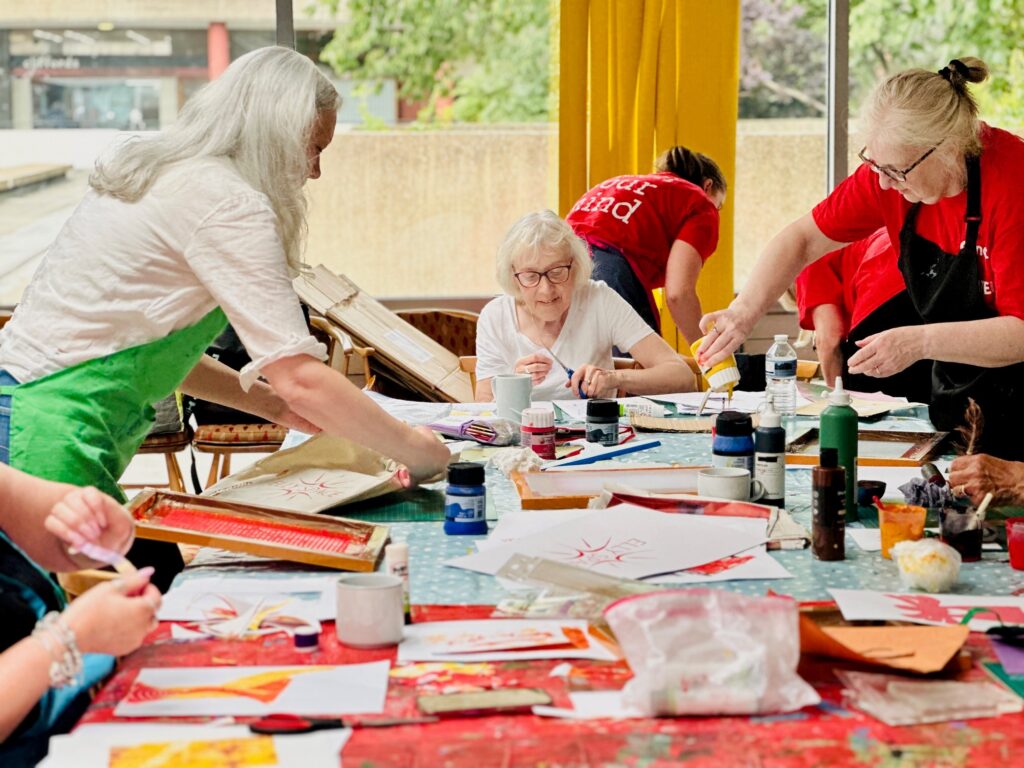
Young carers displaying their visual artwork.

A platform for creativity and self-expression

In the lead-up to the showcase, Create’s professional artists worked with young carers during February half-term workshops delivered in partnership with:

  • Brent Carers Centre
  • Bury Young Carers
  • Carers Trust Hillingdon & Ealing
  • Enfield Carers Centre
  • Sutton Carers Centre

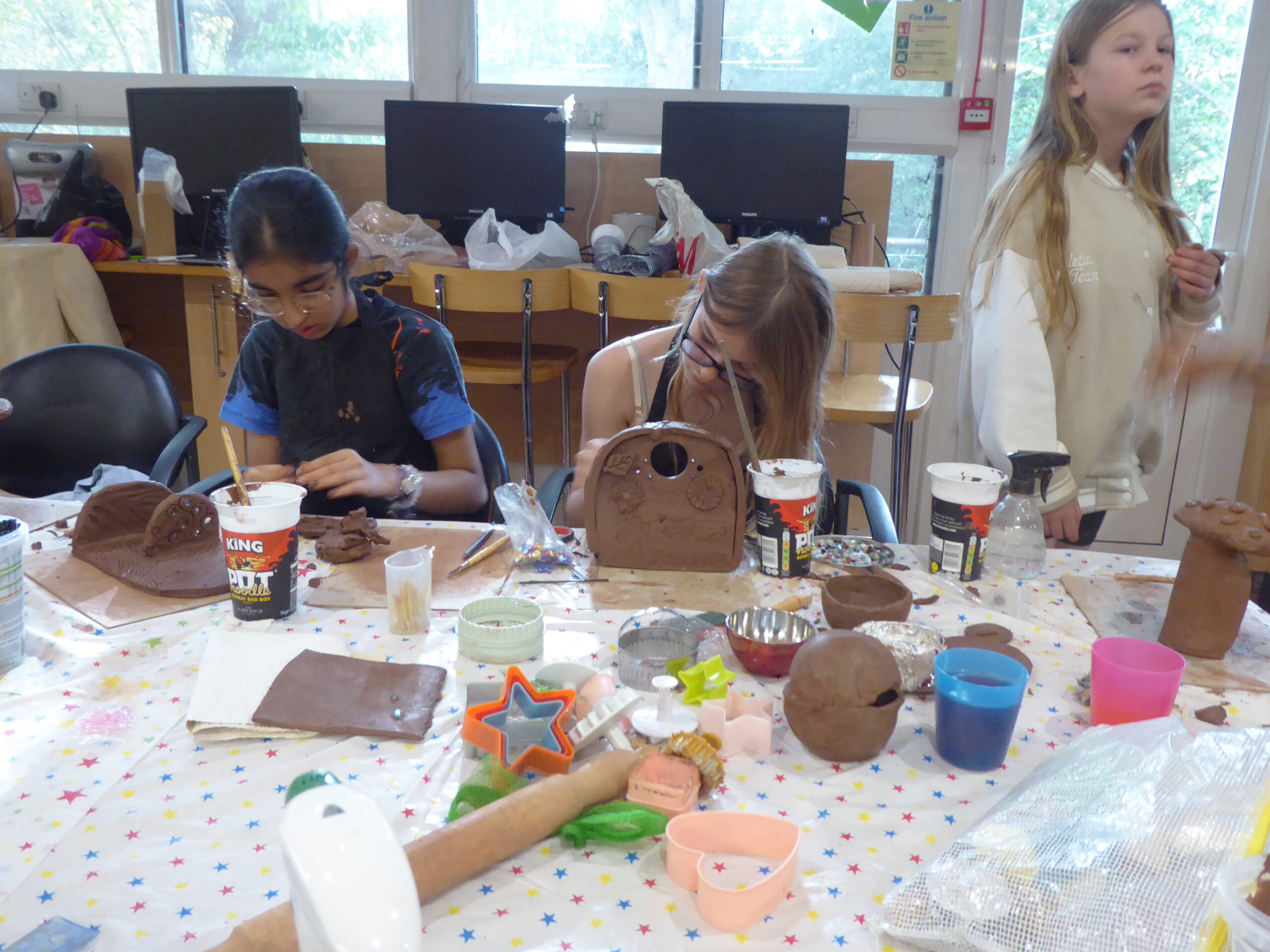
Across these sessions, participants experimented with a range of artforms including drama, music, painting, puppetry and textiles, creating work inspired by the theme Fair Futures for Young Carers.

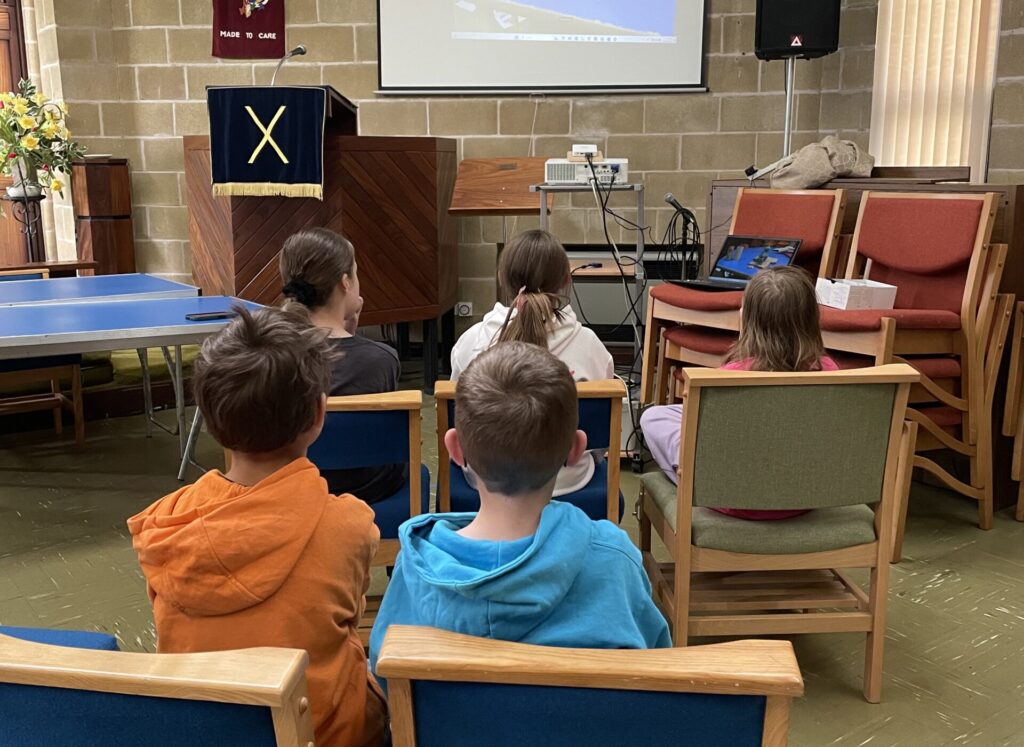
The online showcase offered young carers the opportunity to present their work and celebrate their creativity with family members, supporters and partners from across the country.

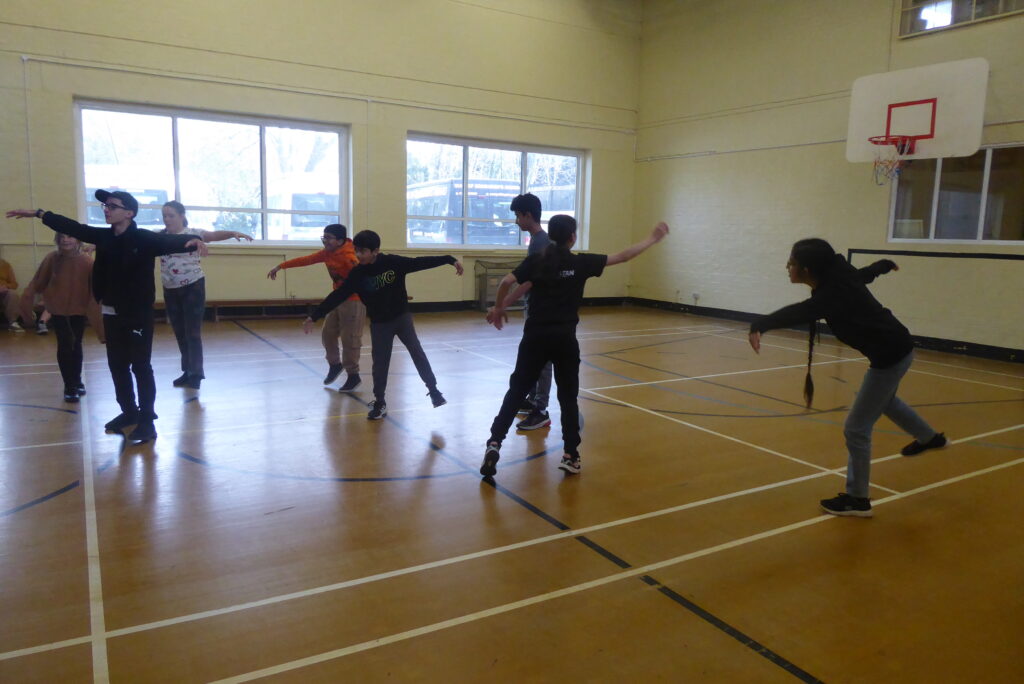
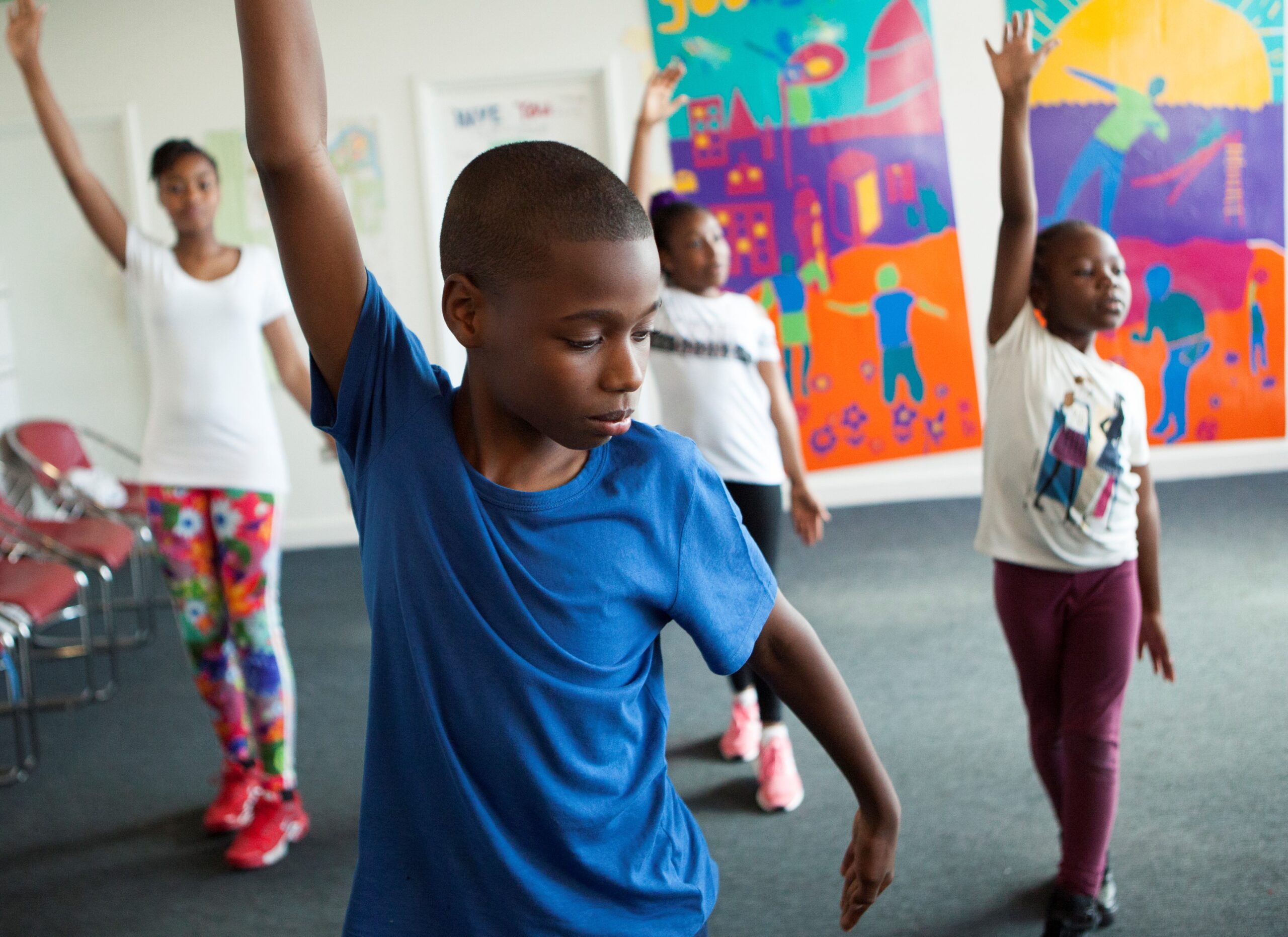
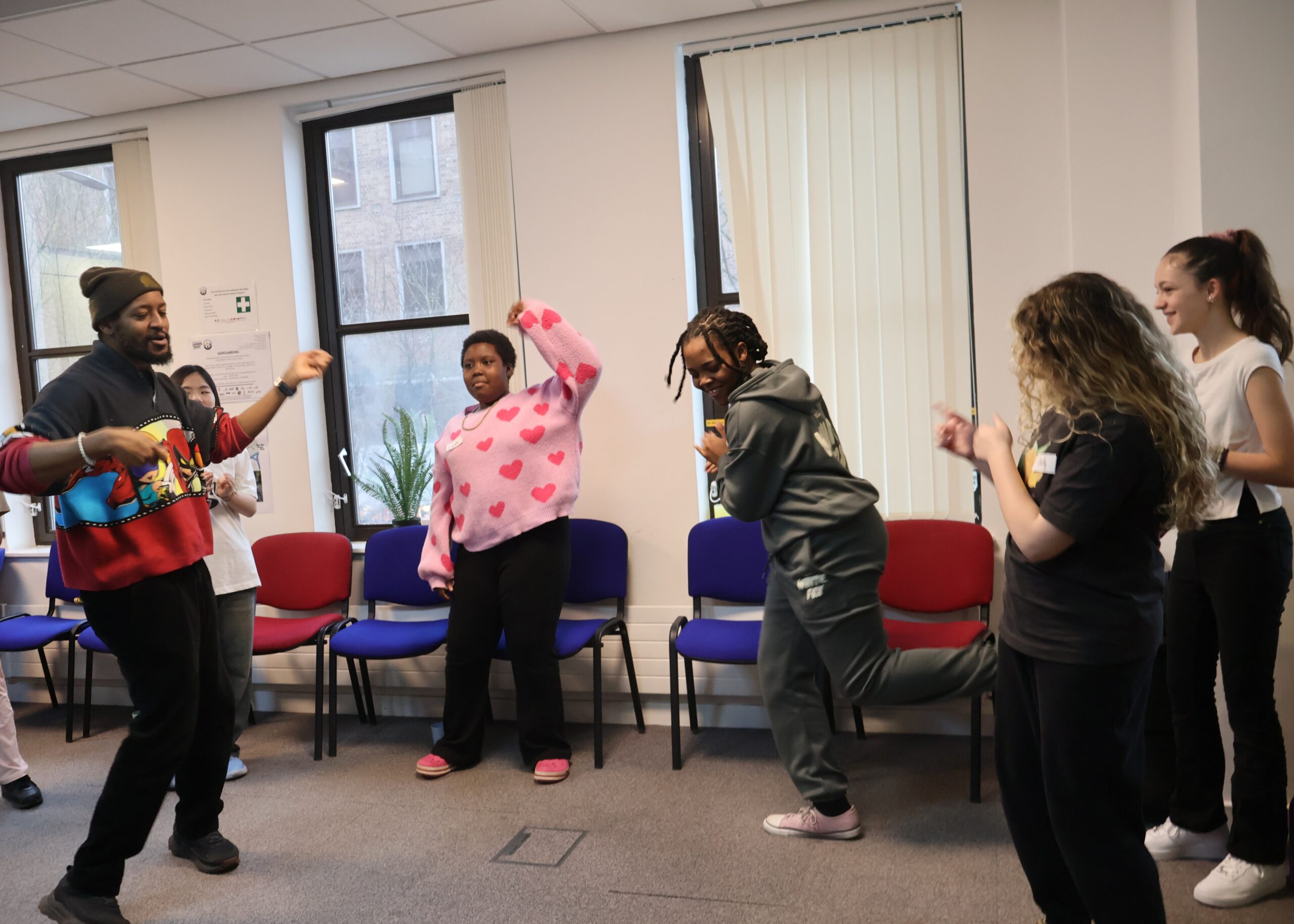
Young carers dancing.

Why creative breaks matter

Young carers often struggle to balance their caring responsibilities with time for themselves. Research shows that young carers miss an average of 23 days of school every year, and many spend several hours each day caring for loved ones. These pressures can have long-term consequences: less than half of young carers leave school with five GCSE passes including English and Maths, highlighting the urgent need to ensure young carers have fair access to opportunities and support.

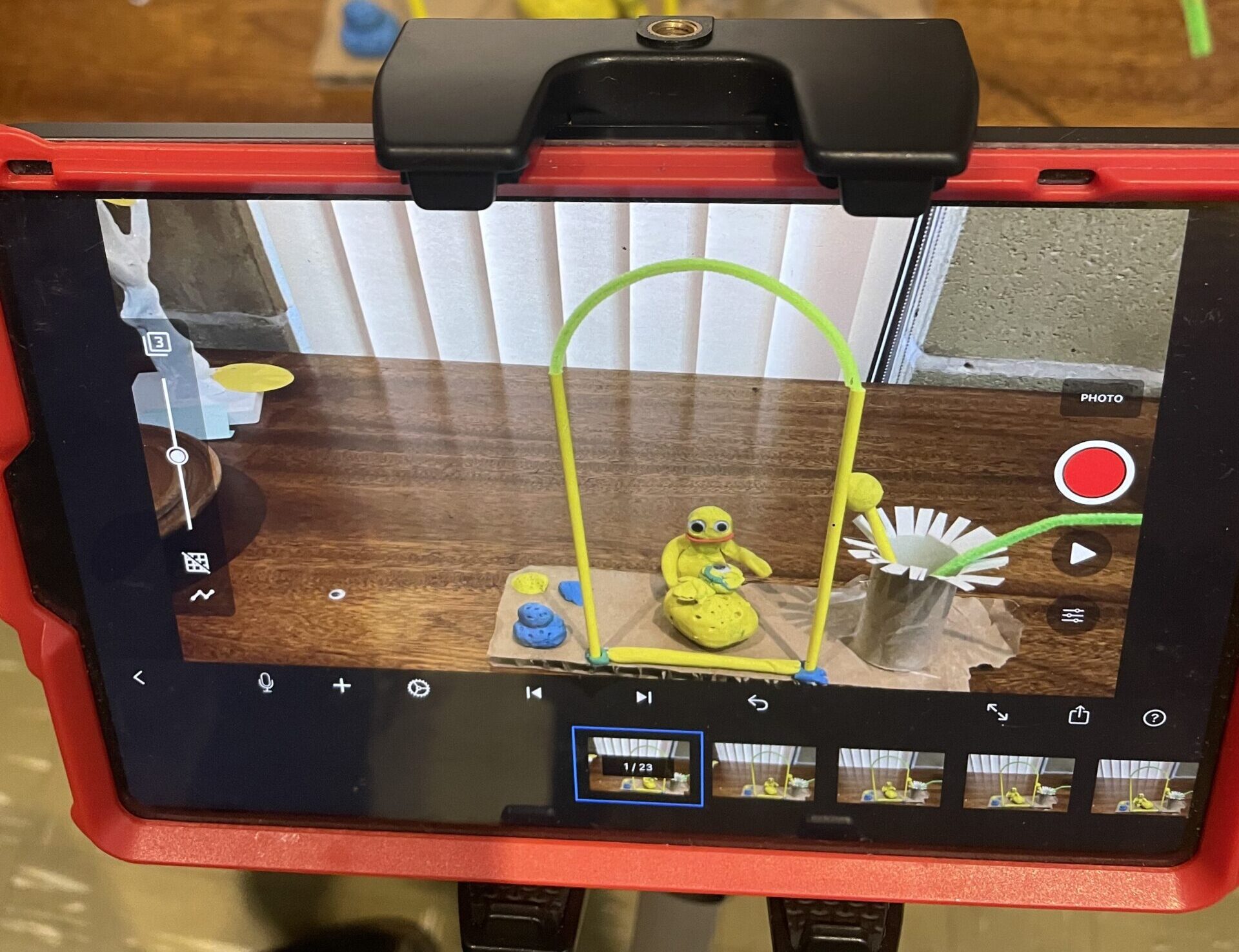
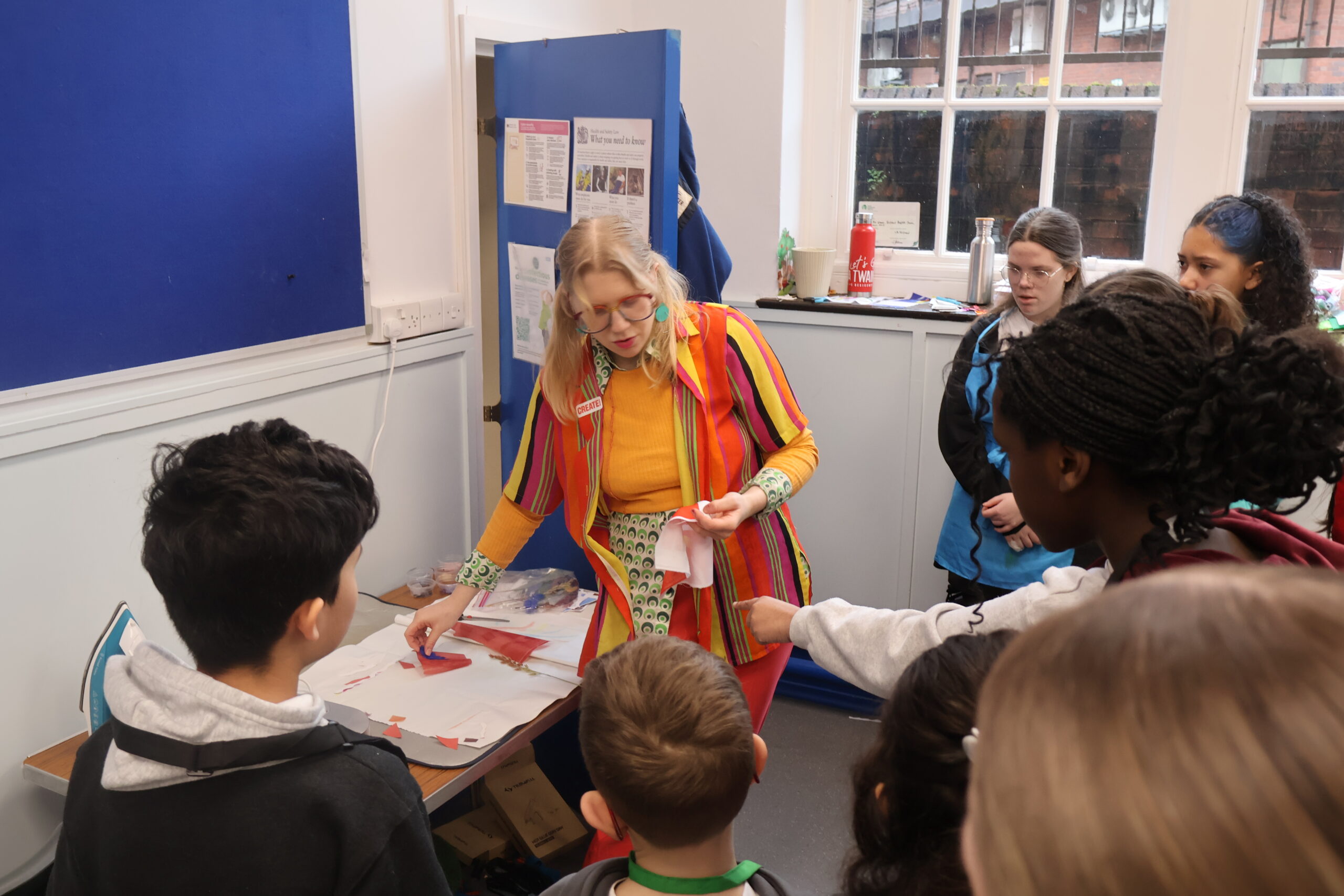
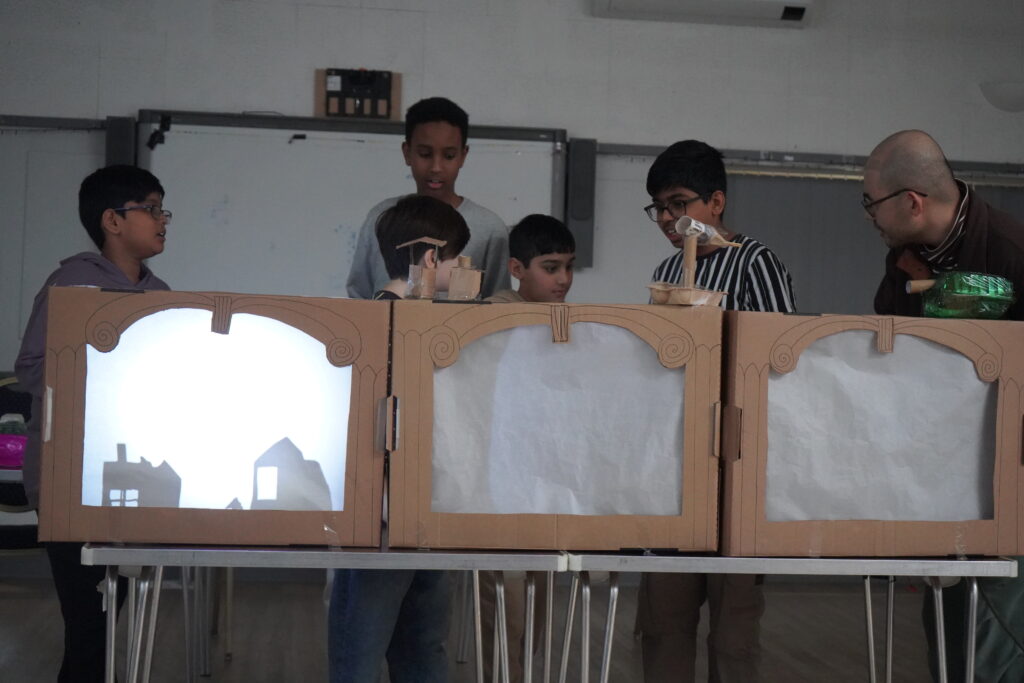
Young carers performing at a puppetry project.

Creative activities can provide a vital space for respite – allowing young carers to relax, build friendships and express emotions that can be difficult to put into words.

“If we want to make a real difference in the lives of young carers in ways that build their skills, confidence and wellbeing, increasing their access to the creative arts should be a top priority. As a society, we must recognise creativity not as an optional extra, but as a vital part of holistic support for vulnerable young people. This YCAD and beyond, let’s work to ensure that every young carer can experience the transformative power of the creative arts.”

Nicky Goulder MBE, Founding CEO of Create

Through Create’s workshops, participants are encouraged to explore new artforms, collaborate with their peers and discover their own creative voices. Just as importantly, they are given time to step away from their caring roles and focus on themselves. 

One young carer shared:

“It’s a chance for people to see what I am capable of.”

Celebrating young carers’ voices

The Young Carers Action Day showcase highlights not only the creativity of the young people involved, but also their resilience, imagination and individuality.

By providing opportunities like this, Create aims to ensure that young carers are recognised, supported and given the space to develop their talents and aspirations.

Their creativity reminds us that when young carers are given the chance to step back from responsibility and explore their potential, they can thrive.

Thank you to John Lyon’s Charity, The John Thaw Foundation, National Lottery Community Fund, Society of the Holy Child Jesus CIO, and Wates Foundation for funding these projects.

Watch the showcase

DONATE TO CREATE

£
Select Payment Method
Personal Info

Credit Card Info
This is a secure SSL encrypted payment.
Billing Details

Donation Total: £25.00

Fair Futures for young carers means better access to the creative arts

Fair Futures for young carers means better access to the creative arts

Across the UK, hundreds of thousands of young people quietly shoulder caring responsibilities every day. Young carers selflessly give their time and energy to look after people close to them, and all too often do not get the support and recognition they deserve. Research by Action for Children estimates that around 800,000 young carers aged 11–16 are caring for a family member in England alone.  

Many face not only the burden of responsibility but also emotional strain and barriers to education. Carers face greater risks of physical and mental ill health, including higher rates of selfharm and poorer wellbeing than their peers.  
The theme of this year’s Young Carers Action Day (YCAD) – “Fair Futures for Young Carers” – highlights the urgent need for increased support for these undervalued and overstretched young people. If we want to make a real difference in their lives in ways that build their skills, confidence and wellbeing, increasing their access to the creative arts should be a top priority. 

Creative opportunities are not a luxury, they are essential. Decades of research proves the substantial mental health benefits of the arts, showing that regular singing, dancing, painting, and other cultural pursuits reduce symptoms of anxiety, depression and stress for people of all ages. If any doubt still remains, Dr Daisy Fancourt’s recent book Art Cure brilliantly sums up the overwhelming evidence for the power of the arts to change lives for the better. 

At Create, we know that access to creative experiences can be truly transformative. Our high quality arts projects, delivered by our professional artists and spanning 26 different artforms across the UK, give young carers rare time and space that is entirely their own. Our workshops enable young carers to discover new talents, make new friends, and experience the joy and freedom of creativity. These moments matter deeply for young carers whose daily lives are shaped by responsibility, routine and, too often, isolation. 
The scale of the challenges they face remains alarming. Consistent research shows that young carers experience reduced educational attainment and higher absenteeism than their peers, difficulties highlighted in Carers Trust’s recent education report. Without targeted support, these pressures compound over time, impacting longterm life chances. 

Creative arts engagement offers powerful ways to help address these inequalities. When young carers take part in our programmes, they step into environments where they are not defined by their caring role, where they can express themselves freely, and where their voices are heard. Creativity nurtures their emotional resilience and builds vital social connections. 

Yet despite their value, the creative arts remain out of reach for many young carers. They may struggle to travel to extracurricular activities or lack the financial means to participate. That is why we bring our workshops directly to carers services, where young carers feel comfortable, supported, and safe. Every project we deliver is completely free to participants, because the ability to experience creativity should never depend on financial circumstances. 

But continuing to provide these opportunities requires sustainable, committed funding that reflects the life-changing impact of the arts. As a society, we must recognise creativity not as an optional extra, but as a vital part of holistic support for vulnerable young people.  

Create is marking YCAD with an online Showcase of work by young carers from five carer services across the UK. The event features drama, music, painting, puppetry, and textiles, specially created by young carers for the day, celebrating their talent, resilience and incredible creative potential.

We know that creativity changes lives. Let’s ensure that every young carer can experience its transformative power leading to Fair Futures for all. 

By Nicky Goulder MBE, Founding CEO of Create 

DONATE TO CREATE

£
Select Payment Method
Personal Info

Credit Card Info
This is a secure SSL encrypted payment.
Billing Details

Donation Total: £25.00

How Children in care gain confidence through creativity 

How Children in care gain confidence through creativity 

Children in care and care leavers face significant challenges, often shaped by trauma, instability and disrupted relationships. Frequent changes to home, school and support networks can affect confidence, wellbeing and the ability to form trusting connections. Creative projects like our:voices offer something vital in response: space to express themselves, connect and feel seen. 

Delivered by professional artists, Create developed our:voices as a multi-artform programme for children in care and care leavers to support wellbeing, confidence and social connection through creativity.

Research highlights the scale of the need. In England, around 45% of children in care are estimated to have a diagnosable mental health condition, and many experience loneliness, lower self-esteem than other children and disengagement from education. 
Finding your voice through music 

In July 2025, young people from Bolton Youth Service took part in a three day our:voices music project, led by our musician Matt Dunn. Emily (16), who has been in care for over eight years, described how composing music helped her feel more confident and positive:  

“[Having completed the project] I feel great. A lot more confident. Everyone’s very kind and we work well together. [The project] is really refreshing and it gets you out of the house. I feel brighter.” 

[Being creative] is important because some people don’t get that chance and it really lets you open up as a person and you can become more positive.

EMILY, our:Voices participant

For Emily, the chance to meet others with similar experiences was just as important as learning new skills: 

“Sometimes when you’re in care you can struggle to make friends because you can feel a bit down. But [in projects like these] you meet other people in your situation, and you have a fun time with them.” 

New opportunities for expression 

In October 2025, participants from Waltham Forest explored filmmaking with our filmmaker Solveig Herzum. Noah (14) spoke about discovering confidence and imagination through the creative process: 

“[My favourite part] was how I was so involved in it. You can hear other people’s ideas, take one and make it your own. No matter what [the challenge] is, you can do it.” 

[This project] brings out a lot of confidence in you. People who don’t usually do creative things find it really fun and interesting when they actually do it. 

noah, our:voices participant

For Noah, creativity opened up new ways of thinking and expressing ideas: 

“I [learned] that I have a big imagination. [For example], at the start of the project, we had a picture and we had to make film based on it. When I saw the picture, my mind just started racing with different ideas.”  
Why this work matters 

Projects like our:voices show how creativity can provide more than activity for children in care. By working collaboratively with professional artists and peers, young people build skills, confidence and connection – and experience a rare opportunity to focus on who they are, not just the circumstances around them. 

Thank you to Sarah Jane Leigh Charitable Trust for funding our:voices in Waltham Forest. 

*Names changed to protect anonymity 

DONATE TO CREATE

£
Select Payment Method
Personal Info

Credit Card Info
This is a secure SSL encrypted payment.
Billing Details

Donation Total: £25.00

Finding space to be yourself when you’re in care

Finding space to be yourself when you’re in care

For children in care, everyday life can feel tightly controlled. Where you live, who you live with, and even small routines can change suddenly. Many young people experience repeated placement moves, separation from siblings, stigma and restrictions that their peers don’t face – leaving little space to process emotions or simply be themselves. 

National research shows that children in care are significantly more likely to experience poor mental health than other young people. Around 45% have a diagnosable mental health condition, and many report loneliness, bullying and feeling different from their peers. For young people navigating these pressures, opportunities for self-expression and autonomy are often limited. 

That’s where our:voices comes in. 
our:voices is Create’s multi-artform project for children in care and care leavers, designed to offer creative space away from judgement and expectation. Working with our professional artists, young people are supported to express themselves, connect with others who understand their experiences, and explore creativity on their own terms. 
For Carys and Amy*, two young people who took part in our our:voices projects in Bolton, that space was vital. 

Living with instability 

Carys (14) moved into care when she was 10. Since then, she has experienced multiple placements and the emotional toll that comes with them. 

“My first placement was good, but then I kept having arguments with them. It was kind of breaking down. So I had to move, but my brother stayed. Then I had a foster sister [who] wasn’t very nice, so that didn’t work out.” 

Like many children in care, Carys experienced separation from family members and the uncertainty of not knowing where she would settle next: 

Now I’m with carers that have been my favourite. I actually love them. I’m a nicer person now and I’m a lot happier.

carys, our:Voices participant

Making art when you can’t find the words 

During a three-day our:voices visual art project led by our visual artist Laura-Kate Pontefract, Carys explored abstract painting inspired by Monet. At first, she felt unsure. 

“I was a little stressed at first because I couldn’t [paint]. But then I was really happy with the ending – it just came together!” 

As the project progressed, art became a way to process feelings that might otherwise stay bottled up: 

“If I was feeling something, I’d just [put] it onto my canvas.” 

She described discovering something new about herself through the process: 

“I’ve learned that I can actually paint and that it’s nice to express your feelings onto a piece of paper. Patience is the key to success!” 

For young people who have had little control over their circumstances, having agency over what they create can be powerful. 

feeling different from other children 

Amy (15) has been in care for nearly five years. In August 2025, she took part in an our:voices photography project with our photographer Louisa Mayman, learning about angles, editing and visual storytelling: 

“We’ve created a lot of pictures in different ways, which I didn’t know that you could do.” 

For Amy, the project offered more than technical skills. It offered a break from isolation: 

“[Doing this project] has made me more confident in myself and it makes me feel a lot more happy because it gets me out of the house. It was really good because I got to interact with other [children in care].” 

She spoke about the realities of being looked after: 

“Being looked after, it can be hard. You see different carers, you get treated differently by people or get bullied for being in care.” 

Amy described the everyday restrictions many children in care live with: 

“You have a curfew, you have to hand your phone in, or you’ll get in trouble.

It’s completely different from kids being at home with their parents. 

amy, our:voices participant

“I like to socialise and pick up ideas from other people. I’m not [usually] good at art, but I’ve surpassed myself here and made things I really like. It’s a nice group and everybody helps each other.”

A PLACE TO BE YOURSELF 

Research shows that care-experienced young people are far more likely to report loneliness and low life satisfaction than their peers, and many struggle to find spaces where they feel understood. Projects like our:voices don’t remove these challenges, but they do create moments of agency, expression and belonging within them.  

By centring young people’s voices and experiences, and allowing them to make choices, explore ideas and work alongside peers, creativity becomes a way to reclaim a sense of self. 

As Amy put it: 

“I think it’s good for young people [in general], not just children in care.” 

*Names changed to protect anonymity 

DONATE TO CREATE

£
Select Payment Method
Personal Info

Credit Card Info
This is a secure SSL encrypted payment.
Billing Details

Donation Total: £25.00

art:links: creativity, connection and companionship for older adults

art:links: creativity, connection and companionship for older adults

Across the UK, social isolation and loneliness are among the most pressing challenges facing older adults – particularly those living with dementia, age-related conditions or limited mobility. Create developed art:links in response to this need: a creative arts programme that brings vulnerable older people together with professional artists to create, connect and be seen. 

Research shows that loneliness can have a profound impact on older people’s physical and mental health. Age UK estimates that around one million older people in the UK say they are often or always lonely, with many spending days without meaningful social interaction. Creative projects like art:links offer something vital in response: regular connection, shared purpose, and the chance to express identity beyond age or diagnosis. 

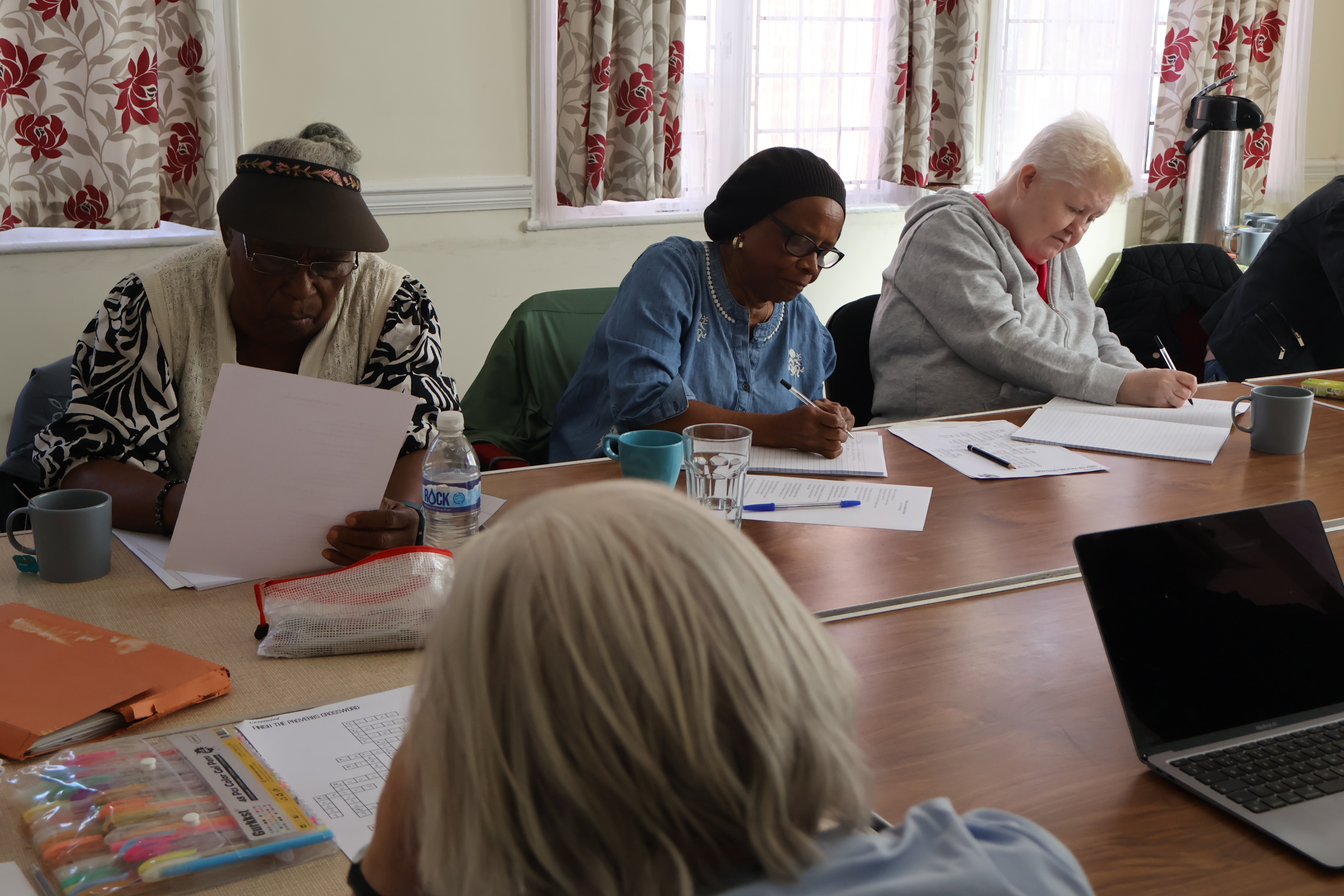
A group of older women in an art:links writing workshop. art:links if our programme for older adults.

Creativity as a route to connection 

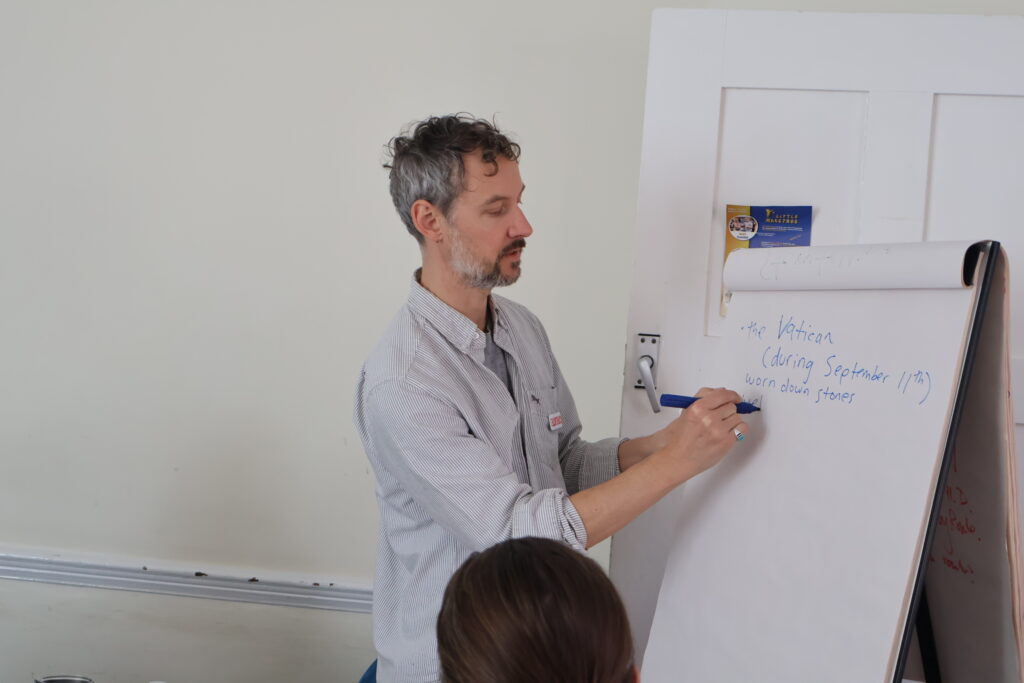
Margaret (84) joined art:links in Southwark soon after losing her husband. Led by Create writer Tim Cowbury, the participants explored creative writing. Taking part in the workshops gave Margaret the space not only to write, but to reconnect with others:

“Connecting with others is important because loneliness is the scourge of old age. And being creative uses your brain. You’re not just stuck being receptive, like if you sit and watch television all day.” 

For Margaret, writing stories from photographs and imagined perspectives presented new ways of thinking:

“We’ve been doing creative writing, making our own stories from characters, places and events.” 

“I’ve learned more about seeing things from different perspectives. That helps you to look at people in a different way.” 

A man Create artist delivering a writing workshop. He is writing on a big piece of paper. art:links if our programme for older adults.

Accessible creativity for people living with dementia 

At Merton Memory Hub, participants took part in six weeks of visual art workshops led by Create artist Teresa Paive. Sharon, a staff member at the hub, described the impact of seeing participants take part in the creative process: 

They got so immersed in what they were doing. It’s quite powerful that they can see something they’ve done. 

SHARON, STAFF MEMBER AT MERTON MEMORY HUB

“They were genuinely pleased to see what they’d created by the end of each session and then when we showed them again next week [they had] a sort of amazement at what they’re able to achieve.”

Importantly, the project considered the differing abilities within the group: 

“It was accessible for everyone at all levels. Sometimes you can feel quite demoralised when doing art, thinking ‘that’s not perfect’. But what Teresa did was very hands-on and what came out looked very good.” 

Crucially, the sessions created space for shared conversation and presence: 

“It was a chance to work together, collaborate and talk about [the art]. They also had a chance to talk about something in the present, which was really beautiful.” 

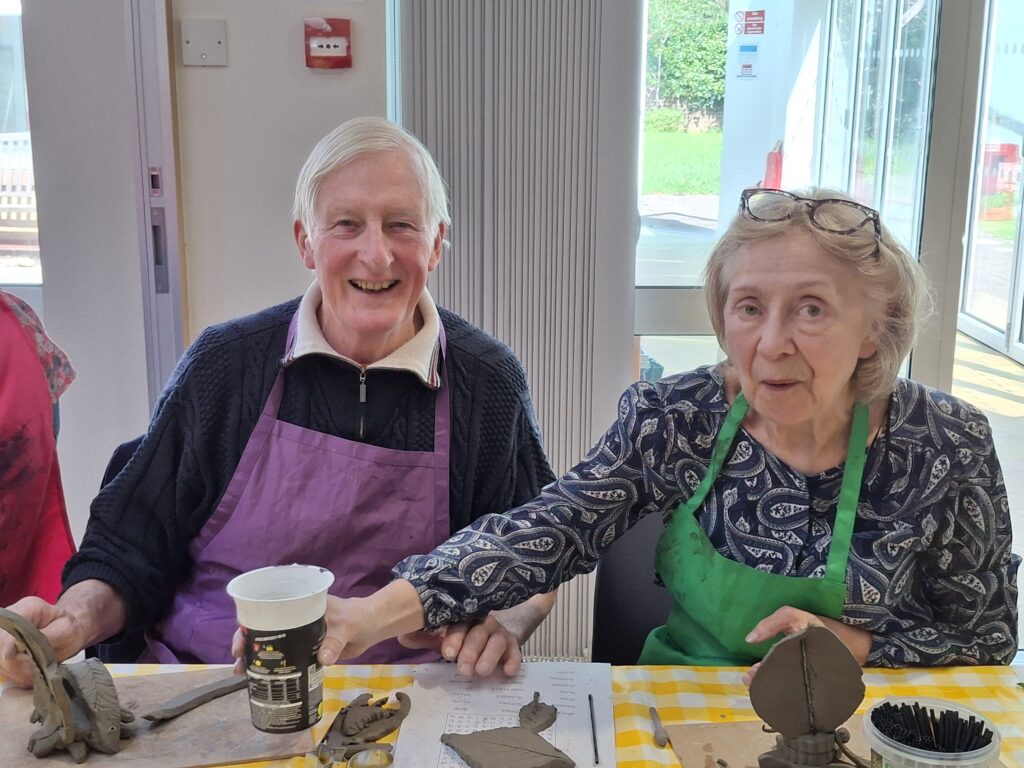
Two older adults taking part in a Create art:links ceramics workshop.
They are smiling.

building relationships and growing confidence 

In Tower Hamlets, Eileen*, who lives alone and rarely goes out, took part in six weeks of visual arts workshops led by Create artist Emily Stapleton-Jefferis. She told us about her experience on the project: 

“Coming here has been a lifeline for me since the pandemic. I can’t really do big outside trips, so I want to be here. When I wake up, I’ve got somewhere to go, and that makes a difference, You’re not sitting indoors wondering what you’re going to do.”

Through collage, painting and printmaking, Eileen discovered a confidence she hadn’t expected: 

“It felt good because I’ve never really been creative. Maybe it’s [in] here somewhere, waiting to come out! [Creativity] keeps your mind alert and gives you different ideas.

 It [relieves] stress and makes you feel good.   

eileen, art:links participant

“I like to socialise and pick up ideas from other people. I’m not [usually] good at art, but I’ve surpassed myself here and made things I really like. It’s a nice group and everybody helps each other.”

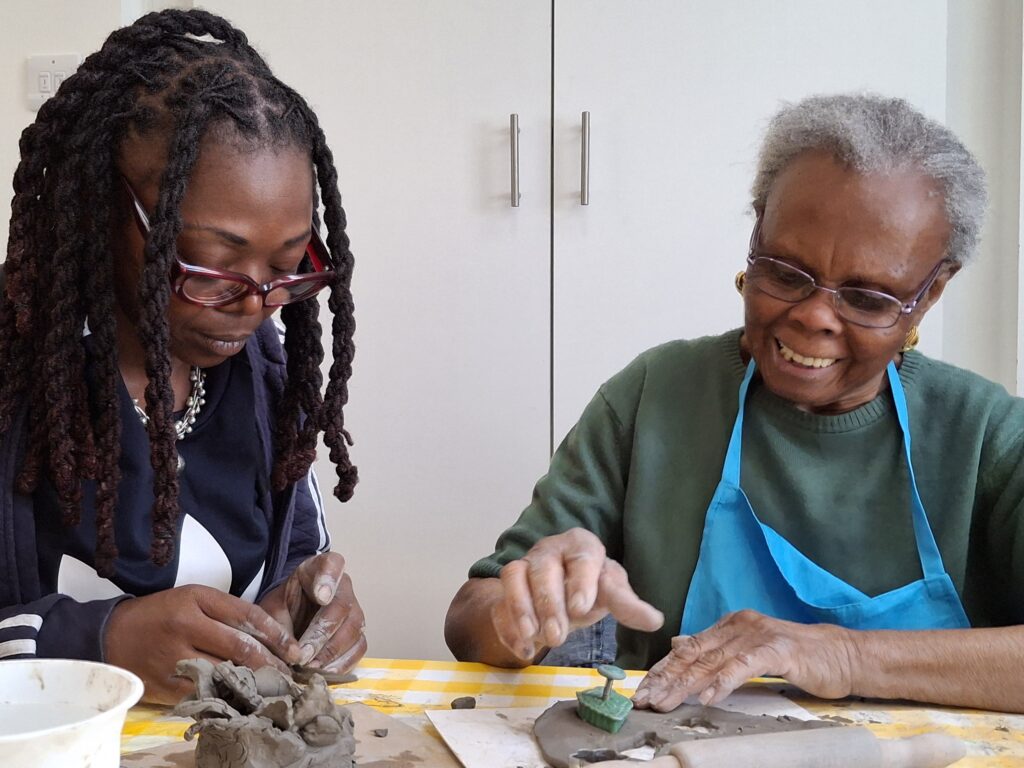
Older adults taking part in a Create ceramics workshop.

Why art:links matters 

Projects like art:links demonstrate that creativity shouldn’t be a luxury – it is a powerful tool for connection, stimulation and wellbeing. By creating welcoming, inclusive spaces where older adults can make, share and belong, art:links helps reduce isolation and reminds participants that they still have ideas, skills and stories worth sharing. 

Thank you to City Bridge Foundation, The Headley Trust and Worshipful Company of Coopers for funding these projects. 

*Names changed to protect anonymity 

DONATE TO CREATE

£
Select Payment Method
Personal Info

Credit Card Info
This is a secure SSL encrypted payment.
Billing Details

Donation Total: £25.00

Supporting migrant and refugee children and young people together through creativity 

Supporting migrant and refugee children and young people together through creativity 

community:matters is Create’s multi-artform project empowering marginalised young people in the London Borough of Brent. Launched in 2019, the programme is a partnership with three services that support: young people with learning disabilities (Brent Mencap); young migrants and refugees (Salusbury World); and young carers (Brent Gateway Partnership). Between 2016 and 2024, children made up 38% of people coming to the UK on asylum, resettlement, and family reunion routes. In 2025, 3,861 asylum applications were received from unaccompanied children. 

Migrant and refugee children in the UK often face severe and compounded challenges, including wrongful detainment, unsuitable accommodation, and extreme mental health distress. They face several barriers including accessing education, navigating language, poverty and long waits for asylum decisions.

Our community:matters programme offer a safe space where these children can relax, explore their creativity and just be children. 

We spoke with a staff member from Salusbury World, and two young people, who told us about their time on a Create project.  

the reality for migrant and refugee children 

In April 2025, Create artist Alisa Ruzavina led jewellery making workshops. The children experimented with beads and weaving, making charms for their bags. Dan, a staff member at Salusbury World spoke about the reality of life for the children they work with:  

All the participants are on free school meals, which is an indicator of relative poverty, so they’re all children who would not necessarily have access to creative workshops without [the Create projects]. It’s so good for the children to be able to access these activities.” 

ESCAPING THROUGH making  

For many people, especially children, creativity can be an escape from daily stresses. In July 2025, Mikayla and Elijah took part in a ceramics workshop led by Create artist Emily Stapleton-Jefferis.  

Elijah shared with us the importance of creative opportunities like these: 

“Normally I just lay down on my bed and watch TV. But here, we learned how to make slabs and do coiling.” 

It was good to be collaborative and work together as a team.

ELIJAH, COMMUNITY:MATTERS PARTICIPANT

Staff member Dan also noted how engaged the children were during their jewellery making workshops: 

“The activity was new to all of them, and they all really focused on it very intently. They produced a lot of stuff in a very short space of time, so I think it activated latent creativity, which is great. They really liked being able to introduce something of their own into the creative process.” 

Brightening your days with Creativity 

Creativity has the incredible power to uplift your mood, something that Elijah experienced during the project. He shared with us the positive impact creativity had on his life and overall wellbeing:

“Creativity is important because if you just do the same thing every day, then it gets boring and you’re not doing anything fun! There’s not a lot of creative things happening, so this made me very happy.” 

Mikayla echoed this sentiment, highlighting the importance of being able to create in a relaxed environment: 

“I have done creative things, but this is different because it’s more fun and not strict. You can use your own imagination.” 

As a staff member at Salusbury World, Dan has been able to see the positive impact of the Create projects across a number of years: 

“These projects are always rewarding and productive, and the children are acquiring skills. We’ve been doing Create workshops for at least seven years; they always get good sign-up and retention!”

building community by creating together 

Making art in a group setting is a powerful way to break down barriers and form connections and friendships with others. Staff member Dan experienced this first hand: 

Some of them who didn’t know each other have formed beautiful friendships over the course of the workshops.

dan, staff member at salusbury world

At Create, we see the impact of creativity on people’s lives every day. People often arrive at our projects on their own and leave with new friendships, having found common ground with others – whether as carers, young people facing similar challenges, or older adults who understand the isolation that can come in later life. Through shared creative experiences, projects become open spaces for connection, dialogue and lived experience. Participants leave not only with something they’ve made, but with a renewed sense of confidence, belonging and hope.

Thank you to John Lyon’s Charity for funding community:matters. 

*Names changed to protect anonymity 

DONATE TO CREATE

£
Select Payment Method
Personal Info

Credit Card Info
This is a secure SSL encrypted payment.
Billing Details

Donation Total: £25.00

our:stories – bringing reading to life through art and movement 

our:stories – bringing reading to life through art and movement 

As the National Year of Reading invites us to reimagine how children engage with books, our:stories shows us what’s possible when reading and writing for pleasure are explored beyond the page. Across our recent our:stories projects at The Avenue School in Brent and The Livity School in Lambeth, pupils with SEND explored stories through visual art, dance and movement. This supported their literacy, wellbeing and confidence in ways that traditional classroom approaches alone often can’t.

our:stories is Create’s programme for SEND pupils across London, using the arts to support reading and writing for pleasure and to help children develop their identities as readers and storytellers. 

A Create artist shows SEND children  a story book with pictures, to explore stories through dance on an our:stories project.

ENGAGING WITH STORIES THROUGH VISUAL ART 

Over six sessions between November and December 2025, Create artist Chloe Cooper worked with pupils at The Avenue School, using visual art to explore The Boy Who Loved Broccoli. For Marzena, a teacher and literacy lead at the school, the project offered something distinct from everyday classroom literacy: 

“The different types of stimuli were great for pupils to have the sensation of the story. We could see lots of enjoyment in the sessions.” 

Using colourful tape, paint pens and model-making, pupils acted out and reimagined the story, making connections between the written word and real-world experiences. The pace of the sessions allowed the pupils to have space to make choices, follow their curiosity and express their opinions: 

A SEND student explores reading through visual art. They sit at a table with paintbrushes and painting on top.

“[These sessions] bring a different perspective from what we are doing in class. They move at a slower pace and allow pupils to be creative and messy. Pupils can make their own choices and have their opinions. If they wanted different materials, they were offered [them], so that was great.” 

They could express themselves, so the creative arts were boosting their wellbeing.

Marzena, teacher & literacy lead at the avenue school

EXPLORING STORYTELLING THROUGH DANCE AT THE LIVITY SCHOOL 

At the Livity School in Lambeth, Create dancer Paul Smethurst led six days of dance and movement workshops, supporting students to interpret stories physically, rather than verbally. Teacher Adam reflected on how movement presented new ways for pupils to engage with reading and comprehension: 

“They’ve been reading different books, interpreting them and exploring them through dance and movement.” 

“It’s very individually tailored. Paul has been really good at getting them all involved

I think when the kids see somebody else with that sort of enthusiasm, they really take to it.

adam, teacher at the livity school

For pupils who are confident with literal answers but find abstract thinking more difficult, dance offered a route into self-expression: 

“There are many in the class who are very good at reading or answering a black-and-white question, but actually to express their own ideas is something they need a lot of encouragement to do.” 

Through movement, the students explored how characters feel, what stories suggest “between the lines”, and how different people interpret the same text in different ways – all core skills for reading comprehension and communication: 

SEND students explore reading and stories through dance. They hold ribbons and dance in a room.

“There are definitely things from the project that we’ll keep going and implement in communication sessions. From here on, there’ll be a lot of work on “how do you see this” or “how does this make you feel?” That’s the sort of communication they need to have. They need to be able to say it themselves but also understand what their peers are saying as well.” 

WHY READING FOR PLEASURE NEEDS INCLUSIVE APPROACHES 

Nationally, reading for pleasure is in decline. Recent research shows that less than a third of children say they enjoy reading, with pupils with SEND significantly less likely to engage with books independently or see themselves as “readers”. 

For many SEND pupils, traditional literacy approaches can feel inaccessible, particularly when reading is presented as a task rather than an experience. our:stories responds to this challenge by placing creativity, choice and wellbeing at the heart of reading and experiencing stories. 

A SEND student on our:stories exploring stories through visual art. The artist holds carboard cutout shoes on string, like puppets. The student is smiling.

By exploring stories through art and movement, pupils are supported to: 

  • Engage with books in ways that suit their communication styles 
  • Build emotional understanding and imagination 
  • Develop confidence as readers and storytellers 
  • Experience reading as pleasurable, social and meaningful 

As the National Year of Reading encourages schools and communities to widen access to books, our:stories demonstrates that reading should be accessible, creatively led and most importantly, for everyone. 

our:stories is funded by St Paul’s Schools Foundation [via The Mercers’ Company]. 

DONATE TO CREATE

£
Select Payment Method
Personal Info

Credit Card Info
This is a secure SSL encrypted payment.
Billing Details

Donation Total: £25.00

HOW OUR:STORIES IS REIMAGINING READING FOR PLEASURE – AND WHY IT MATTERS NOW MORE THAN EVER 

HOW OUR:STORIES IS REIMAGINING READING FOR PLEASURE – AND WHY IT MATTERS NOW MORE THAN EVER 

This year marks the National Year of Reading, the biggest campaign in a generation designed to help more people (re)discover the joy of reading and make it part of their everyday lives.  

The initiative presents a time to reflect on how and why children read, and who is being left out of the story. Reading can open new worlds but for many children with special educational needs and disabilities (SEND), those worlds remain out of reach.  

While much of the national conversation around literacy focuses on attainment and school results, there is growing recognition that how children engage with reading is just as important as whether they can do it. Reading for pleasure – or volitional reading – supports wellbeing, identity and long-term motivation. But for many SEND children, access to those experiences is still lacking. 

That’s where Create’s new programme, our:storiescomes in. Designed for children with SEND, our:stories brings our professional artists into SEND schools, enabling children to explore storytelling through creativity and play, and with a sense of agency.  

But why is this work important? To find out, we spoke to Dr Helen Hendry, a Senior Lecturer in education at Open University (OU) who is part of the ‘learning partner’ team working with of the Mercers’ Company Literacy and Oracy Special Initiative, about the broader state of research around reading for pleasure – and why programmes like ours are more important than ever. 

SEND young person with Create artist, playing a keyboard in a school setting, exploring reading and stories through music.

The decline in reading for enjoyment 

Despite the wealth of research showing the benefits of reading for pleasure – including improved vocabulary, empathy and cognitive development – recent statistics show a sharp national decline in engagement: 

  • In 2025, only 32.7% of children and young people aged 8-18 said they enjoy reading in their free time, the lowest level recorded by National Literacy Trust. 
  • Fewer than one in five (just 18.7%) read daily for pleasure. 
  • Since this data began being collected in 2005, reading enjoyment has dropped by 36%. 

“There isn’t much research on volitional reading and writing for children with SEND: not about the skills, but about wanting to read for pleasure,” Helen commented.  

A lot of the research available doesn’t give us the tools to work with children with special needs.

HELEN HENDRY

Helen explained that while there is a strong international research base indicating the many benefits of reading for pleasure – including improving vocabulary and cognitive development – few studies explore how this applies in specialist settings. 

Introducing our:stories 

Developed by Create in response to the gaps in both access and research, our:stories is a high-quality, inclusive creative programme that uses visual art, drama, dance and other artforms to explore texts and books as tools for engagement and wellbeing, not just literacy attainment. 

Artwork from our:voices project where SEND children engage with reading in new and accessible ways.

It has been specifically designed for children with SEND, who are often overlooked in traditional reading initiatives. Each projects is led by one of our professional artists and co-designed with schools. Texts are chosen collaboratively and explored creatively, allowing children to connect with stories in ways that feel accessible, meaningful and fun. 

Workshops are multi-sensory and participant-led, helping children to develop social skills, oracy, creative expression and self-esteem. Teachers attend alongside their students, gaining new tools to support literacy in the classroom long after the project ends. 

A novel approach that fills a gap 

Helen’s current research focuses on reading and writing for pleasure across a range of organisations. With funding from The Mercers’ Company, she has been analysing how different charities approach reading and writing for pleasure; and says Create’s model is distinct: 

In the research I’ve read, and undertaken, I haven’t seen any other projects that combine creatives, children with SEND and reading and writing for pleasure in this way.

HELEN HENDRY

Helen also emphasised the importance of working in a way that is responsive and flexible: 

It’s important for those working with children to understand what research tells us about practices that support them to want to read and write, and to implement these based on the needs of the children or young people. There are a lot of nuances.” 

why it matters now 

As the National Year of Reading gathers momentum, our:stories shows how creative approaches can foster a love of stories and storytelling, particularly among children who face additional barriers. Children with SEND are more likely to experience exclusion from traditional classroom environments, where there is often limited space for agency, play and creative exploration. our:stories responds directly to this gap, creating workshops that are shaped by children’s interests and communication styles, and allowing reading and writing to be experienced as something joyful, expressive and collaborative.  

Artwork from our:voices project where SEND children engage with reading in new and accessible ways.

Reflecting on her observations of our:stories, Helen explained: 

“In our:stories, really listening to what children are communicating can be watching how they respond. The facilitator artist flexed the session to flow with what the children were interested in, giving them agency and choice over what was happening. This isn’t something that can always happen in traditional school activities, due to curriculums and wider targets.” 

This responsiveness sits at the heart of our:stories. By prioritising enjoyment and creative interpretation, the programme offers SEND children the opportunity to build confidence, develop a positive relationship with reading and writing, and see themselves as storytellers. 

our:stories is funded by St Paul’s Schools Foundation [via The Mercers’ Company]. 

With thanks to Helen Hendry for offering her expertise and insights. 

You can read more about The Open University’s previous reading and writing for pleasure research for The Mercer’s Company here

DONATE TO CREATE

£
Select Payment Method
Personal Info

Credit Card Info
This is a secure SSL encrypted payment.
Billing Details

Donation Total: £25.00

JOY, BELONGING AND A BREAK FROM RESPONSIBILITY: WHAT CREATIVITY MEANS FOR YOUNG PEOPLE 

JOY, BELONGING AND A BREAK FROM RESPONSIBILITY: WHAT CREATIVITY MEANS FOR YOUNG PEOPLE 

For many young people, the festive period isn’t just sparkle and celebration. Children in care, disabled young people and young carers often face additional pressures, from feelings of isolation to daily responsibilities far beyond their years.

At a time of year that celebrates family and joy, it can be easy to forget that not all children get the chance simply to be children. That’s why creative opportunities matter – not just at Christmas, but all year round.  

Thanks to our supporters, we’re able to deliver high-quality creative programmes that offer marginalised children the freedom to explore, express and connect. In 2025, our programmes have supported nearly 1,000 children across the UK. Below, three participants reflect on what that experience has meant to them. 

Feathers and fabric layered aroud flowers in the grass.

Confidence and connection for care-experienced young people 

Emily* (16) took part in music workshops in Bolton through our:voices, a Create programme with children in care and care leavers. Working with our professional musician Matt Dunn, the group composed original music, played covers and built confidence together: 

“I feel great. A lot more confident. Everyone’s very kind and we work well together. The project is really refreshing and it gets you out of the house. I feel brighter. [Being creative] is important because it really lets you open up as a person and you can become more positive.” 

Having been in care for eight years, Emily shared how the project gave her a chance to connect with others who understand: 

“Sometimes when you’re in care you can struggle to make friends because you can feel a bit down.” 

“But [in projects like these] you meet other people” in your situation and you have a fun time with them.”

EMILY, OUR:VOICES participant

CREATIVE FREEDOM FOR YOUNG CARERS 

Evelyn* (13) cares for her younger sister who has autism, a constant responsibility that leaves limited time for herself. Over three days in April 2025, our musician Filipe Sousa delivered inspired:arts music workshops with young carers at Bromley Well Young Carers Centre. Through the project, Evelyn had the chance to step away from those responsibilities and focus on creativity:

“We’ve made lots of songs and discovered different ways to make them. I’ve liked playing guitar and bass because they’re [my favourites] and working in a group to create an actual piece has been really enjoyable. 

Young carers playing guitars and ukuleles as part of an inspired:arts music workshop.

Evelyn also reflected on the difficulties of being a young carer: 

“Sometimes I have to be really careful what I say around [my sister] and I have to help her if she has a meltdown, especially if we’re not with our parents. I have to keep an extra eye out for her, especially because she’s younger than me. I always have her on my mind thinking, ‘is she okay?’ 

“Lots of young carers may not get the opportunity to do stuff like this.” 

“These projects give them a chance to have something to focus on and they don’t have to worry about who they care for.”

EVELYN, INSPIRED:aRTS PARTICIPANT

Exploring expression for disabled young people 

Jay* (25) took part in our community:matters programme at Brent Mencap, which supports disabled young people through inclusive, participant-led creative workshops. The programme empowers participants to build social and communication skills in safe, joyful environments. 

Young people with disabilities taking part in a dance workshop as part of our community:matters programme.

During the project, Jay joined a three-day dance and visual storytelling workshop led by our professional dancer, Paul Smethhurst: 

We did the tent dance. And then we did some drawing [of our own islands]. I drew the beach. [I was] making textures and going to new places.” 

For Jay, the opportunity to be part of a creative team helped build connection and confidence: 

It made me feel happy and excited.

jay, community:matters PARTICIPANT

“It warmed up the body and made me feel full of energy. I enjoyed working in a team and meeting new people and seeing old friends. It makes me feel welcome.” 

Why it matters – and how you can help 

Creative arts offer young people the chance to express themselves, explore new ideas and build community. For those facing additional challenges – such as the responsibility of being a carer, the instability of the care system, or the exclusion that can come with disability – these opportunities can be life-changing. 

This Christmas, you can help bring joy, confidence and connection to those who need it most. 

Give the gift of creativity – not just for the holidays, but all year round. 

Donate now to our Christmas campaign.  

Thank you to John Lyon’s Charity and The National Lottery Community Fund for funding these projects. 

*Names changed to protect anonymity. 

DONATE TO CREATE

£
Select Payment Method
Personal Info

Credit Card Info
This is a secure SSL encrypted payment.
Billing Details

Donation Total: £25.00

GIVING THE GIFT OF CREATIVITY: SUPPORTING ADULT CARERS AND ISOLATED OLDER ADULTS This CHRISTMAS

GIVING THE GIFT OF CREATIVITY: SUPPORTING ADULT CARERS AND ISOLATED OLDER ADULTS This CHRISTMAS

For many people, Christmas is a time of connection, joy and celebration. But for adult carers and isolated older people, the festive season can be a stark reminder of the challenges they face every day. 

At Create, we believe in the power of the creative arts to build confidence, ease isolation and provide moments of light in difficult times. Through our creative:voices and art:links programmes, we’re working year-round to bring creativity and connection to those who need it most. 

We spoke to Jenn (78), an adult carer who took part in creative:voices, and Myrium (60+), an art:links participant, about the impact these projects had on them. 

This Christmas, your support can help us reach even more people like Jenn and Myrium, giving them the gift of creativity – and a chance to feel seen, valued and heard. 

Rediscovering Confidence and Joy Through Writing 

Jenn, 78, recently took part in creative:voices, our national programme with adult carers. She attended a six-week creative writing project with Greenwich Carers, led by our professional writer Henry Maddicott. Living with chronic health conditions and caring for others, Jenn described how the years of responsibility had dimmed the spark of her creativity: 

“Being a carer, you lose yourself. A greater part of you isn’t there anymore.”  

Older adults taking part in a creative writing art:links project.

Despite initial hesitation, Jenn found herself enjoying the freedom and lightness of creative writing: 

I wouldn’t have necessarily chosen creative writing for myself, but I thought I’d dip my toes in the water. I came along and found the experience very freeing and non-judgmental. All of my [previous] writing has been under exam rules and bit solemn. This was lighter and the pace of the facilitation was brilliant. 

“Some of my mischief is coming back!” 

Jenn , CREATIVE:VOICES participant

New beginnings, new connections 

In Havering, Myrium* joined art:links, our creative programme for isolated older adults, for a creative writing project led by our writer Justin Coe. After recently relocating and feeling unsure about how to connect with others in a new area, the project was a space for Myrium to feel like part of a community: 

“I’m new to living in Havering and I heard about Di’s Diamonds. I’ve only just joined, and I’ve not been on a creative writing course before, so this was something brand new to me. We were put at ease, and it could all be seen as fun, with no judgement. 

“[The project] has felt very caring and nurturing. It has been a great opportunity to meet new people.” 

Myrium, ART:LINKS PARTICIPANT

For Myrium, the workshops became more than a creative outlet: they were a space for empathy, healing and laughter. Each session offered a gentle invitation to share, reflect and be present. 

“[Being creative] has felt like something that was missing for me in my life. Once I got to a certain age, I thought “maybe it’s too late [to be creative]”. But it’s great to get out there and encourage people who think they can’t do it. 

“Slowing down and saying ‘I’m just going to give my interpretation’ [through writing] has been good. Acceptance is important for mental health. Different exercises brought up different things for people. It could be quite emotional, but I felt that Justin was looking out for us. It’s given me the freedom just to go with myself and what I feel, what’s coming up at that time. “ 

Adult carers taking part in a creative:voices creative writing project.

“I want to reassure anyone who thinks they can’t do it: allow yourself to [do it] and you will feel encouraged and safe.” 

” I think we will be good friends.”

MOLLY, INSPIRED:ARTS PARTICIPANT

The reality of Christmas for many 

While many people look forward to festive joy, Christmas can be one of the most difficult times of year for carers and isolated older adults. One in 10 people in England are unpaid carers, many of whom don’t get time off over the holidays: 77% of carers say they feel more isolated during the festive season. Meanwhile, nearly one million older people in the UK often feel lonely and 670,000 won’t speak to or see anyone on Christmas Day. 

For people facing these realities, the connections and confidence our projects create can have a lasting impact. For isolated older adults and unpaid carers like Jenn and Myrium, discovering a creative outlet can be transformative, opening up new passions, friendships and communities that continue beyond the project. 

For those who may face isolation, exhaustion or grief during the festive season, having people to turn to and creative practices to lean on can make all the difference. 

Work created by adult carers in a creative writing creative:voices project.

This Christmas, you can help bring joy, confidence and connection to those who need it most. 

Give the gift of creativity – not just for the holidays, but all year round. 

Donate now to our Christmas campaign.  

Thank you to City Bridge Foundation, the Johnston Nijman Foundation and White Stuff for funding these projects. 

*Names changed to protect anonymity. 

DONATE TO CREATE

£
Select Payment Method
Personal Info

Credit Card Info
This is a secure SSL encrypted payment.
Billing Details

Donation Total: £25.00